How to Layer Textures in a Living Room Without It Looking Cluttered
Four textures is the real ceiling, not five or six. Here is the rule I actually use to mix wool, linen, stone and wood without the room tipping into busy.
Written by Vestados Editorial · 26 August 2026
I redid my own living room three times last winter chasing texture without knowing that was the word for it. Too flat, then too busy, then finally right. The problem was never how many things I owned, it was that I kept adding textures without picking which one was allowed to win. Once I set a hard limit and gave one material the lead, the room stopped looking like a mood board and started looking like a place I actually wanted to sit.
Four textures is the ceiling, not the target
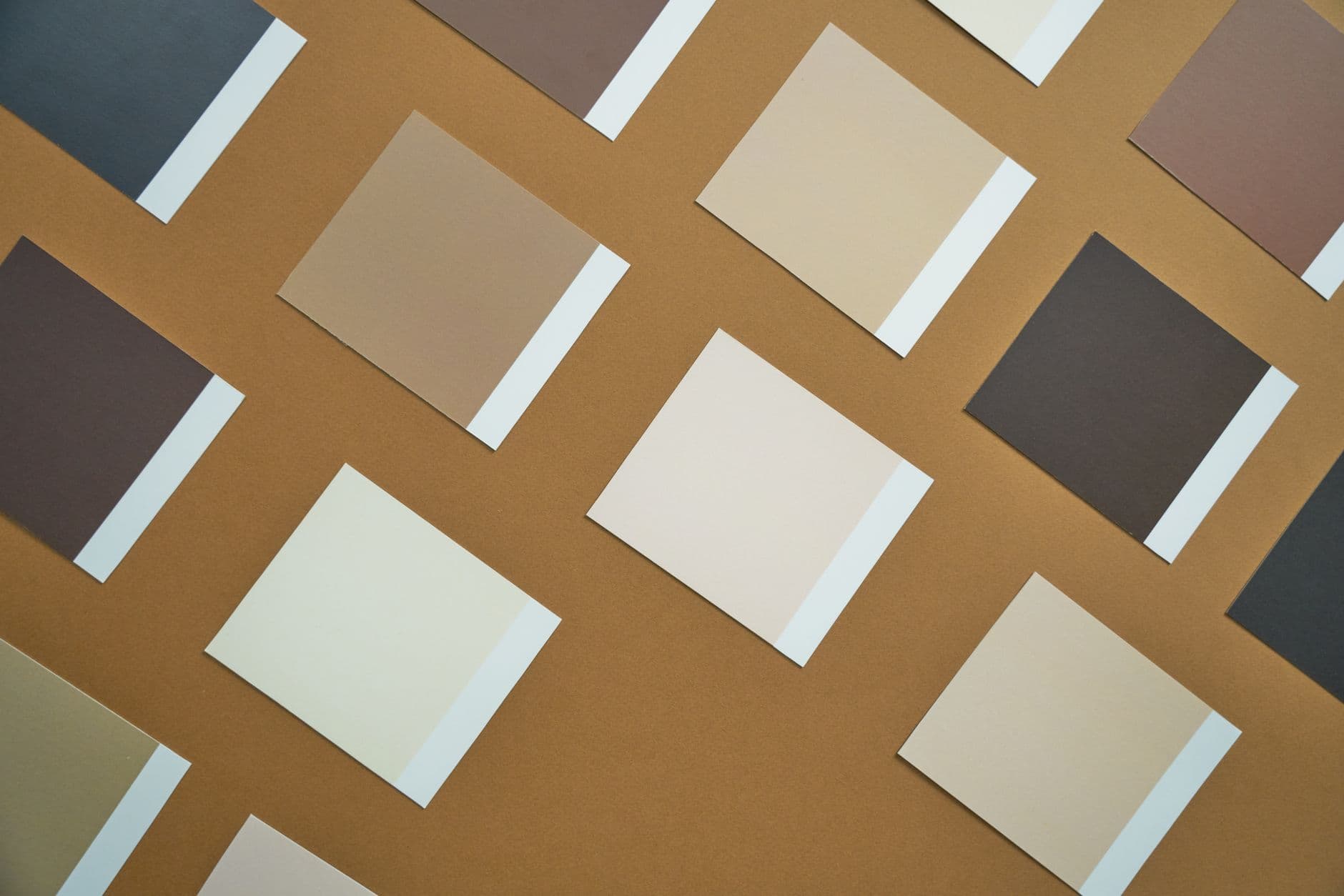
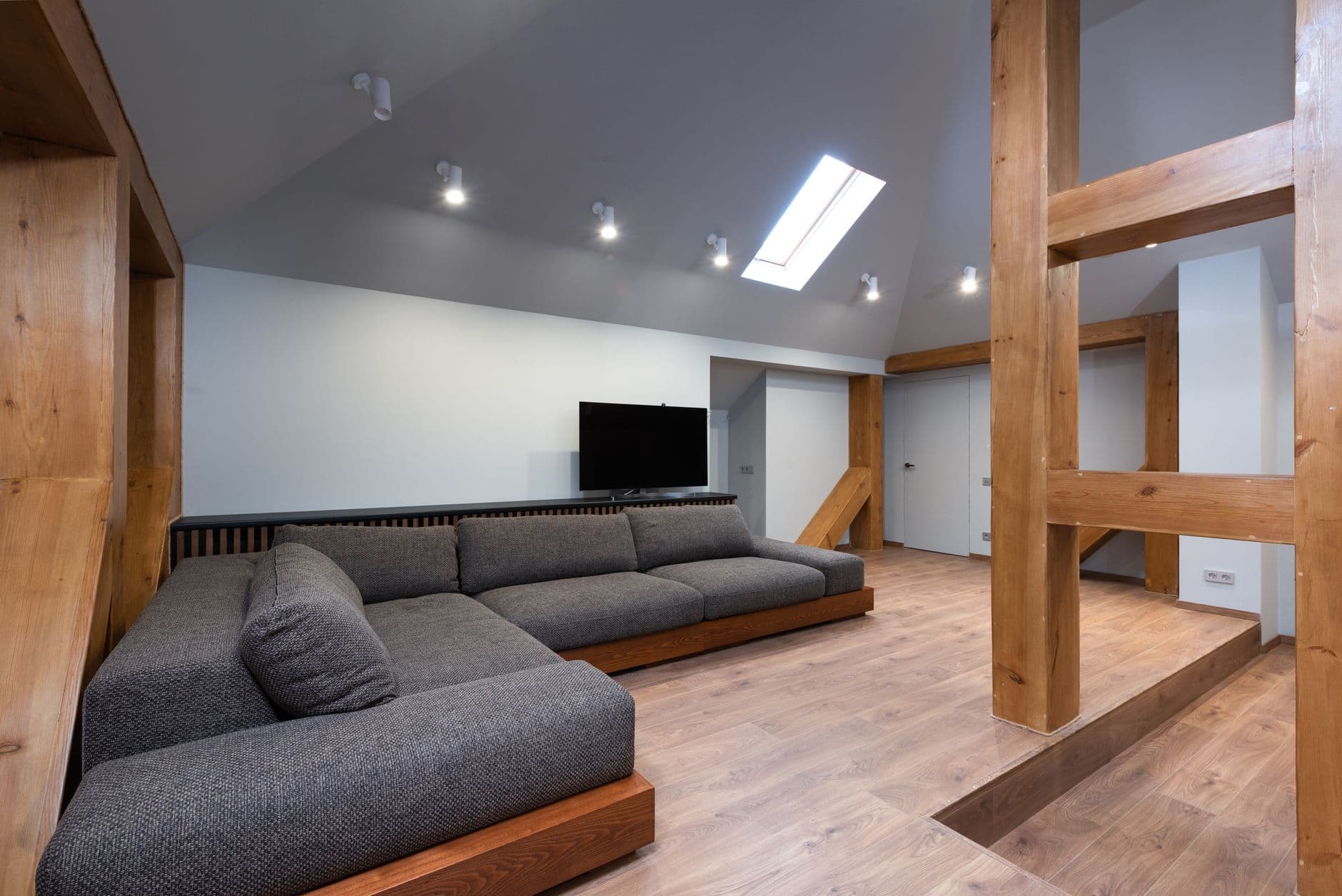
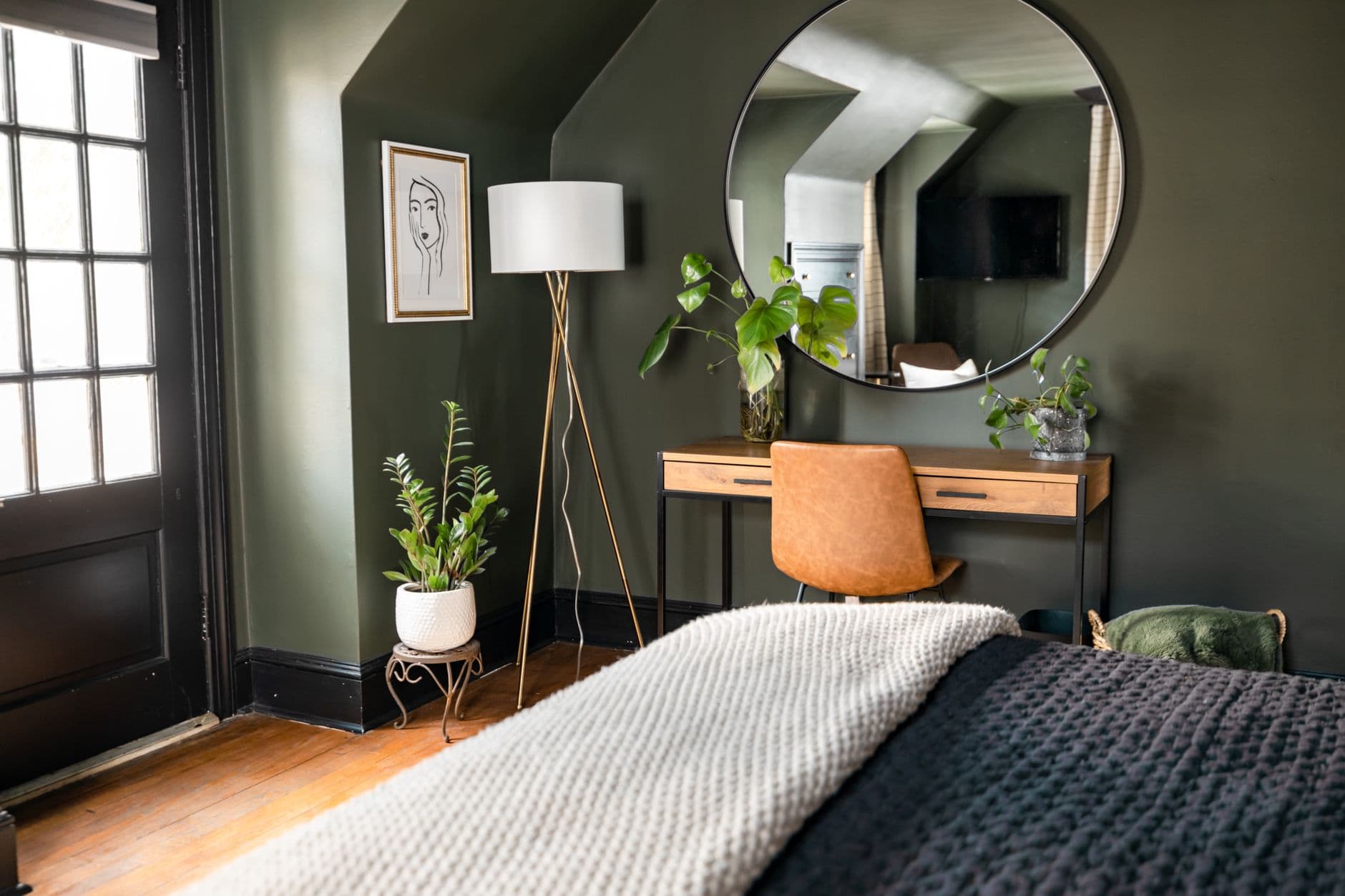
Every texture guide I have read tells you to mix materials and stops there, which is how rooms end up with a boucle chair, a jute rug, a chunky throw, a rattan lamp, a linen sofa and a woven basket all competing at once. I limit myself to four: wool, linen, stone, wood. That is it. Once you hit four, the next texture you want to add has to replace one already in the room, not sit on top of it.
Pick one texture to lead before you add anything else
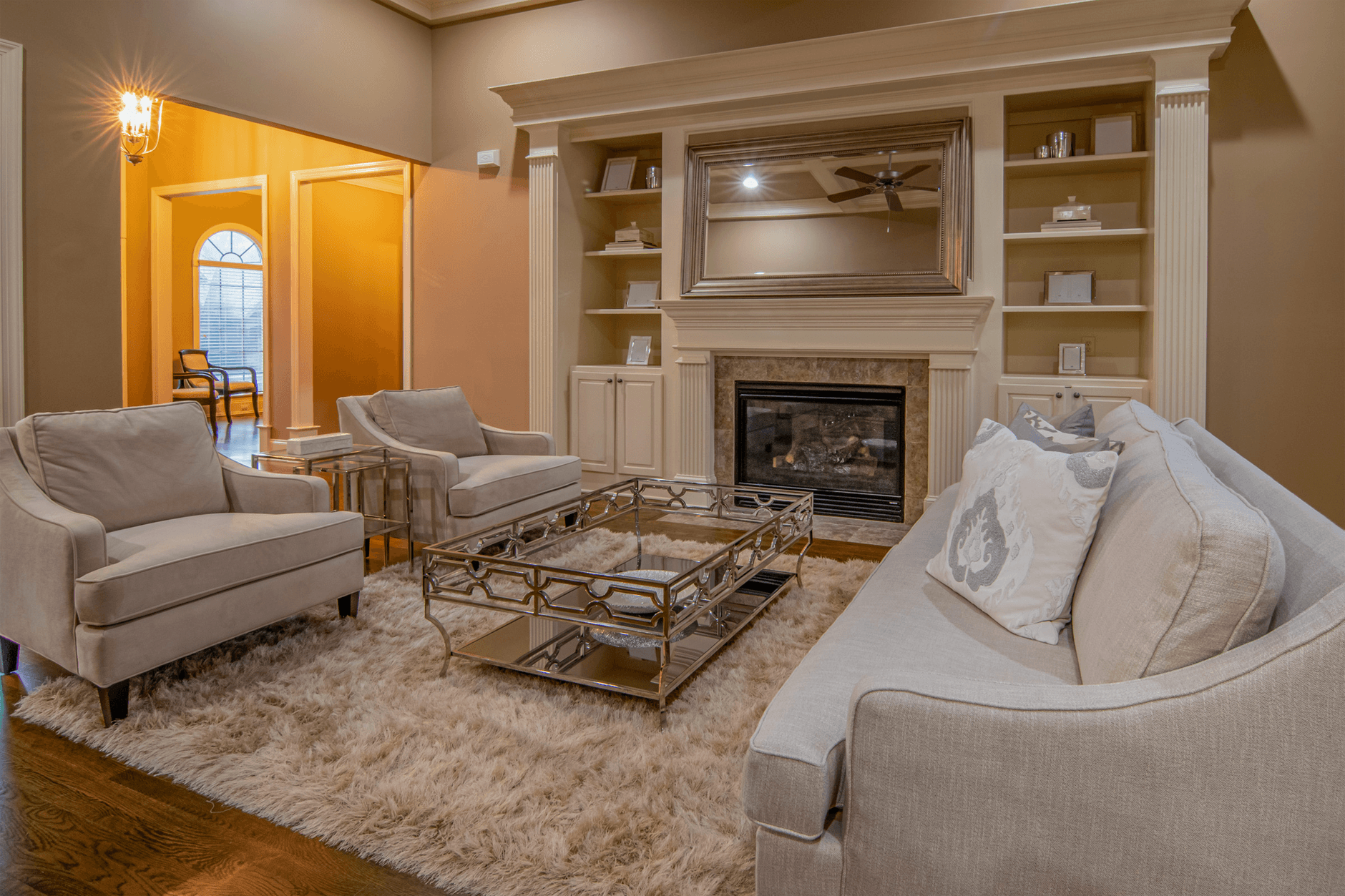
In my living room, wool leads. The sofa upholstery, the throw, the cushion covers, all wool or a wool blend. Everything else supports it rather than competing with it. Linen shows up once, in the curtains. Stone shows up once, in the coffee table base. Wood is the floor and does not need to repeat anywhere else. Decide the lead material first and every other texture decision gets easier, because you are filling in around one choice instead of balancing four at once.
The rug carries more texture weight than anything else in the room
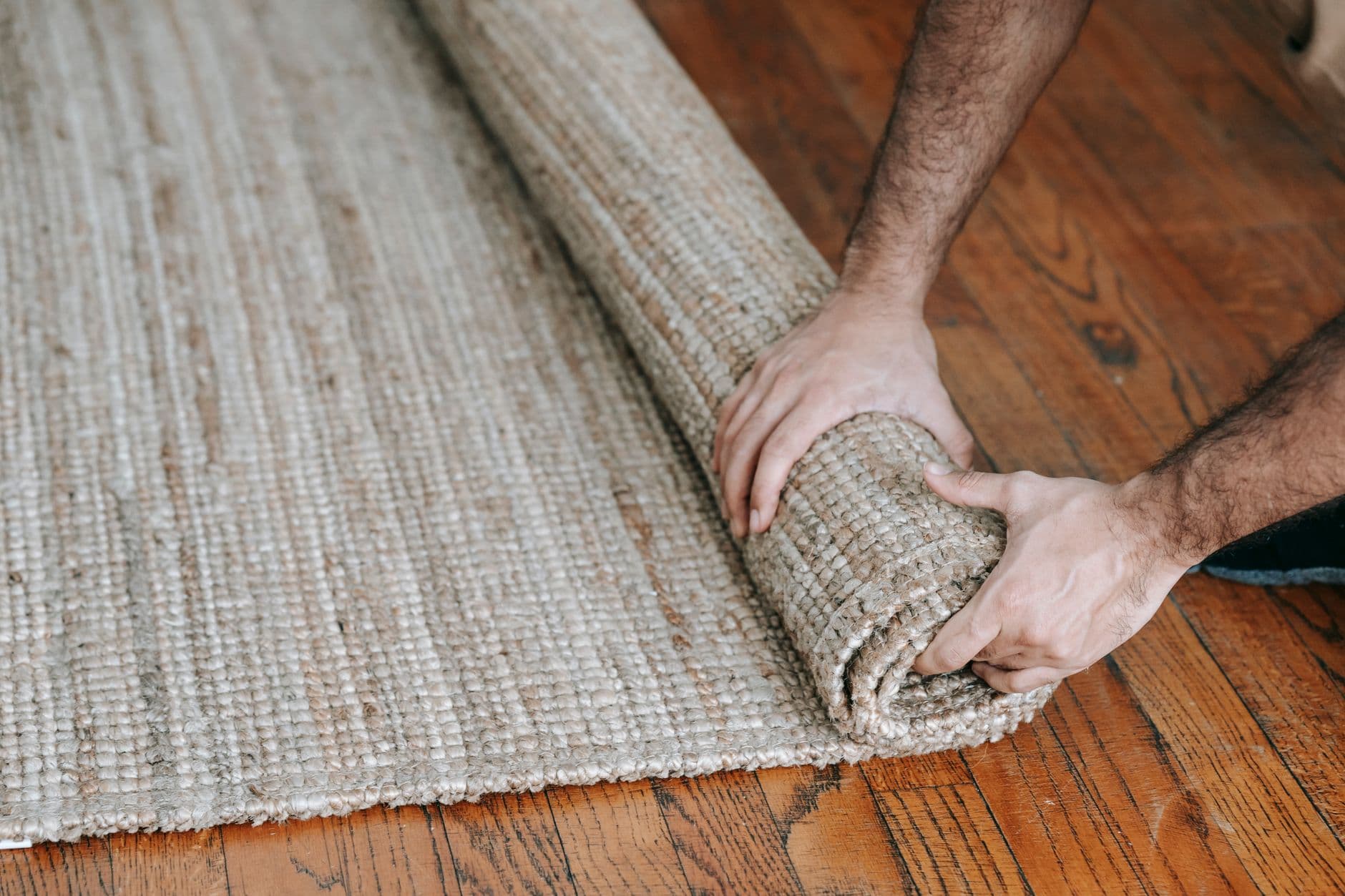
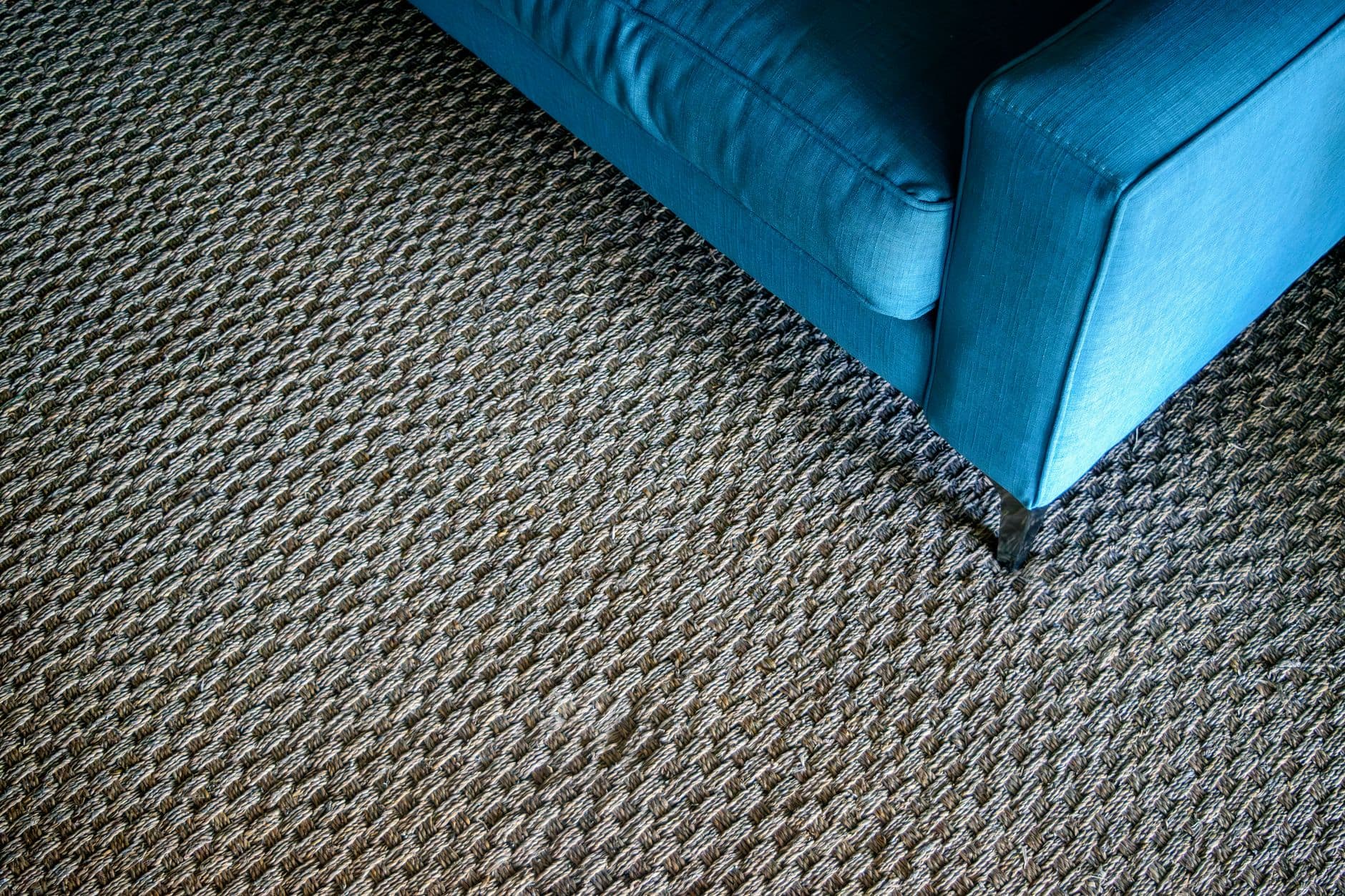
If I had to keep only one textured object, it would be the rug, because it covers the most square footage and sits under everything else you own. A flat weave rug reads as calm and lets other textures stand out. A deep pile wool rug becomes the texture statement on its own and everything else in the room should go quieter to make room for it. I wrote a full breakdown of how to pick one in how to choose a rug, but the short version for this rule is: decide if the rug is your lead texture or a supporting one before you shop, because that changes which pile height you want.
Smooth surfaces are what stop the room from tipping into busy
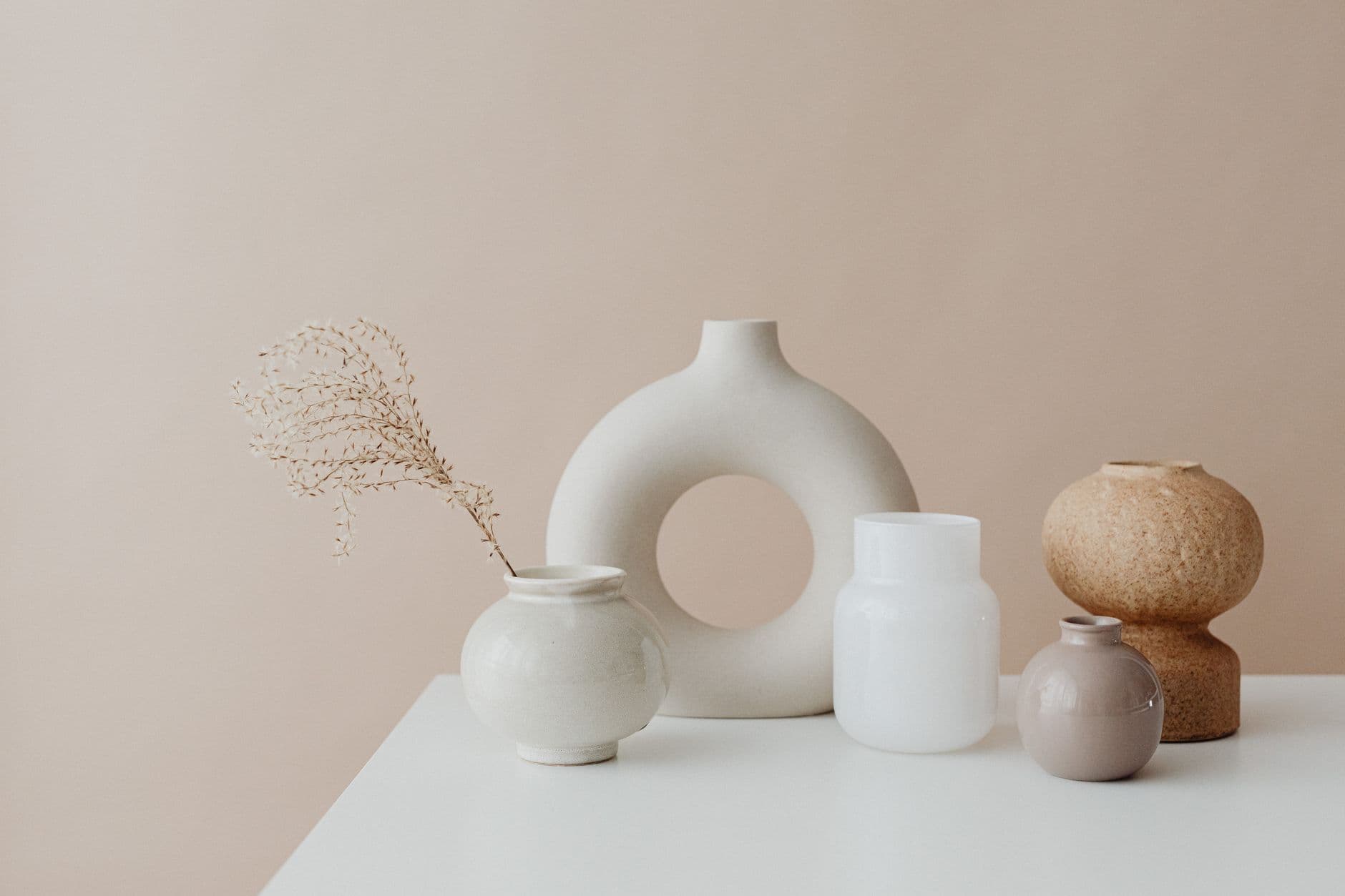
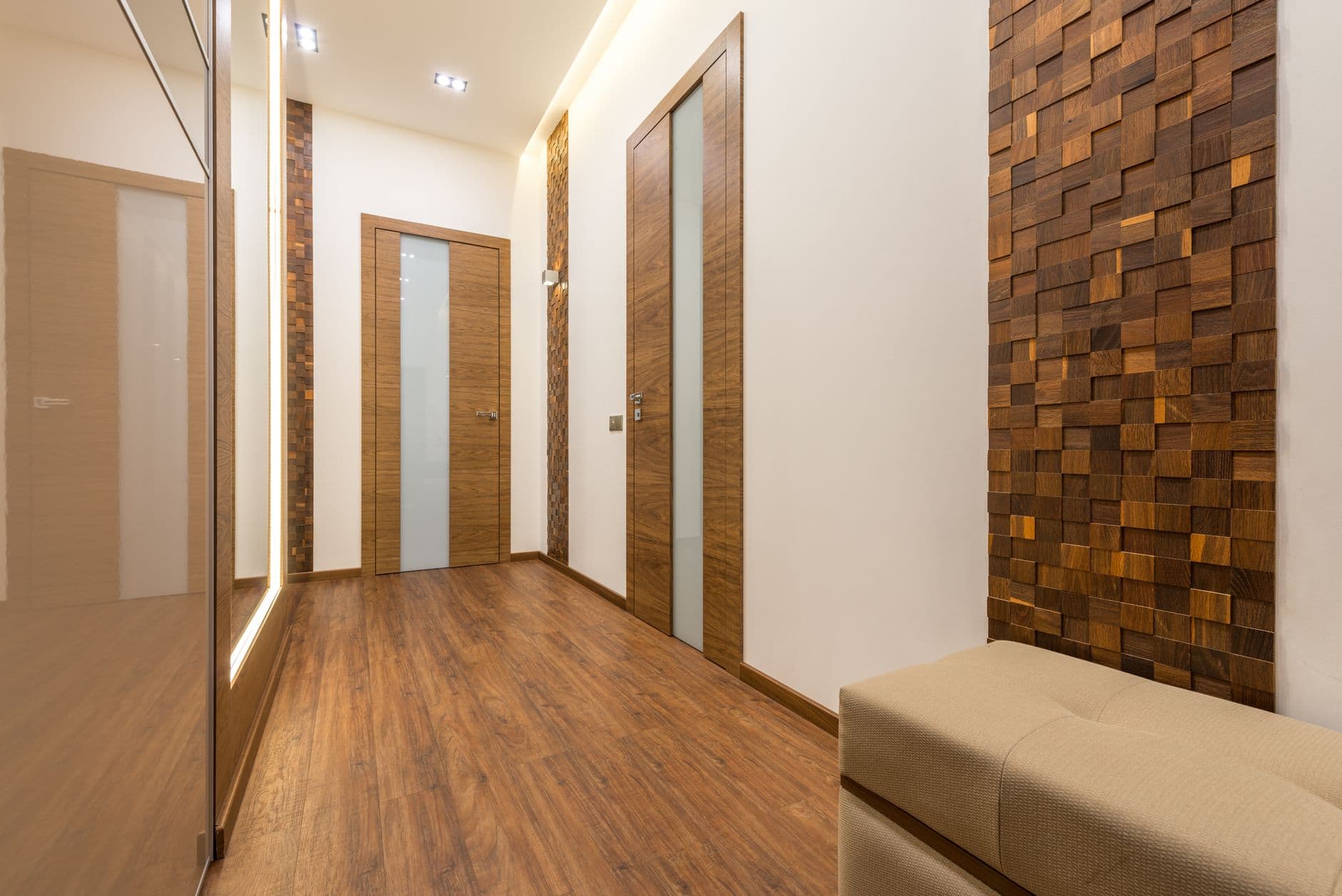
Every textured room needs somewhere for the eye to rest, and that is the job of smooth surfaces: a stone tabletop, a ceramic vase, glass, plaster walls. I built my own room around a warm neutral palette for exactly this reason, the flat wall color gives the eye a break between the textured furniture. The same logic is why fluted wood and reeded glass work so well as accents right now: they add pattern without adding actual texture, so you get visual interest without spending one of your four material slots.
The mistakes that turn layered into messy
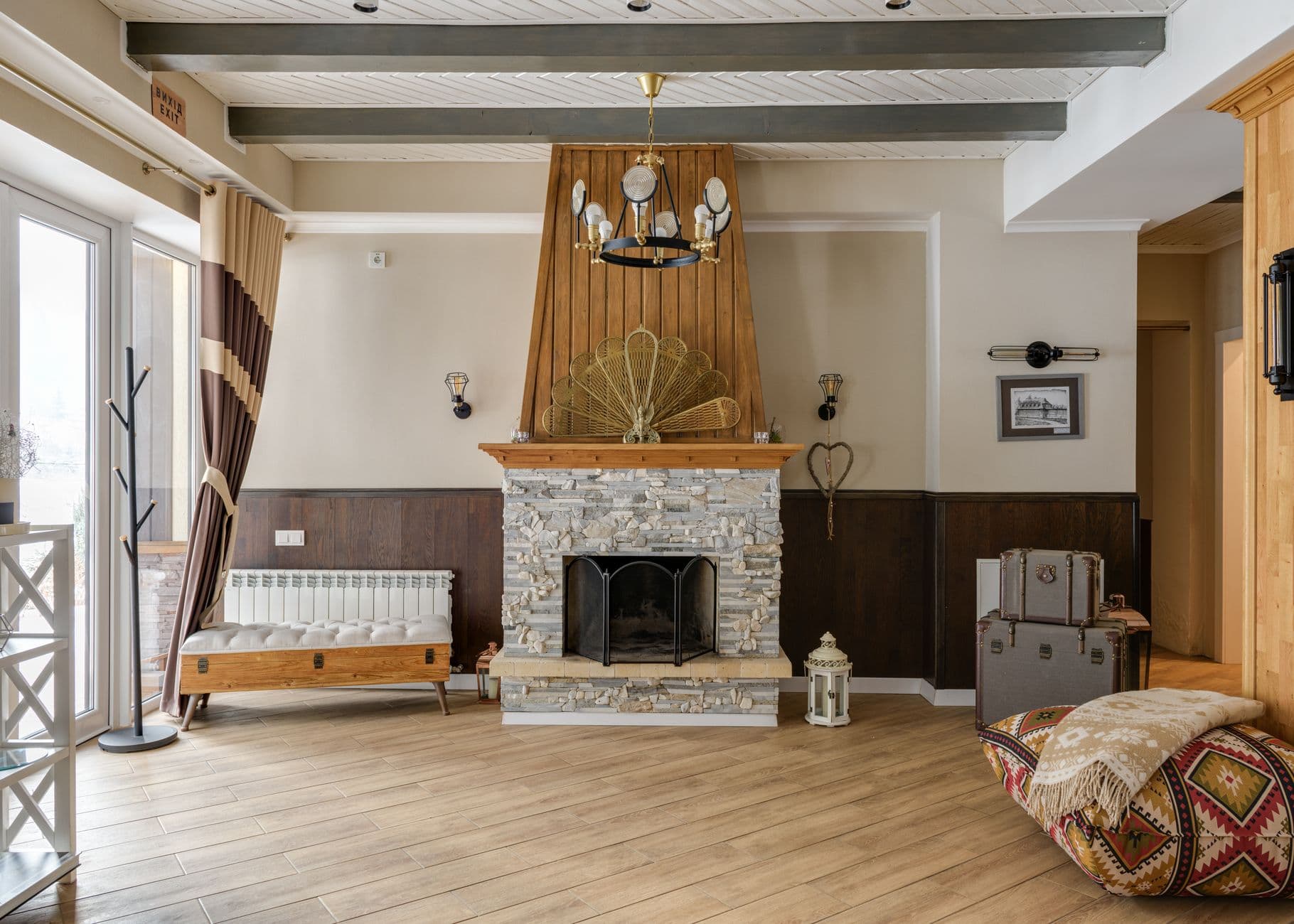
Matching everything in the same texture is the first mistake, it goes flat instead of layered. Adding a fifth or sixth texture because a piece is beautiful on its own is the second, and it is the one I made twice before learning to say no in the shop. The third is scale: two small textured objects next to each other read as clutter, while one large textured surface next to one smooth one looks like a choice you made on purpose. If a room still feels off after you have limited yourself to four textures, the fix is almost always to make the pieces you kept bigger, not to add a fifth.