How to Choose a Rug That Anchors the Room
The rug is what pulls a room together or leaves it floating. Here are the practical rules for size, fibre, pattern and colour that actually make a space feel settled.
Written by Vestados Editorial · 2 July 2026
Affiliate disclosure: some links earn us a commission if you buy something, at no extra cost to you.
A rug is the one thing in a room that touches almost everything: the sofa, the chairs, the floor, your feet in the morning. Get it right and the whole space feels intentional and calm. Get it wrong, usually too small, and everything looks like it is drifting on a hard floor with no relationship to anything else. The good news is that anchoring a room is not about spending the most or finding the boldest pattern. It comes down to a handful of practical decisions: the right size, a fibre that wears well, restraint with pattern, and a colour that grounds the space rather than competing for attention. Here is how to make each of those calls.
Size to the seating, not the room
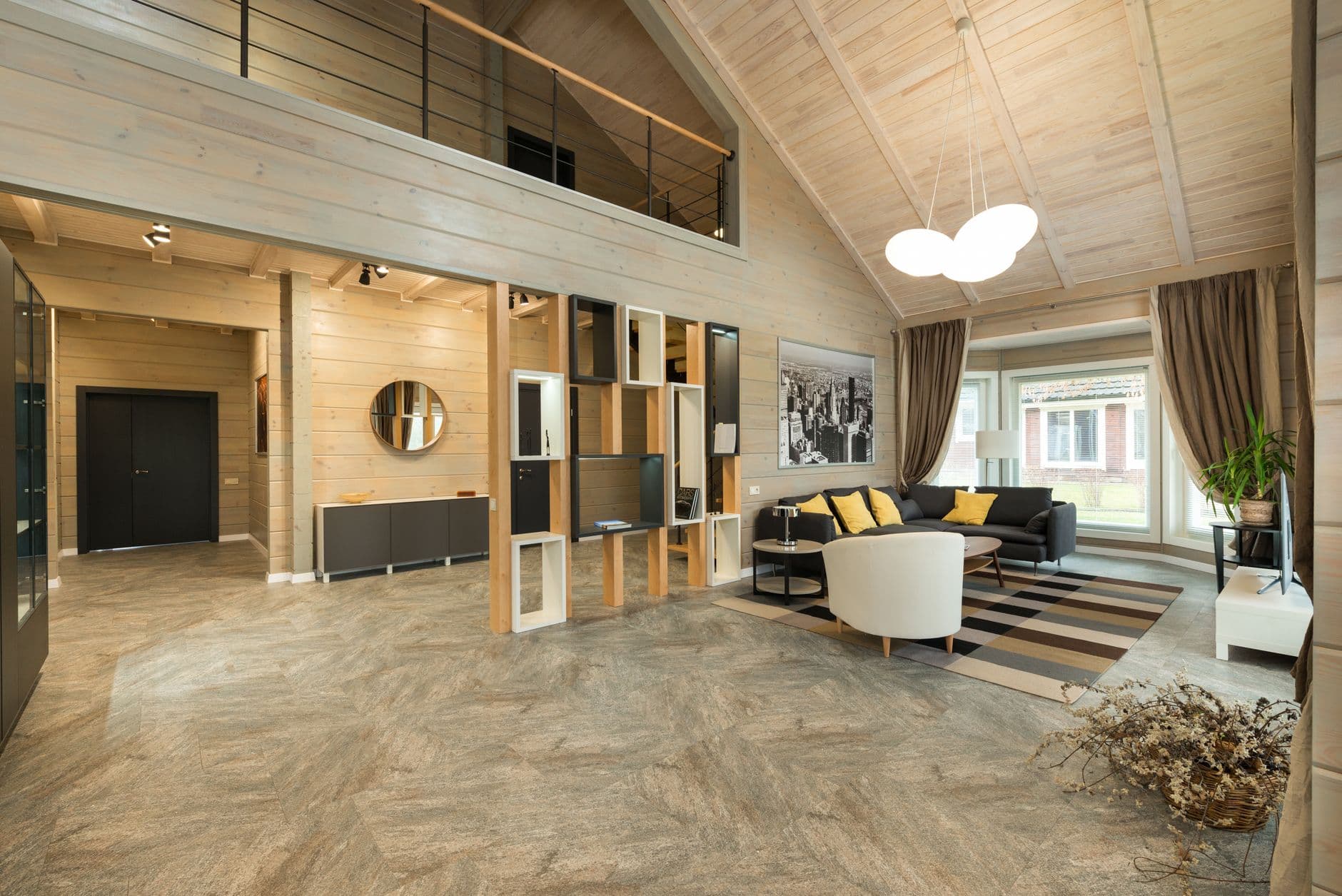
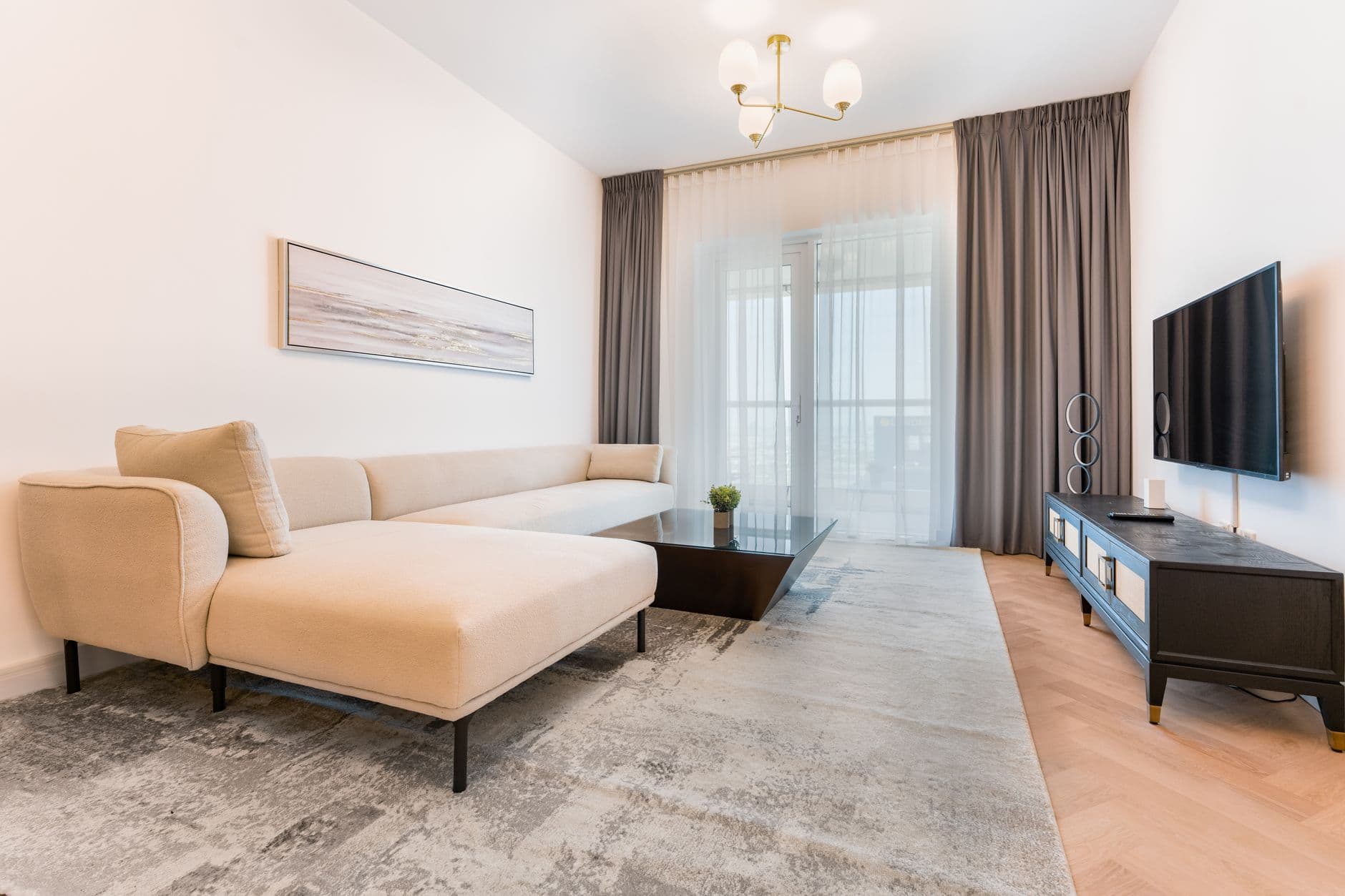
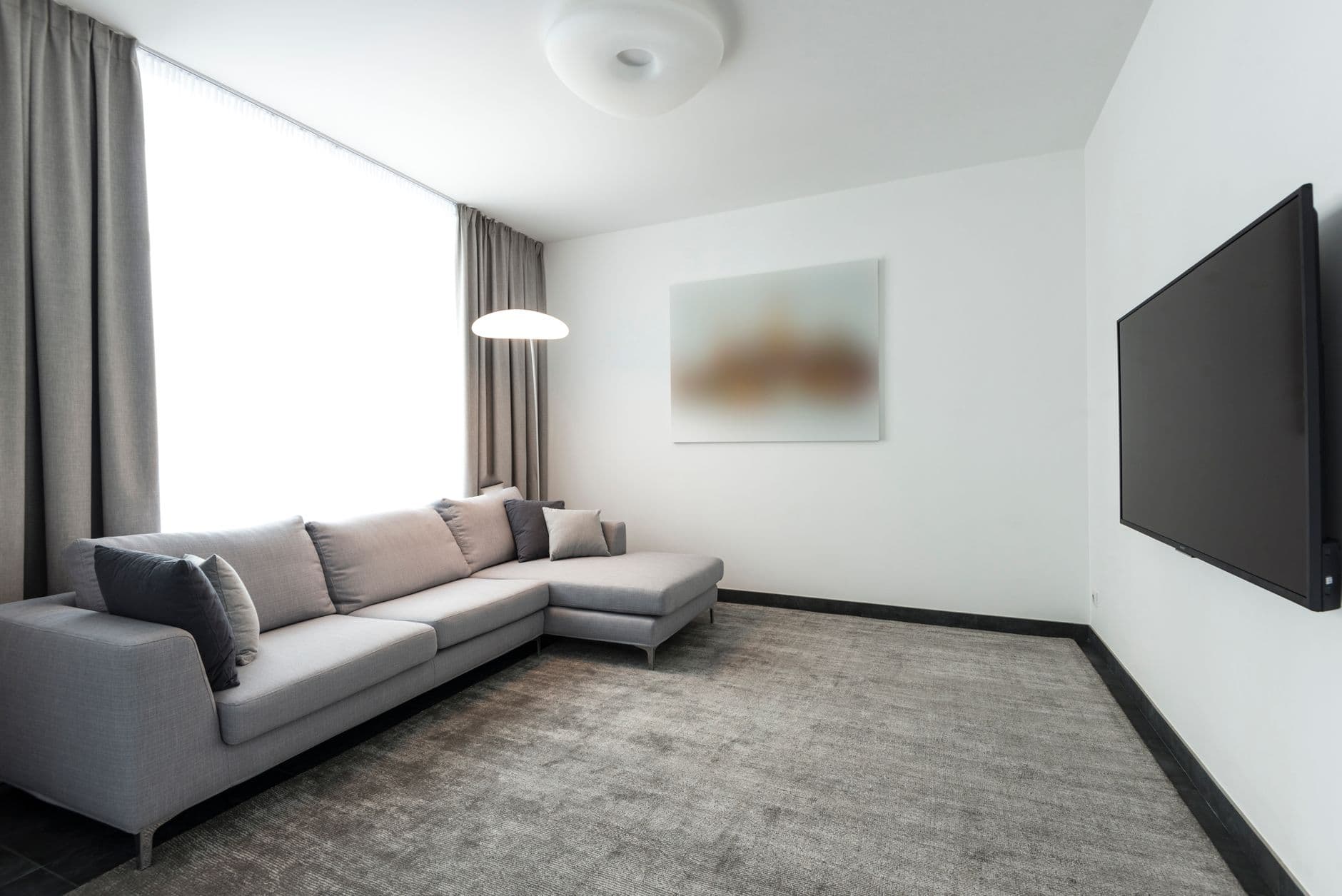
The most common mistake is buying for the floor space you want to cover instead of the furniture that sits on it. The rule that never fails: get at least the front legs of every seating piece onto the rug. That single move ties the sofa and chairs into one group and reads as deliberate. Better still, if the room allows, float the whole arrangement on top with a border of floor showing evenly around it. What you want to avoid is the postage stamp: a small rug marooned in the middle with all the furniture standing off it on bare floor. When in doubt, size up. A rug that runs a little large looks generous, while one that runs small makes the whole room feel undersized.
Wool and natural fibres wear best
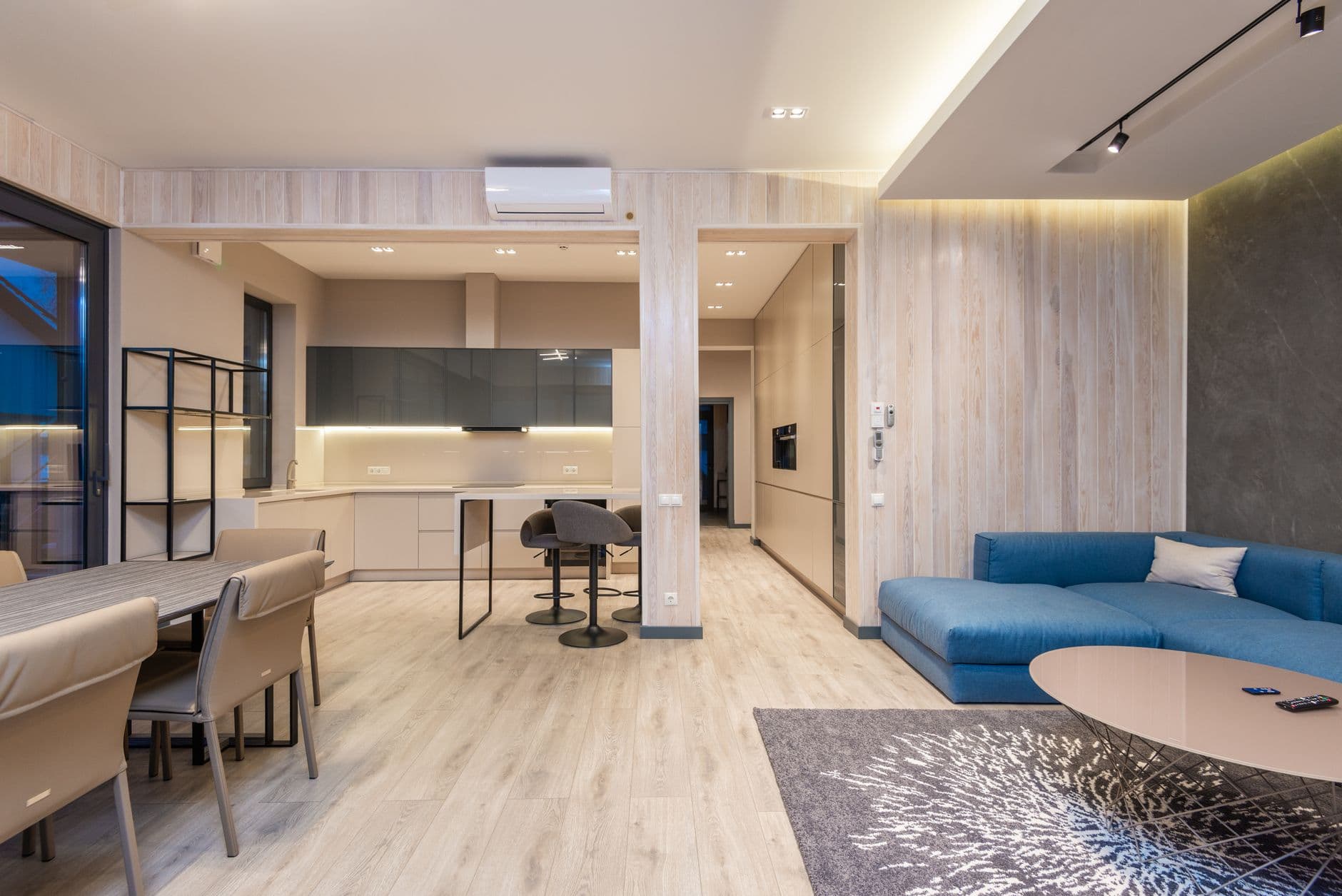
Fibre is where a rug earns its keep over the years. Wool is the quiet workhorse: it is naturally springy so it bounces back under furniture, it resists dirt and stains far better than you would expect, and it simply looks richer underfoot. It ages into a room rather than wearing out of it. Flatweaves and natural fibres like jute or sisal bring lovely texture and honesty, though they are firmer and less forgiving to sit on. Synthetics can look convincing in the shop, but they flatten, they shine under light in a way wool never does, and they hold odours. If you buy one good rug and keep it for a decade, make it wool. It is the difference between something you replace and something you live with.
Keep the pattern quiet
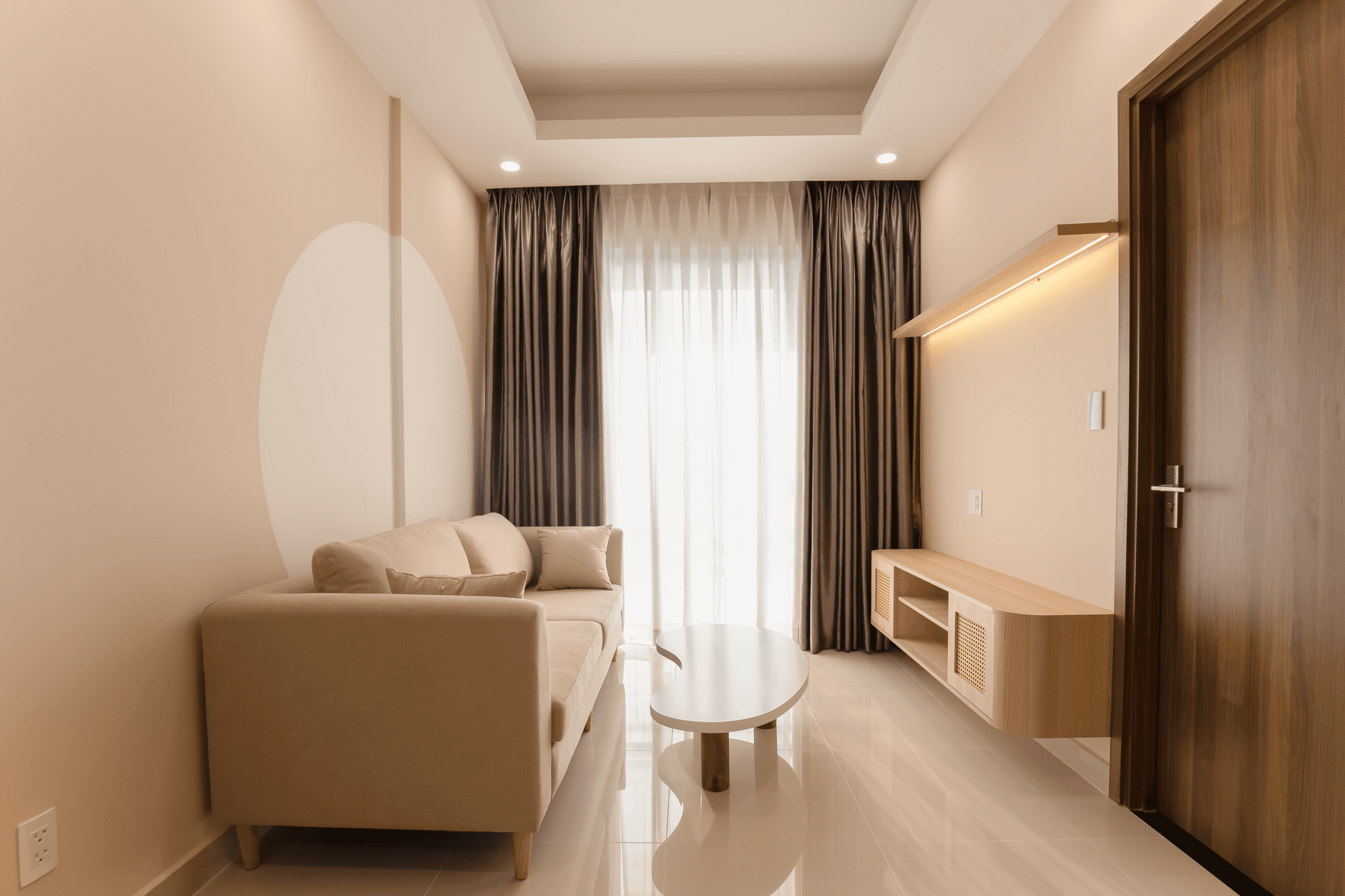
Pattern is where rooms go loud fast. In a warm, minimal space the rug should mostly work as texture and tone rather than as a graphic statement. That means favouring subtle moves: a soft tonal stripe, a gentle geometric, a low-contrast weave, or the natural variation of an undyed wool. The test is simple. If the rug is the first thing your eye jumps to when you walk in, it is probably too busy for the room. A restrained rug lets the furniture, the light and the materials do the talking, and it also ages better because it is not tied to a trend. Save the bold, high-contrast pieces for small spaces like an entry or a study, where a single strong note can carry the whole floor.
Under the dining table, go bigger than you think
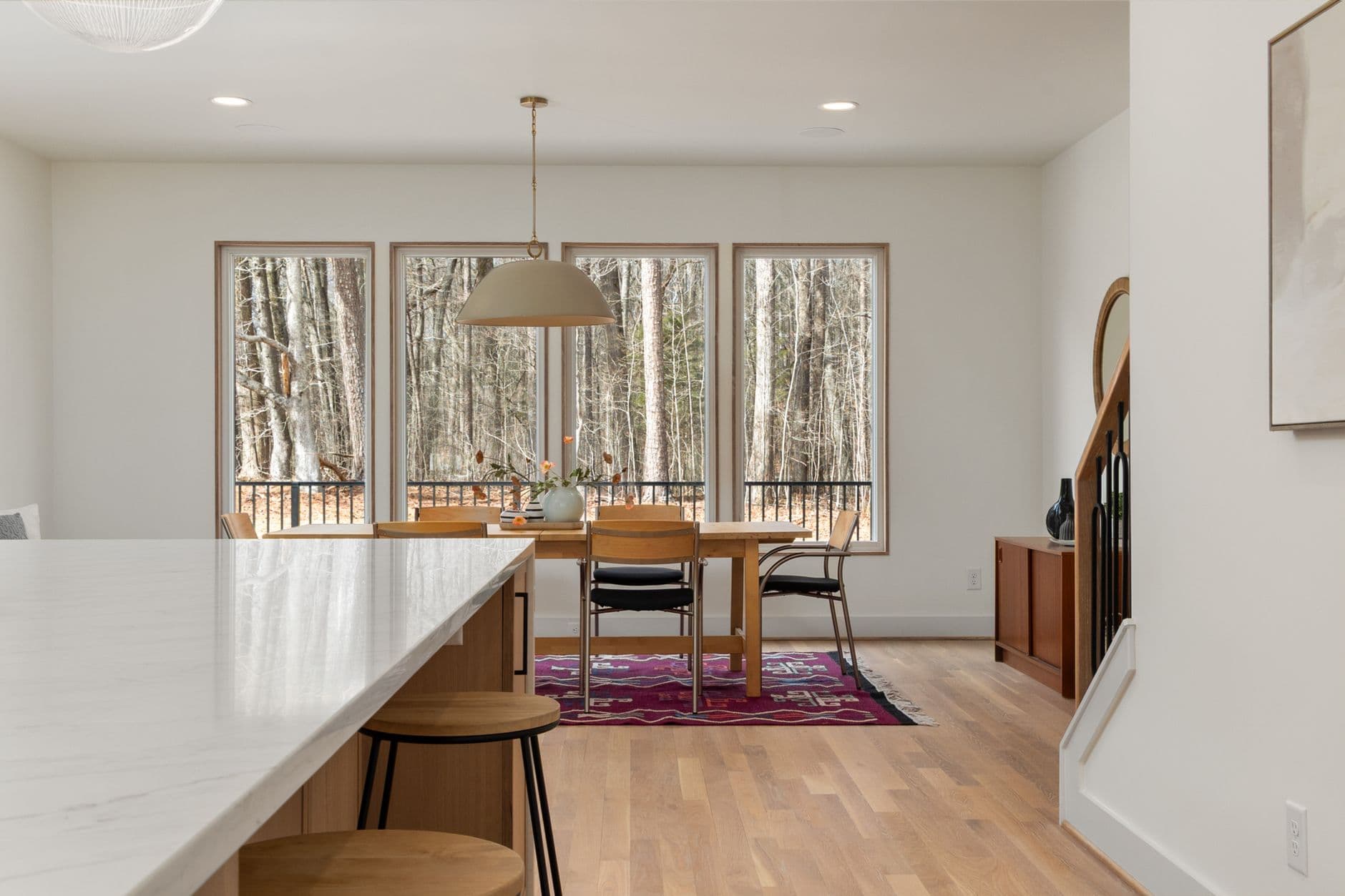
A dining rug has one job the living room rug does not: the chairs have to stay on it even when someone pushes back to stand up. So the rule here is dimensional. Measure your table and add at least 60 to 75 cm on every side. That extra border keeps the back legs of the chairs on the rug when they are pulled out, so nobody catches an edge or tips off onto hard floor. A rug that stops short of the pulled-out chairs is worse than no rug at all, because it turns every meal into a small obstacle. Flatweave or a low, dense wool pile works best under a dining table too: chairs glide instead of snagging, and crumbs sweep up without disappearing into deep pile.
Layer a small rug over a larger natural one
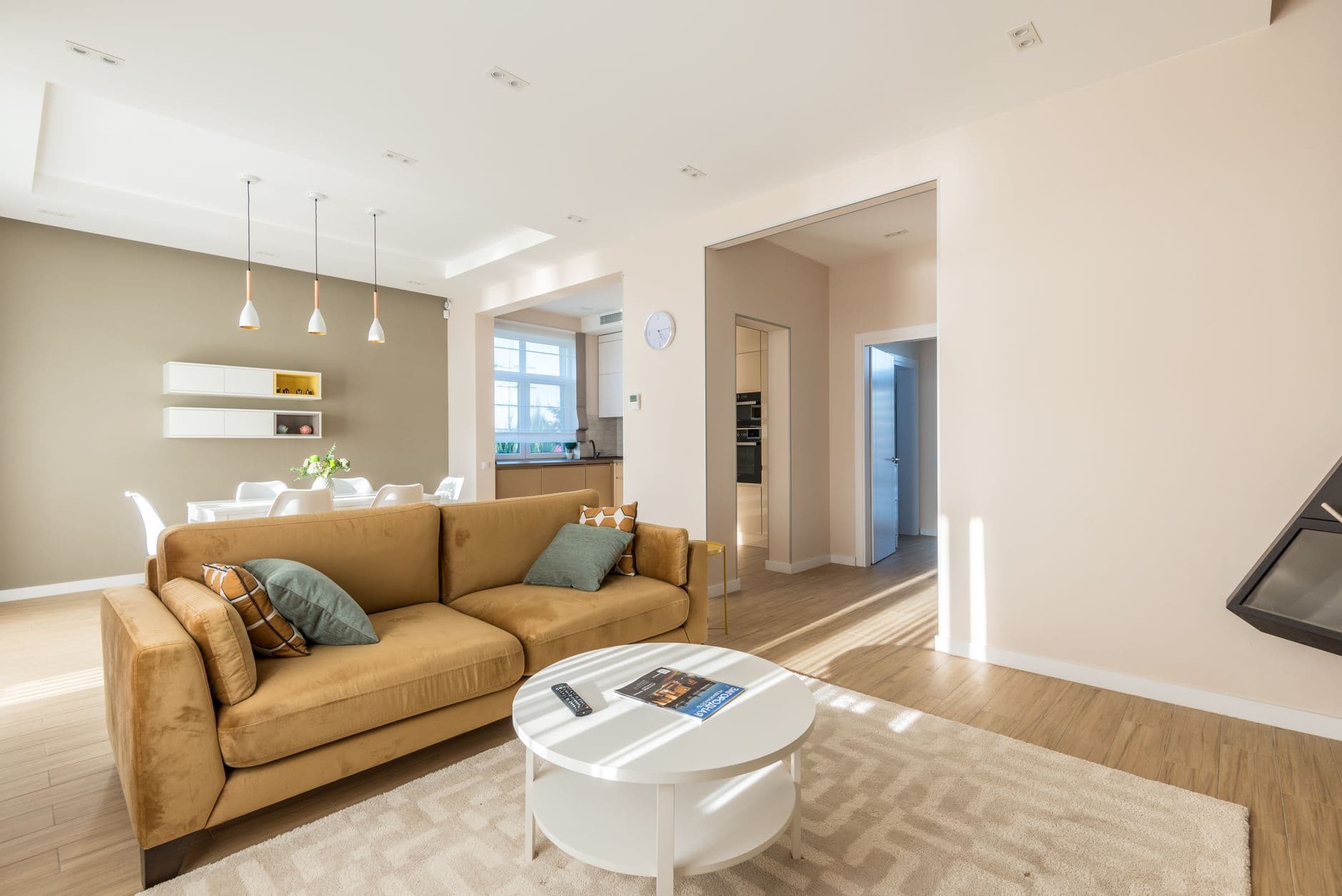
Layering is the trick that makes a room look collected rather than furnished in one trip. The formula is easy: start with a big, plain natural-fibre base like jute or sisal that covers the seating area properly, then set a smaller, softer wool or vintage rug on top, roughly centred on the coffee table. The base gives you the correct scale and grounds everything, while the top layer adds warmth, colour and something for bare feet. It also lets you use a beautiful smaller rug that could never anchor the room on its own. Keep the base neutral and quiet so the two do not fight, and let the top piece be the one with a little character.
Choose a colour that grounds, not shouts
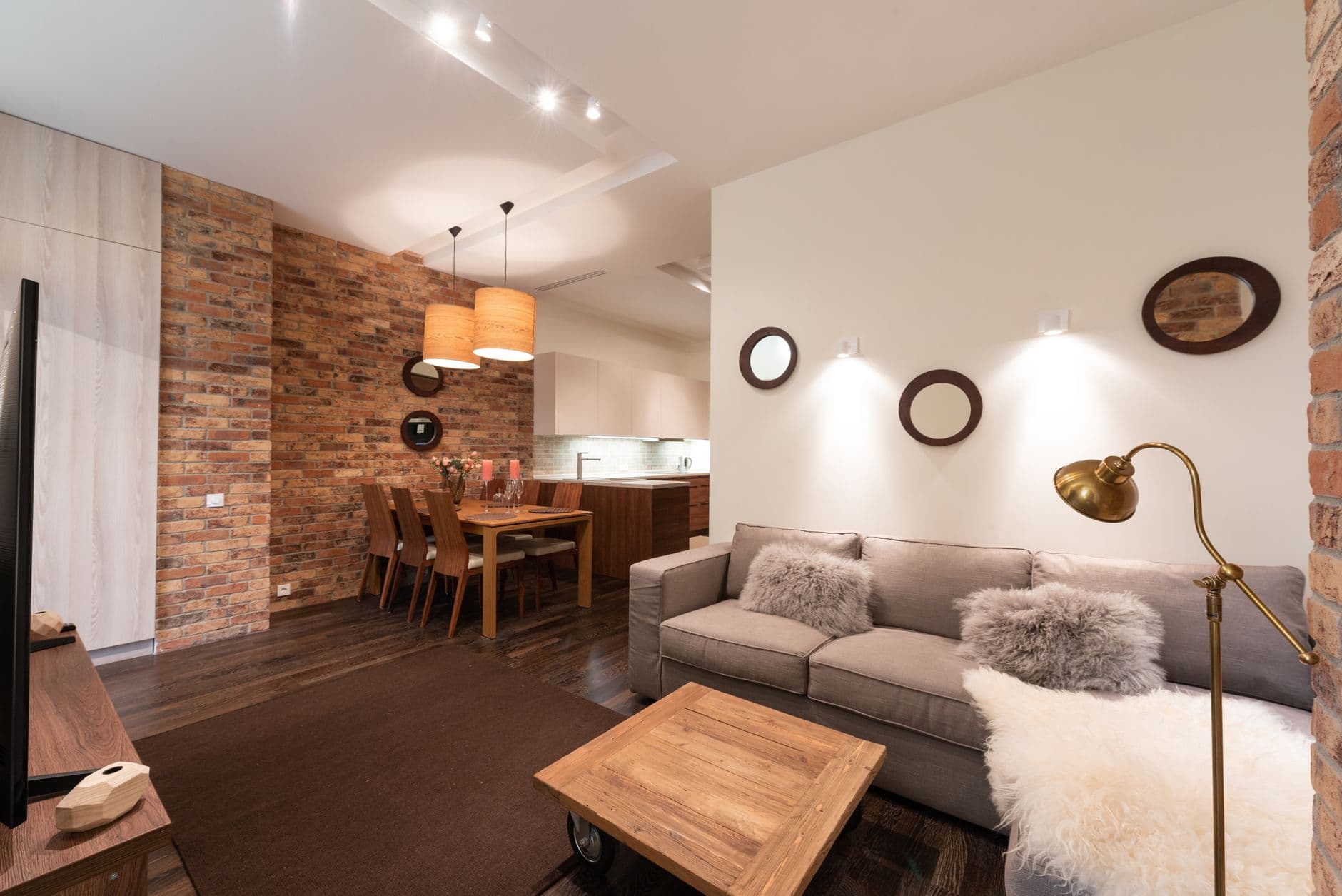
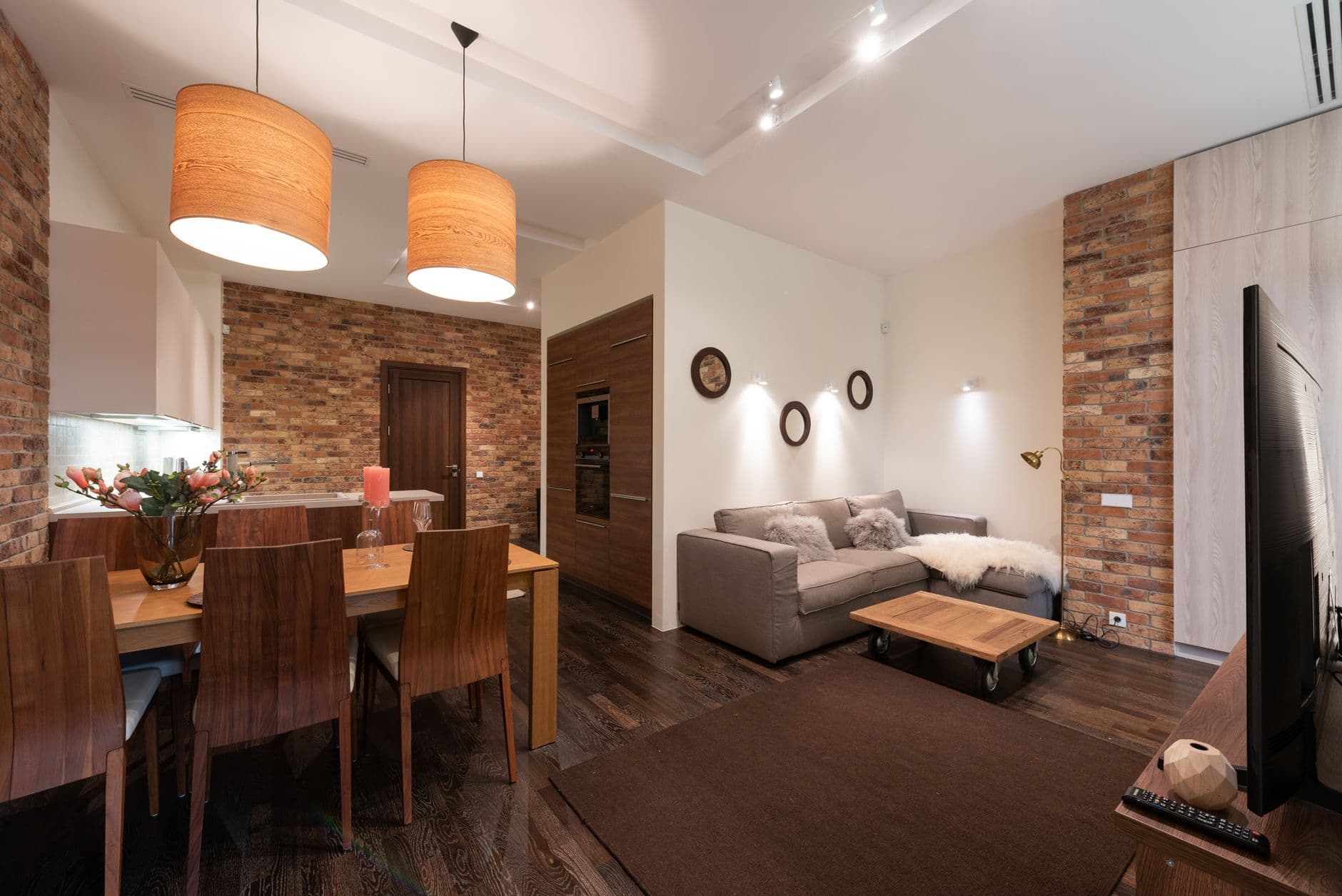
Colour is what decides whether the rug settles the room or hijacks it. For anchoring, you want something that reads as a grounded base: soft earth tones, warm greys, oatmeal, muted clay, the deeper end of the natural palette. These pull the eye gently downward and give the furniture something solid to sit against, which is exactly what anchoring means. A rug slightly darker or warmer than the floor almost always works. What tends to backfire is a pale, cool rug on a warm floor, which floats and shows every mark, or a saturated statement colour that competes with the sofa. Pick up a tone that already exists in the room, in the timber, the linen, a cushion, and echo it underfoot. The room will feel like it was planned around it.
Shopping for a rug now?
Already comparing rugs? Our LoomLan clearance check shows three observed examples, plus the sizing, finish and delivery checks to make before checkout. Prices and stock can change. LoomLan states: “All sales are final.”