What Good Hotel Rooms Know About Lighting, Storage and Sleep
A well-planned hotel room has one night to make its logic clear. The best lessons for home are found in the arrival path, bedside controls and disciplined absence of clutter.
Written by Vestados Editorial · 7 August 2026
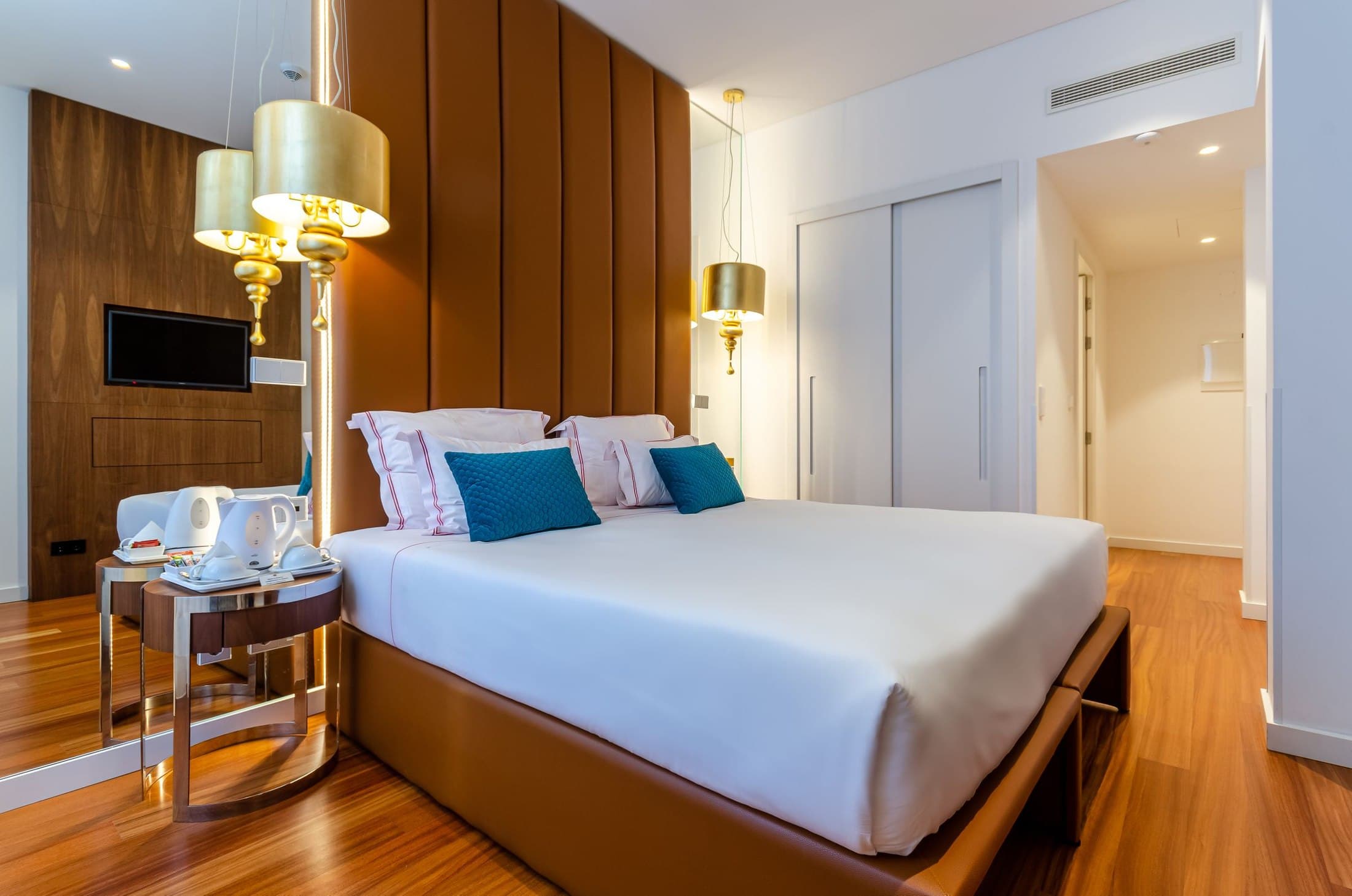
A hotel room is a ruthless test of interior planning. The guest arrives tired, carrying bags and unfamiliar with every switch. Within minutes the room must explain where to put a coat, charge a phone, find the bathroom and turn off the lights. Beautiful hotels sometimes fail this test. A dramatic pendant hangs at eye level, the only socket hides behind a cabinet or the wardrobe door collides with a suitcase. The good rooms are less theatrical. They provide a clear landing place, several states of light, darkness when it is wanted and enough empty surface to make a temporary life feel orderly. Home has more time and more possessions, but the underlying questions are the same. What happens in the first ninety seconds? Can both sides of the bed work independently? Is storage located where an object enters the room? Can the space become calm without a nightly clearing operation? Borrow the operational intelligence of hospitality, not its beige palette or decorative uniform. Your bedroom should still look inhabited. It should simply be easier to use when you are too tired to appreciate the design.
Design the first ninety seconds
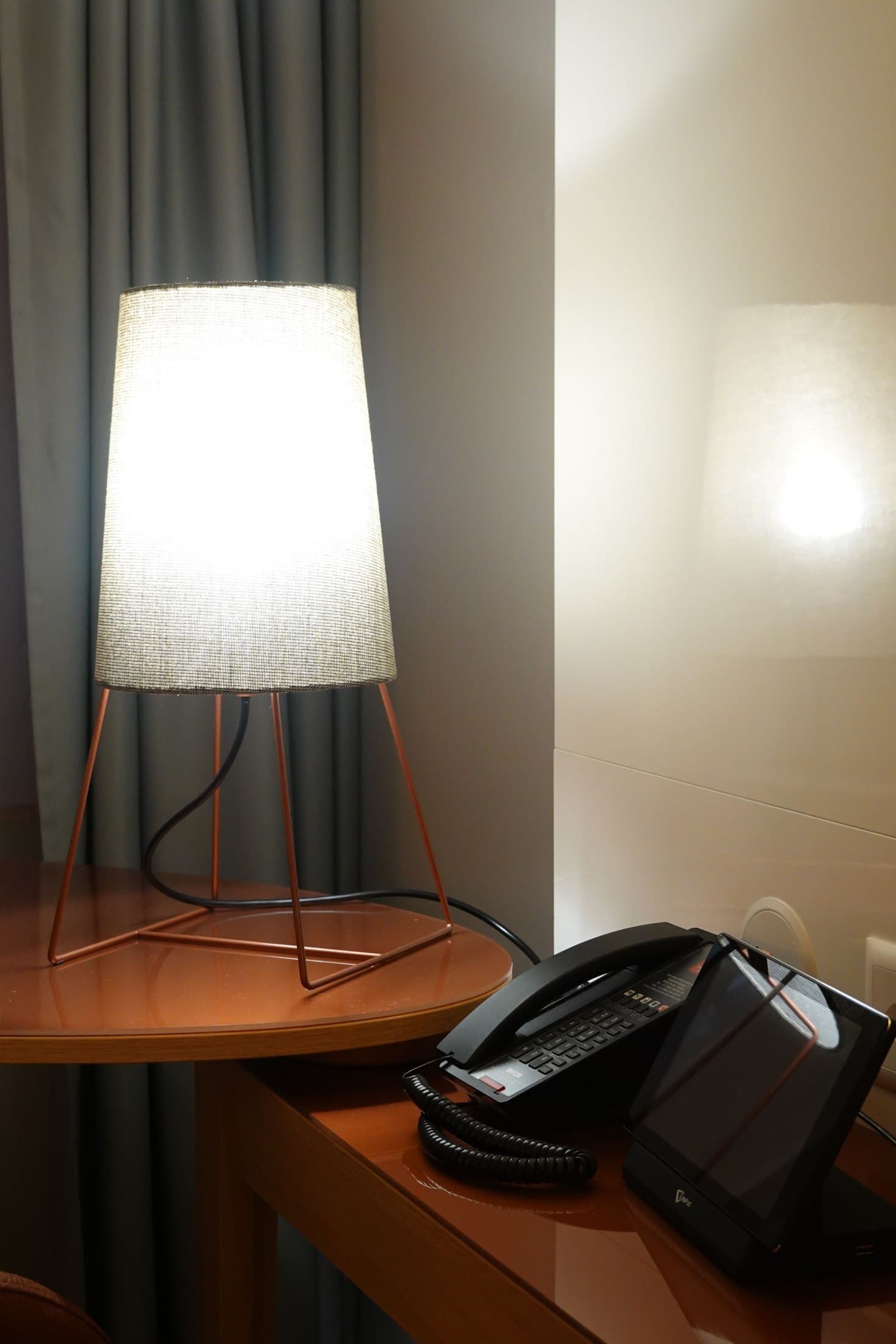
Watch what happens when you enter a room with full hands. The door swings, a coat comes off, a phone needs a home and something ends up on the nearest horizontal surface. A good hotel places that surface where the action occurs. At home, the answer might be a bench at the foot of the bed, a shallow shelf inside the door or one sturdy hook beside the wardrobe. Keep it specific. A tiny tray is for jewellery and keys; a bench needs enough clear length for a weekend bag or folded laundry; a hook must carry a heavy robe without pulling from the wall. Then protect the circulation route. Accessibility guidance from the US Access Board treats clear routes and door manoeuvring space as functional requirements in transient lodging. Private bedrooms follow different local rules; the practical principle still holds. Furniture should not steal the path that bodies, bags and mobility aids need. Open every door and drawer while the suitcase, laundry basket or walking aid is in its likely position. Check the route in low light. Rounded corners and a few extra centimetres can matter more than another decorative cushion. The room starts to feel composed when arrival has somewhere to go. Without that landing place, clutter is not a character flaw. It is the floor plan reporting a missing function.
Give lighting three jobs and simple controls
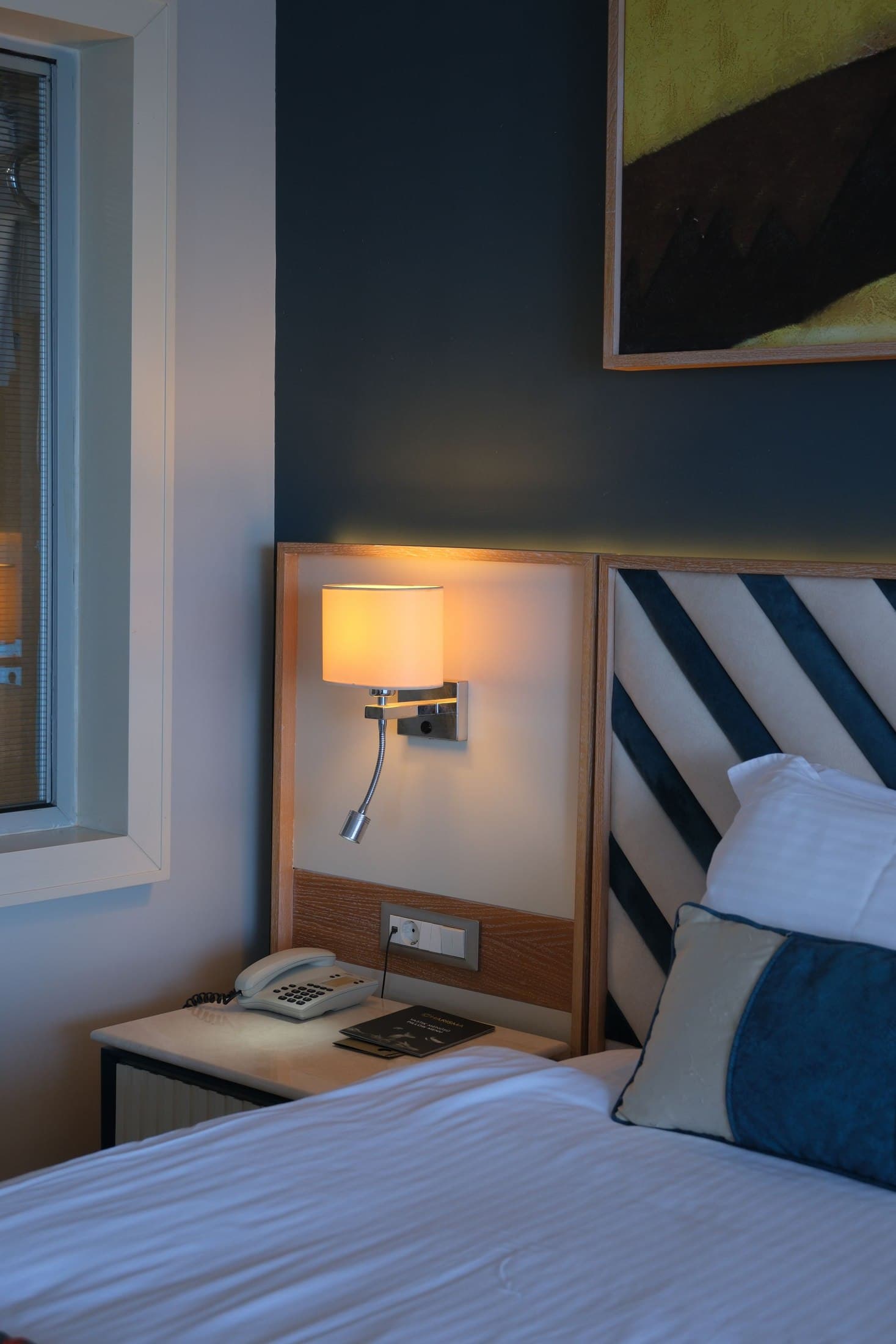
Hotel lighting is most useful when it can move through three states: arrival, reading and sleep. Arrival needs enough ambient light to see the floor, luggage and wardrobe. Reading needs a focused source that does not flood the other side of the bed. Sleep needs a route to darkness without crossing the room. At home, start with controls rather than fittings. Can the main room light be switched at the door and from the bed? Can each sleeper operate a lamp independently? Does a bathroom visit require full brightness? A dimmable ambient source, two well-shielded bedside lights and a low night light can cover more real needs than a ceiling crowded with downlights. Position reading lights after the bed and mattress height are known. Sit against the actual pillows and check that the beam reaches the page without shining into the other person's eyes. Wall lights release bedside surface, but only if the switch is reachable. Pendants need careful height so nobody meets one while making the bed. Choose warm, comfortable light for evening and keep colour rendering good enough that clothing and timber do not turn muddy. Smart controls can help, but every essential state should remain obvious to a guest and usable when an app or network is unavailable. The best control is the one a half-awake hand finds on the first attempt.
Dark, quiet and cool beats decorative perfection
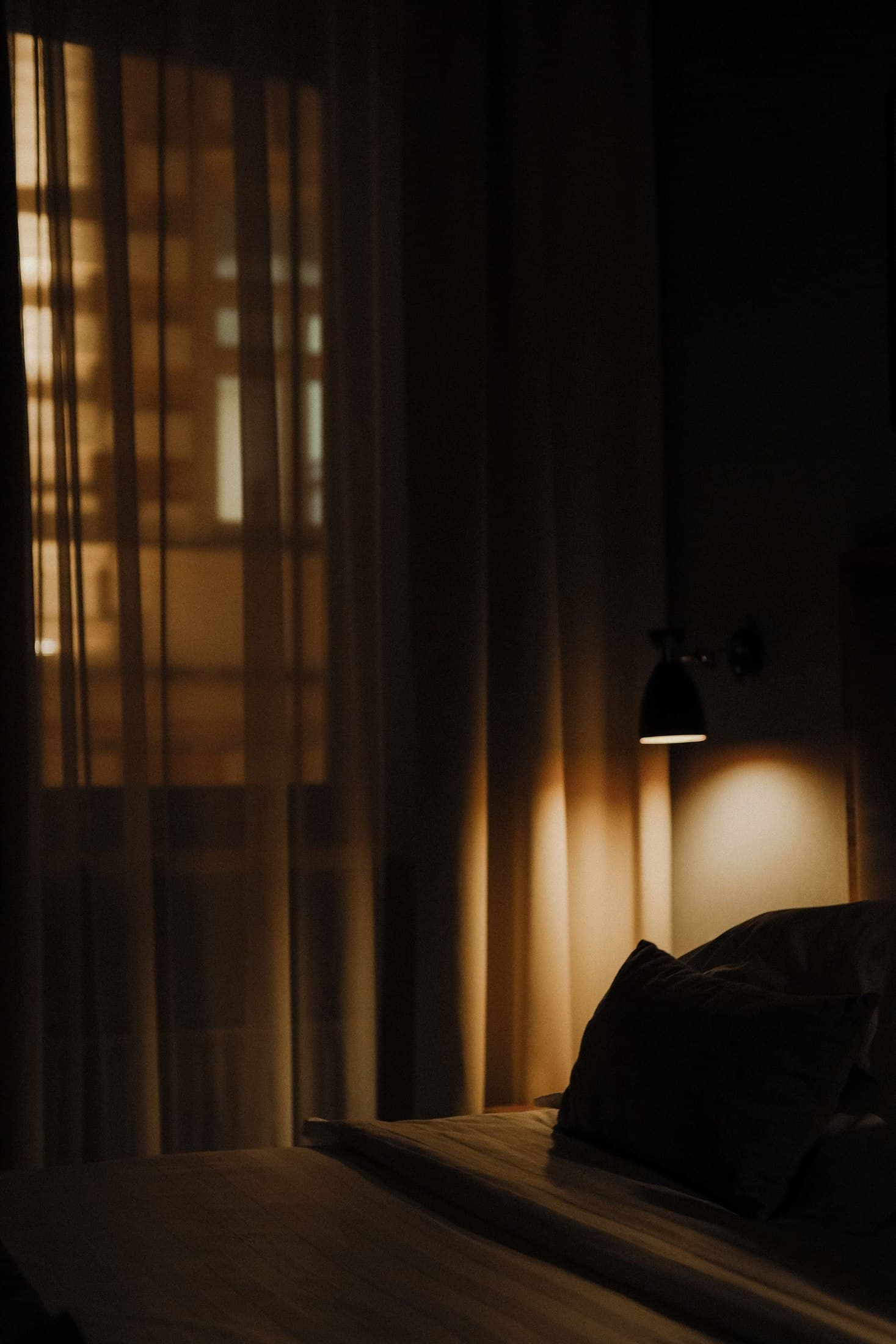
The US Centers for Disease Control and Prevention recommends a bedroom that is quiet, relaxing and comfortably cool. Its archived NIOSH guidance is more pointed: make the sleep area very dark, reduce noise and keep a clear path to the bathroom. Interior choices can support that advice without turning the room into a laboratory. Test curtains at night. Light often enters above the track, between two panels or along the outer edge, so generous overlap and a return to the wall may matter more than the fabric's colour. A lined Roman blind behind curtains can deal with a difficult reveal. Remove or cover indicator lights that stay bright after everything else is off. Place a rug, upholstered headboard or full curtain where hard surfaces are reflecting sound, but investigate persistent outside or building noise before assuming soft furnishings will solve it. Ventilation and temperature need their own plan. A heavy duvet cannot correct an overheated room, and an open window may introduce noise or security concerns. Keep the area around the bed free enough for safe movement, especially on the route to the bathroom. This is where hotel restraint becomes useful. Fewer objects on the floor and fewer powered devices beside the pillow create less visual and practical friction. The room may look simpler as a result, but simplicity is the consequence of solving sleep, not a style imposed on it.
Storage should follow the object, not fill the wall
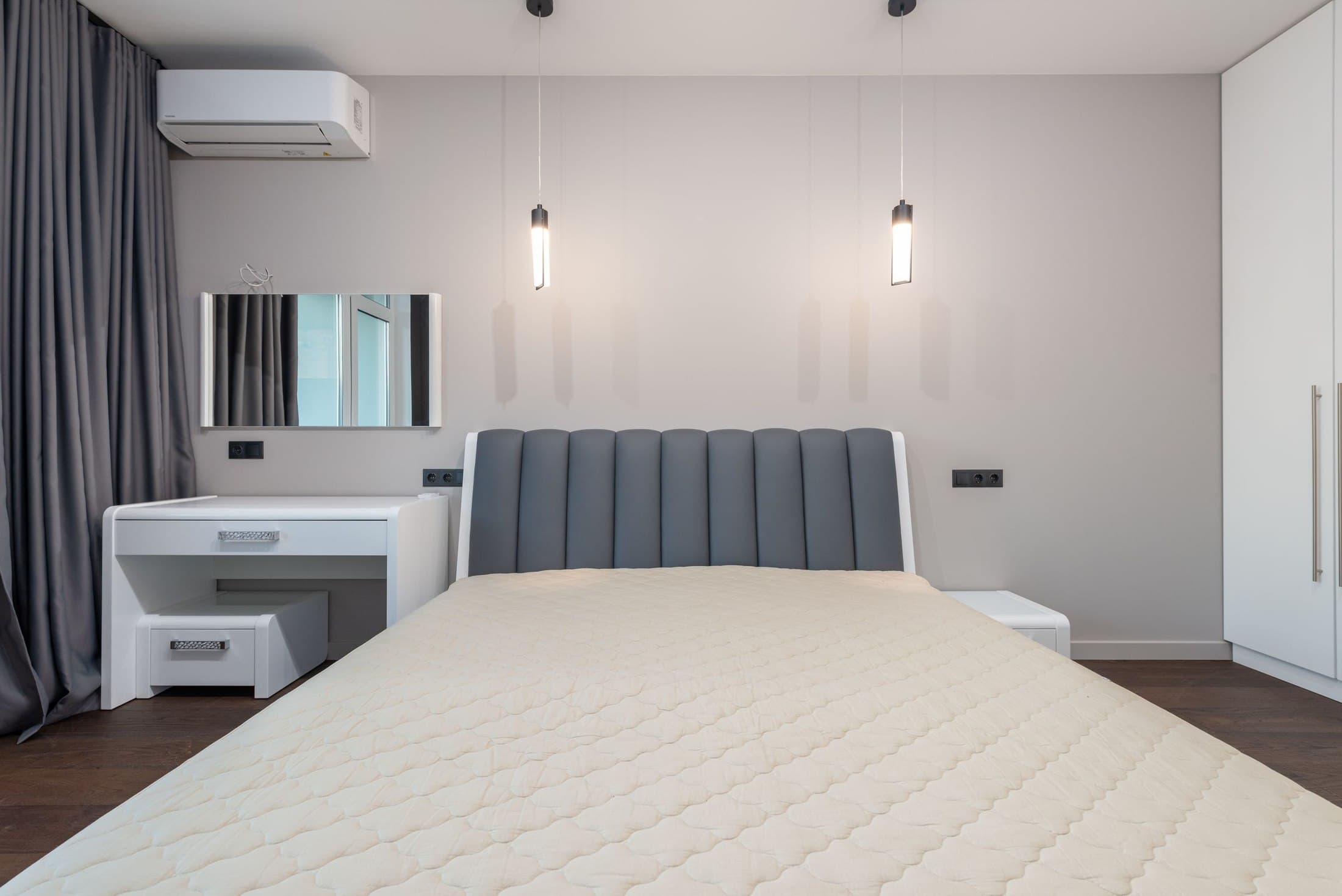
Hotel wardrobes are small but often located correctly. Luggage meets a rack, a coat meets a hanger and shoes land near the floor. Domestic storage tends to reverse the logic: a large wall of cabinetry is designed first and real belongings are asked to adapt. Inventory the actions instead. Which clothes are worn again before washing? Where does tomorrow's outfit wait? What needs a drawer, what needs air and what creates visual noise when left open? A shallow rail or valet hook may solve the chair covered in clothes better than another wardrobe bay. Bedside storage should be equally specific. One drawer can hide medicine, cables and a notebook; an open shelf suits a book; a cable outlet belongs where the phone can rest without dangling. Check hanger depth and door swing before commissioning joinery. Sliding doors save swing space but can block half the wardrobe at once. Deep shelves look generous and then hide folded clothes in two rows. A suitcase platform may double as a bench if the height and upholstery can handle both jobs. Leave a percentage of storage empty. Hotels feel legible because every cavity is not packed, and a home benefits from the same margin when laundry, guests or seasonal changes arrive. Built-in storage is expensive square footage. It should reduce daily movement and decision-making, not provide a handsome wall behind which disorder has merely become harder to reach.
Keep one memorable gesture and edit the rest
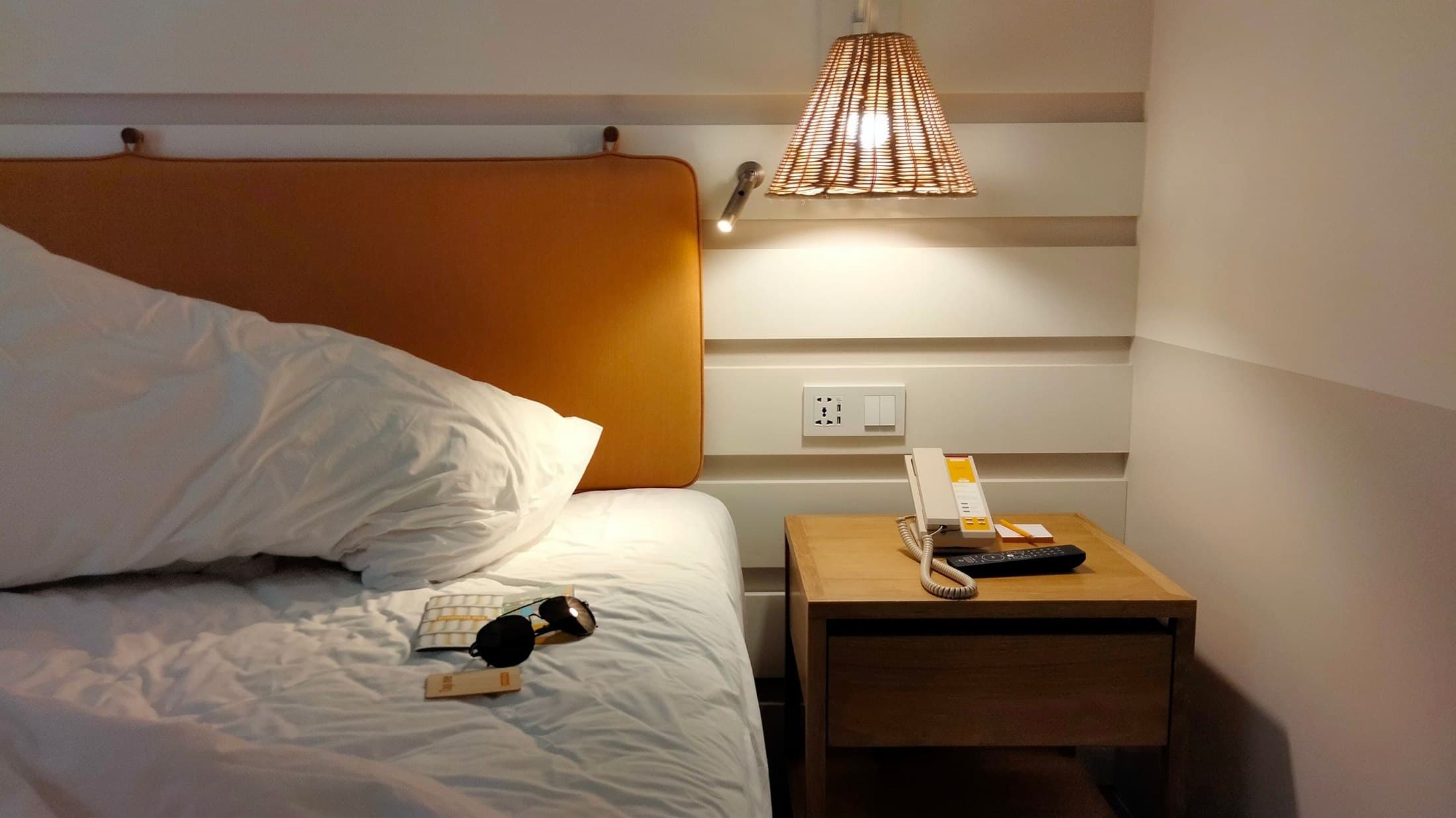
The hotel rooms we remember usually contain one decisive gesture: a wall of coloured plaster, an exceptional headboard, a view framed by curtains or a lamp that gives the room its evening character. The rest supports it. Homes often reverse that ratio and distribute attention across bedding, cushions, prints, baskets, candles and small furniture until nothing can hold the eye. Choose the bedroom's memorable element deliberately. It might already exist in the architecture, timber floor or garden view. If not, invest in the surface or object that is hardest to improvise later. Then clear the bedside tables enough to use them, keep art away from door swings and reserve the chair for sitting by providing another place for worn clothes. The editing should not erase personality. Books, photographs and an imperfect ceramic are exactly what prevent the room from resembling a booking page. They simply need a stable place. Finish with a one-night test. Arrive carrying a bag, charge the devices, read in bed, turn every light off, close the curtains, get up in darkness and dress the next morning. Write down each irritation before buying anything else. A beautiful room that explains itself through use will be bookmarked by the body long after the paint name and hotel references are forgotten.