The Outdoor Living Room: Treat the Garden as a Room
The garden stopped being a view and became a room. Here is how to build an outdoor living space with a ceiling, walls of green, and furniture that earns winter.
Written by Vestados Editorial · 25 August 2026
Something shifted in how we use our gardens. The lawn-with-borders model, admired from a kitchen window and visited twice a summer, gave way to something more honest: the garden as an extra room, furnished and lit like one, used on any evening that is not actively raining.
I think about outdoor space the way I think about interiors, because the design logic is the same. A room needs a ceiling, walls, a floor, somewhere genuinely comfortable to sit, and light after sunset. Get those five right outside and the house grows by a room for a fraction of what an extension costs. Get them wrong and you own a set of damp cushions. Here are the five, in the order that matters.
Start with the ceiling, not the sofa
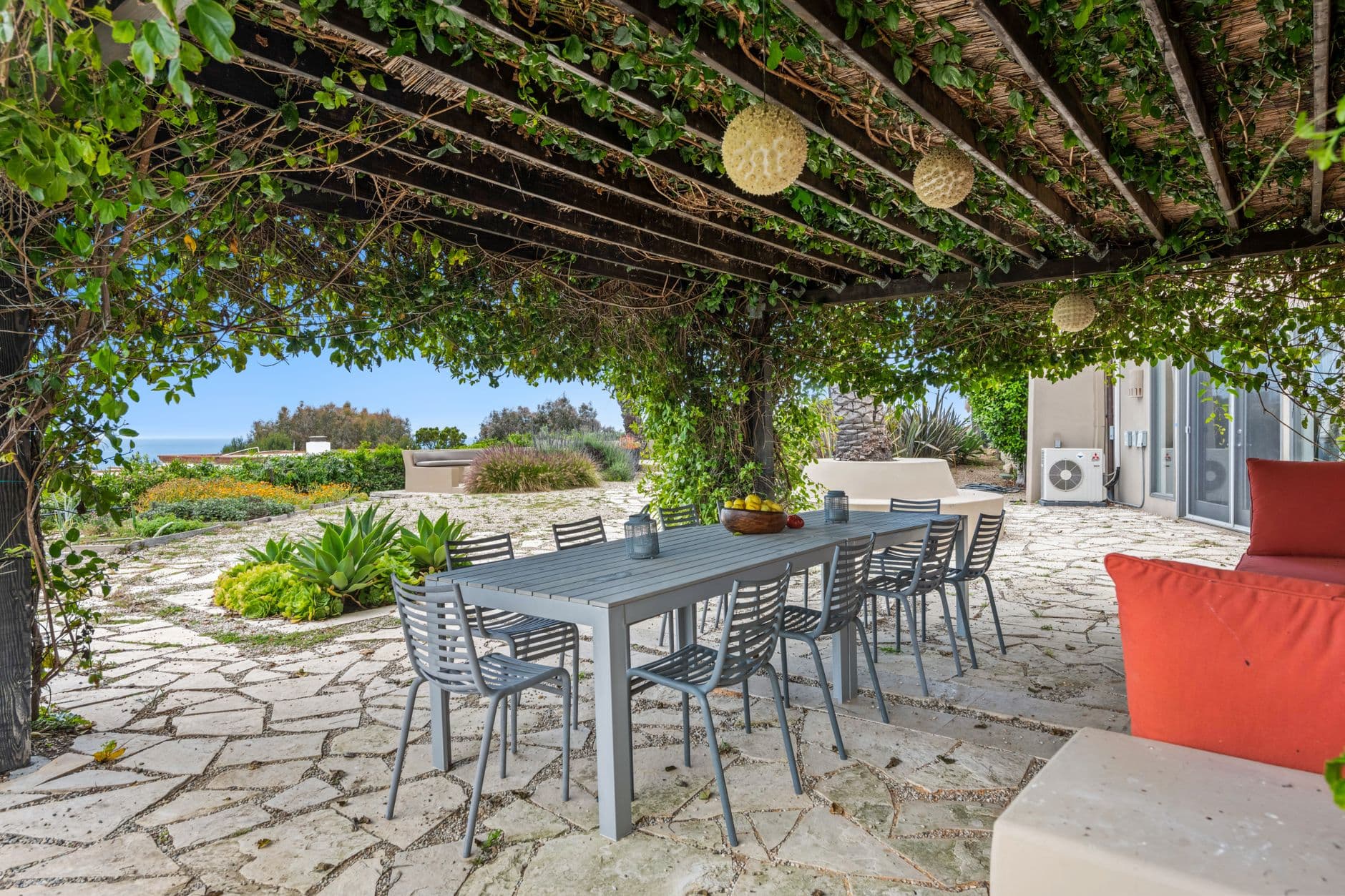
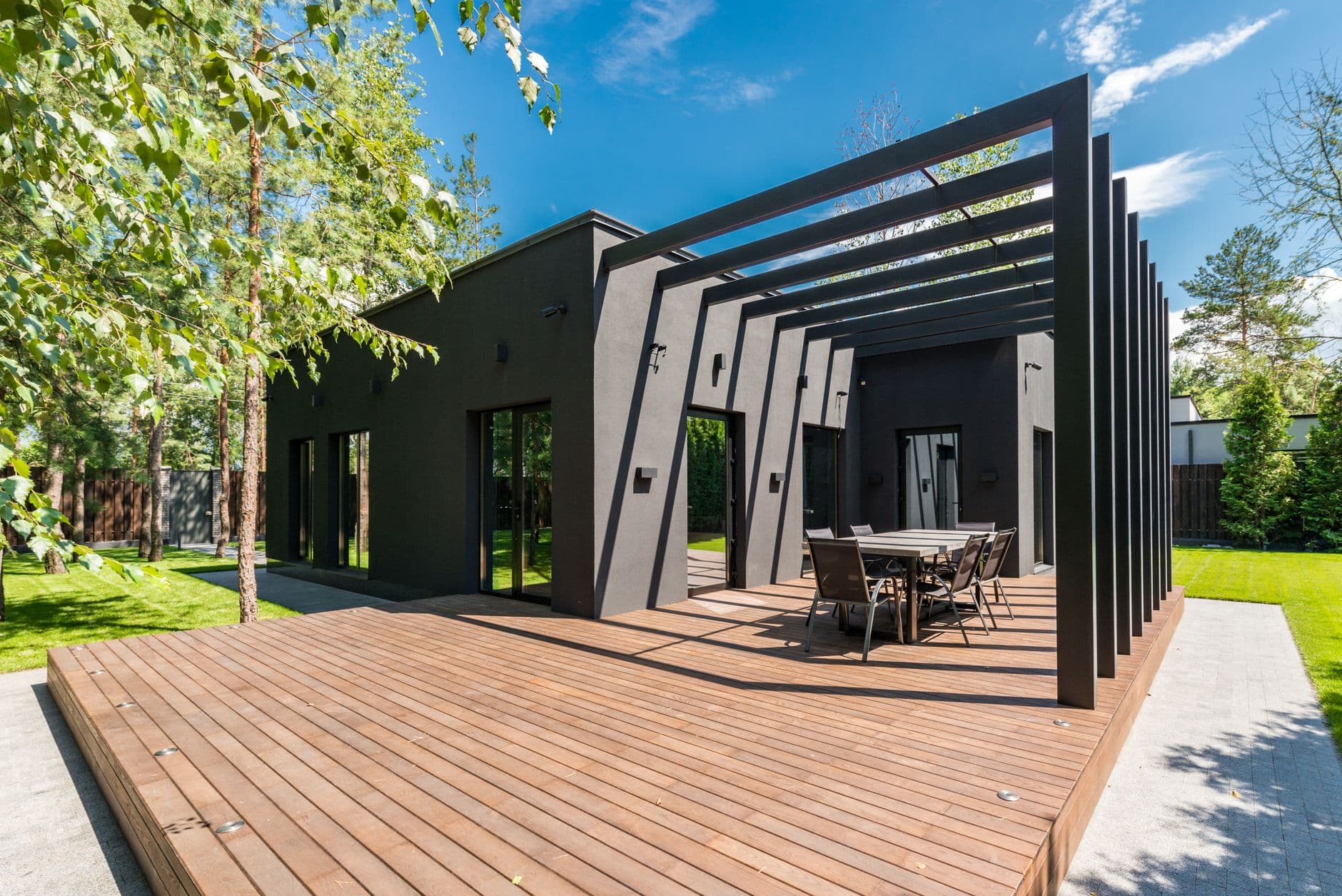
The instinct is to buy furniture first, but an outdoor room begins overhead. A defined ceiling, whether a timber pergola, a slatted aluminium canopy or a mature tree limbed up above head height, is what flips a patch of paving into a place. It frames the sky, takes the glare out of midday, and holds lights and shade where you need them.
Under an open sky, furniture is parked. Under a ceiling, it is placed. Size the pergola a metre beyond the seating on every side; one that exactly matches the furniture footprint feels like a bus shelter. Then let a wisteria or an ornamental vine turn the structure into architecture that marks the seasons.
Grow the walls instead of building them

A room needs enclosure, and outside the best walls are alive. A run of tall grasses, a hornbeam hedge kept at shoulder height, pleached trees along a boundary, or three large planters of bamboo can wrap a seating area in green privacy that fences never manage, and they move and sound like a garden rather than a compound.
Three soft walls and an opening read as a room with a window; full enclosure reads as a hiding place. Leave one side open toward the longest view, even if the view is only the rest of your own garden. The current planting mood helps: looser, naturalistic drifts that look designed but not manicured, chosen for texture across the whole year.
Furniture that earns its place outdoors year-round
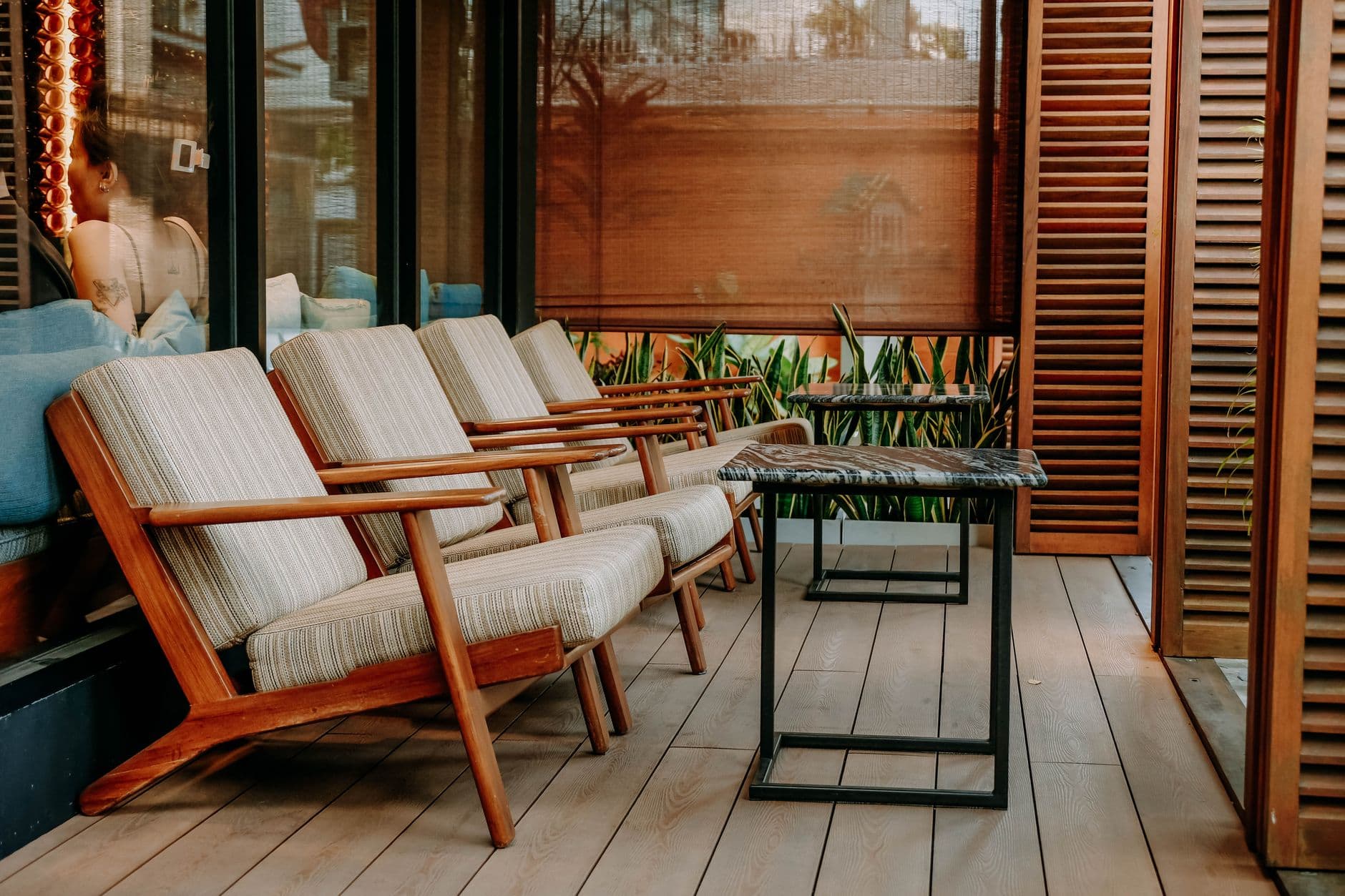
The test for outdoor furniture is February, not July. Powder-coated aluminium, teak left to silver honestly, and rope or all-weather weave stand outside all year and look better for the patina; anything that must be dragged into a shed by October will eventually stay in the shed.
Buy fewer, deeper seats, exactly as I argued for small living rooms: one proper outdoor sofa with a low back beats a corner unit that seats eight people you are not expecting. Cushions live in a deck box an arm's reach away, so the good-weather ritual takes thirty seconds, not a household operation. And add one small table per seat, because a room where every drink balances on an armrest is a room half-finished.
A floor that continues the house
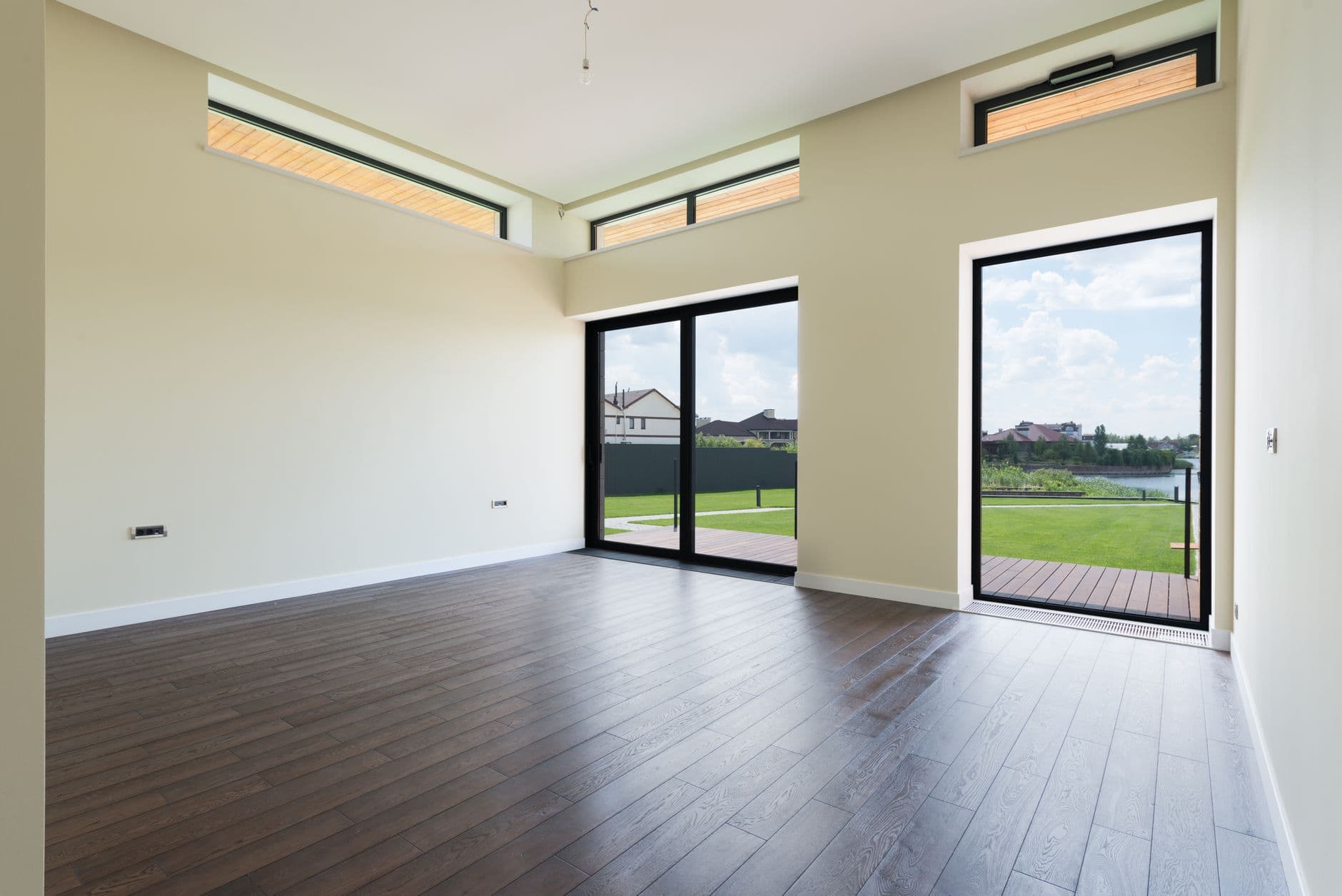
The floor decides whether the outdoor room feels connected to the home or marooned in the lawn. The strongest move is continuity: porcelain or natural stone outside in the same tone as the interior floor, with the threshold kept flush, so the eye slides out without a step or a colour break and both rooms borrow each other's size.
One good floor, edge to edge, then let the planting provide the pattern. Where continuity is not possible, contrast deliberately: wide boards of thermally treated timber laid in the direction of travel, or large-format pavers with planted joints. What the current garden mood has retired is the patchwork: the circle-feature kit, the four materials in one small yard.
Light it like a living room, not a car park

Most gardens after dark are either black voids or lit like security compounds, and neither invites anyone outside. I borrow the indoor rule of layers, at knee and table height rather than overhead: a dimmable festoon along the pergola for the ceiling line, one rechargeable lamp on the table for faces, a discreet spike light grazing a tree or the grasses for depth.
The moment the lighting works, the outdoor room doubles its opening hours. Warm colour temperature throughout, nothing brighter than you would tolerate in the lounge, and everything on a switch you will actually use. A Tuesday dinner outside in April stops being an event and becomes a habit.
Add the fire, skip the outdoor kitchen arms race
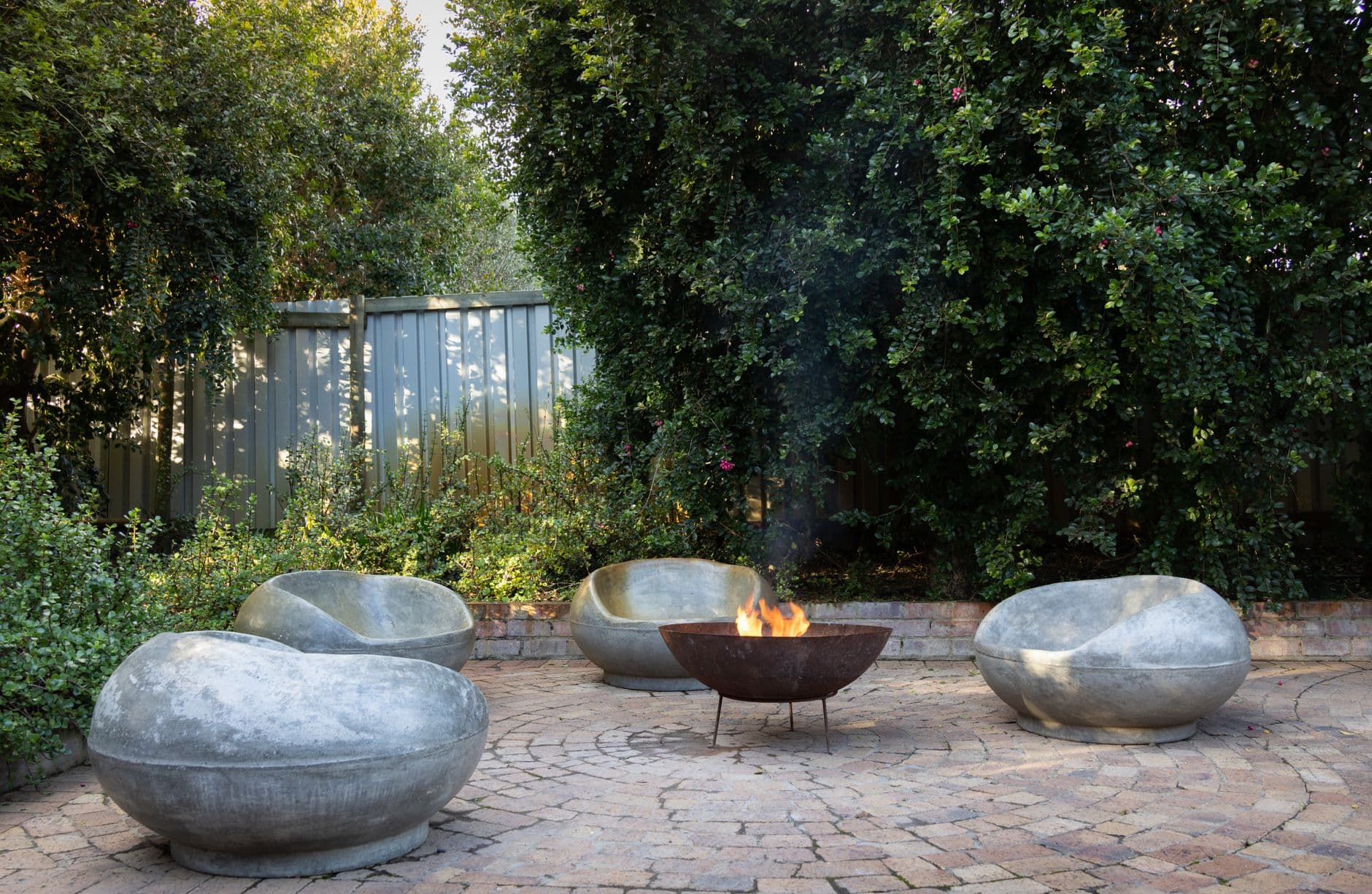
The last piece is the one that stretches the season: heat. A simple steel fire bowl, a built-in bench with a fire table, or a compact wood stove under an open-sided canopy pulls the room from May-to-September to March-to-November, and it gives the space what every living room has: a focal point people angle their chairs toward.
Warmth and green are what people remember; appliances are what they walk past. Be honest about the outdoor kitchen question. The full stainless arms race of burners, fridges and pizza ovens suits the household that genuinely cooks outside weekly; for everyone else, a good grill on wheels and a hardwood counter slab cover the real use case at a tenth of the cost. Spend the difference on the fire and the planting.
Order of operations if you start this spring: ceiling first, then the floor, then one great sofa. The fire bowl is the reward at the end.