Six Small European Gardens That Feel Bigger
Six compact European gardens, courtyards and balconies that feel bigger than their measurements, each built on one decision worth stealing.
Written by Vestados Editorial · 25 August 2026
Big gardens forgive mistakes; small ones publish them. A courtyard of five by six metres shows every decision at once, which is why the best small gardens are such good teachers. They cannot afford a bit of everything, so they choose one idea and commit, exactly the way a good small living room does.
I collected six compact European gardens I keep returning to, from a one-tree courtyard to a balcony of barely four square metres, and pulled out the single decision that carries each of them. None depend on a mild climate or a landscaping budget. They depend on restraint, which travels well. Take the one that fits your space and do it properly this season.
The one-tree courtyard
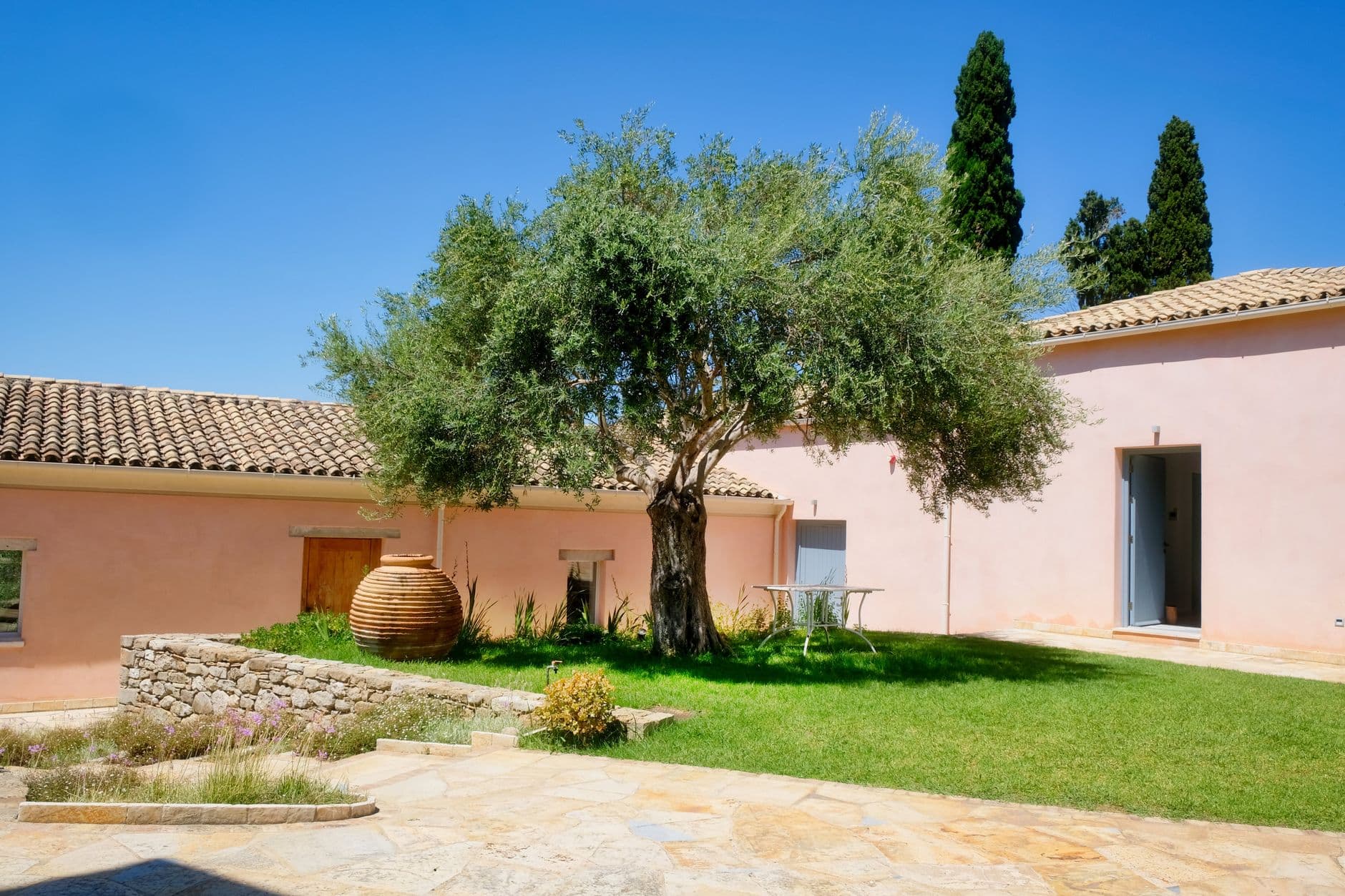
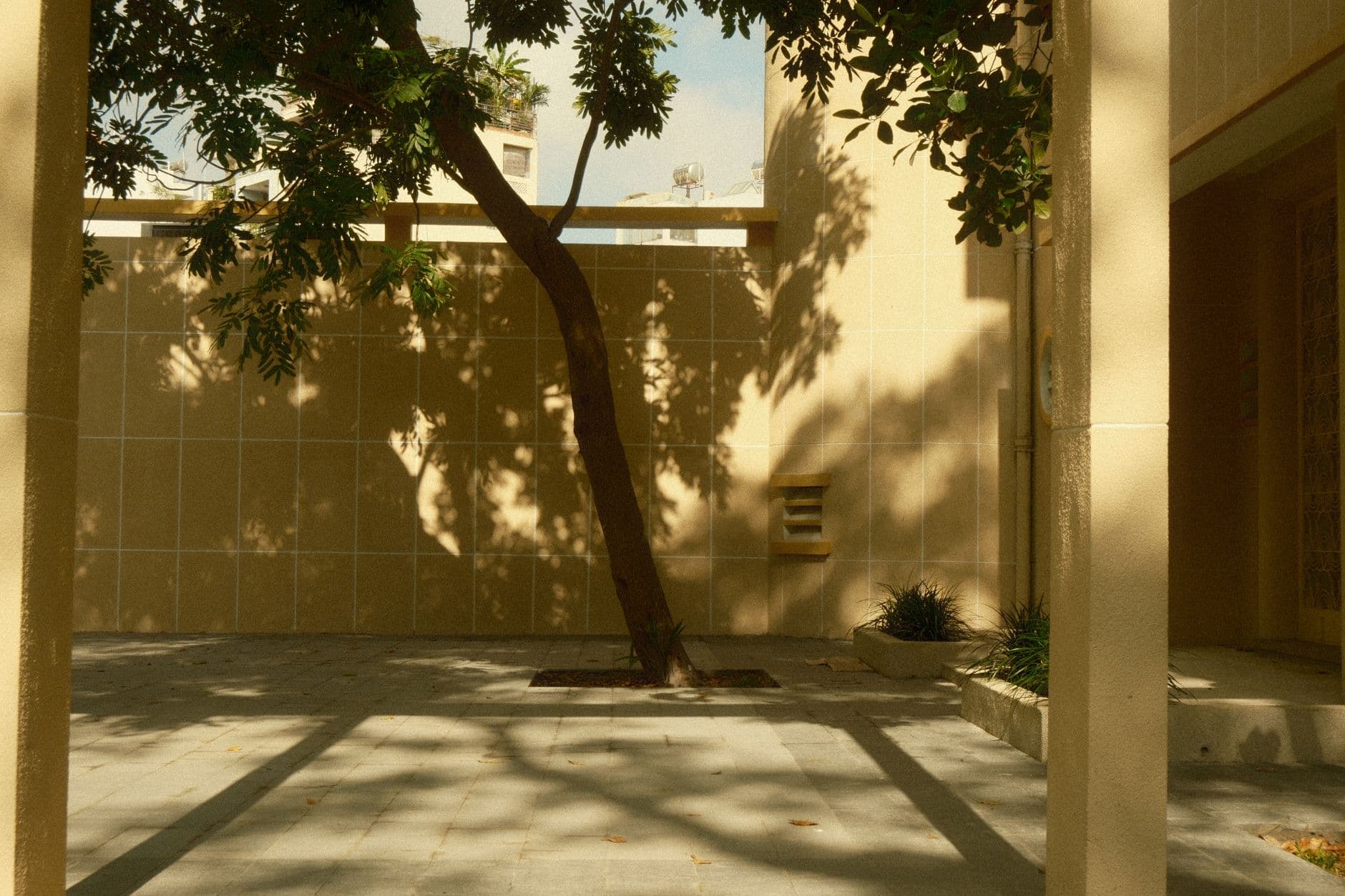
This walled courtyard in Ghent contains, at first glance, almost nothing: a floor of pale limestone, two benches against the wall, and a single multi-stem Amelanchier rising from a generous square opening in the paving. That one tree does everything. It gives the space a ceiling of light foliage, throws moving shadows across the stone all day, flowers white in April and turns copper in October, so the courtyard has seasons instead of decorations.
One tree, chosen well and given room, outperforms any collection of pots. The detail that makes it work is the scale of the opening: a tree cramped into a small pit reads as a shrub in trouble, while a full square of open soil, mulched and underplanted with a low fern, reads as intent. This is the garden I think about most often, and the cheapest one in this list to copy.
Walls that turned into the garden

A Rotterdam terrace of barely twenty square metres holds its entire garden on the vertical. Every boundary carries green: a wire grid with an evergreen climber on the north wall, espaliered fruit against the sunny brick, and deep wall-mounted troughs spilling herbs at cooking height by the door. The floor stays almost empty, one table, four chairs, which is exactly why the space works; you sit inside the planting instead of navigating around it.
Spend the walls, keep the ground for people. In any small space the square metres underfoot are too valuable to fill with planting. Think in layers rather than objects: the walls hold the garden, the floor holds the life.
One step down, and it became a place
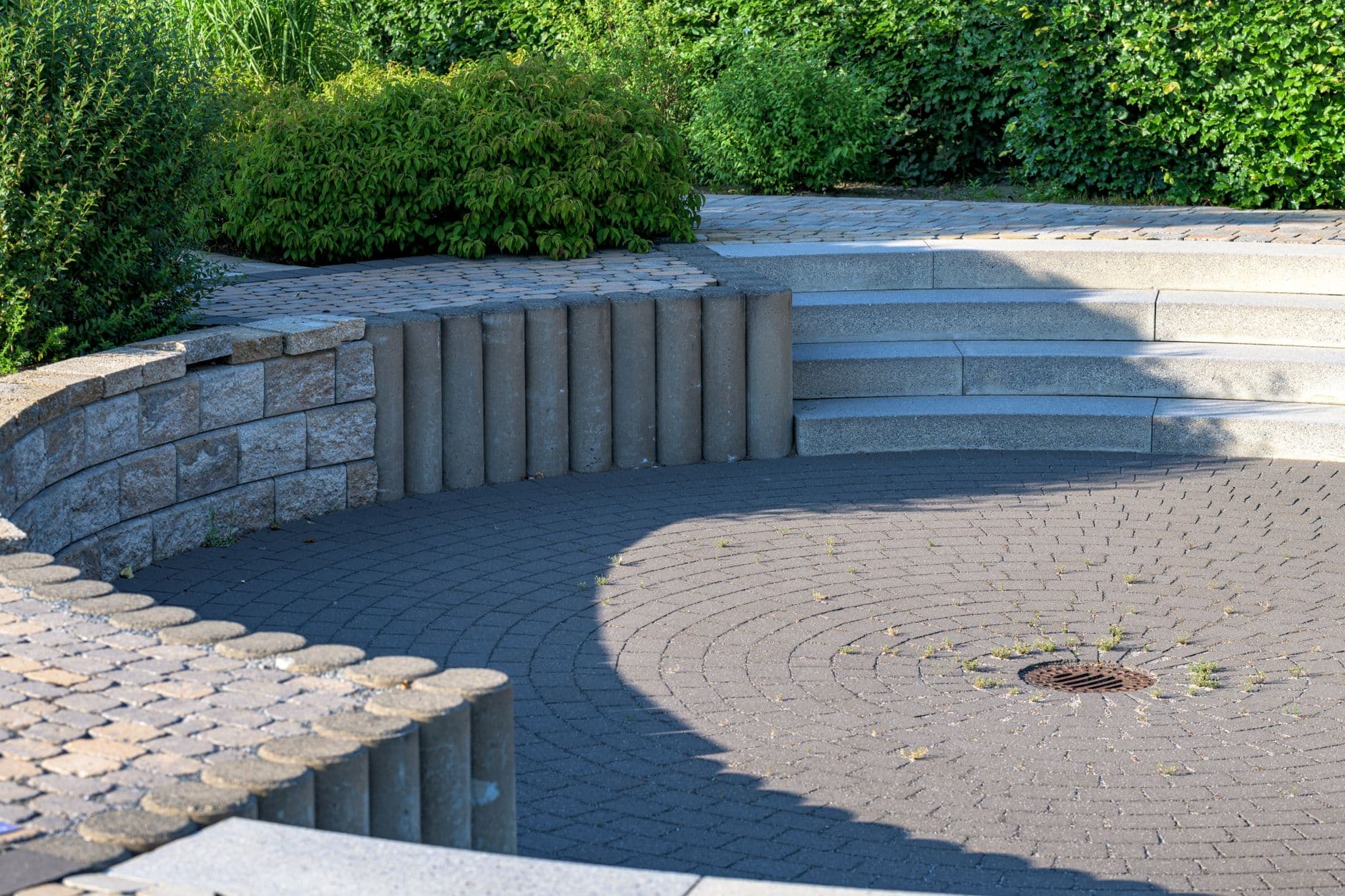
The rear garden of this London terrace drops thirty centimetres below the level of the kitchen doors, a decision that cost one retaining edge and a step, and repaid it with atmosphere no planting could buy. The sunken seating area sits sheltered from wind and sightlines, the low surrounding wall doubles as bench and border edge, and from the kitchen the whole garden reads as composed layers instead of a flat plane.
Level change is the cheapest form of drama a small garden can own. The modesty of the drop matters: one comfortable step, not a staircase. Where digging down is impossible, run the same effect in reverse: raise the planting beds and let the seating sit low among them.
The dining nook under a green roof
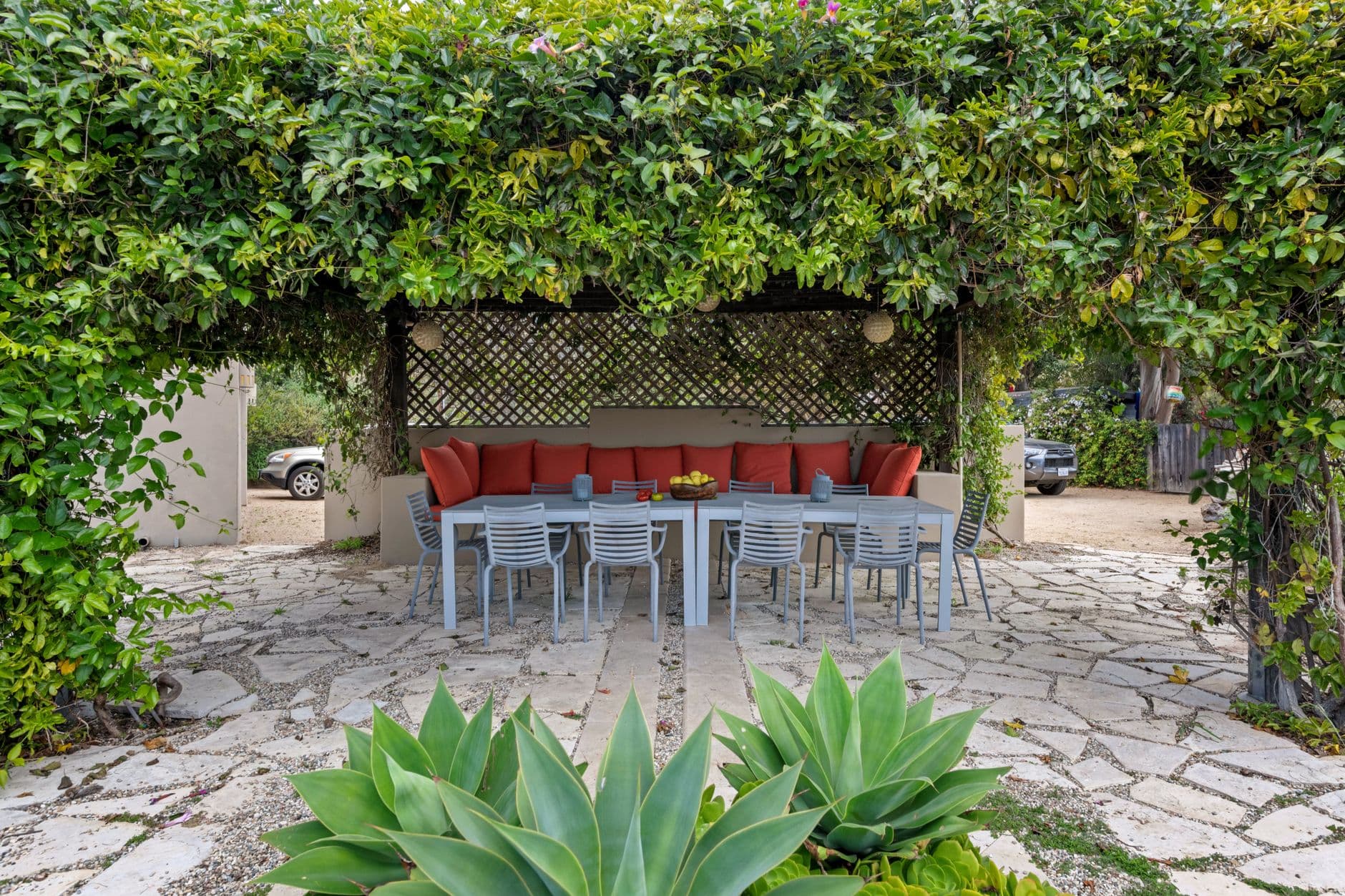
In a Barcelona courtyard, the dining table does not sit in the garden; it sits in a room the garden built. A steel pergola barely larger than the table carries a vine so established that by June the canopy is closed, and lunch happens in green shade while the rest of the small yard bakes. Gravel underfoot, a fold-down bench for extra guests, festoon lights woven through the vine for the evenings.
Because the pergola matches the table rather than the plot, it creates an interior scale inside the outdoor space. The remaining garden feels larger for having somewhere to be seen from. A big garden gains little from this move; a small one gains a second room. I wrote more about that idea in the outdoor living room.
Planting that looks found, not bought

This Utrecht front garden replaced its paving with what looks like a self-sown meadow strip: grasses, umbels, salvia and yarrow moving in any breeze, alive with insects from May to the first frost. It is nothing of the kind. It is a designed matrix of roughly eight species in repeating drifts, planted densely so weeds never find a gap, and cut back once a year in late winter.
Why repetition reads as calm
The same few plants recurring through the strip read as calm abundance, where thirty different purchases read as a garden centre trolley. This is the current direction in planting, looser and wilder in spirit but tightly edited in fact, and it suits small spaces perfectly: a matrix needs no lawn, no bare soil and almost no weekend labour.
The balcony that behaves like a garden
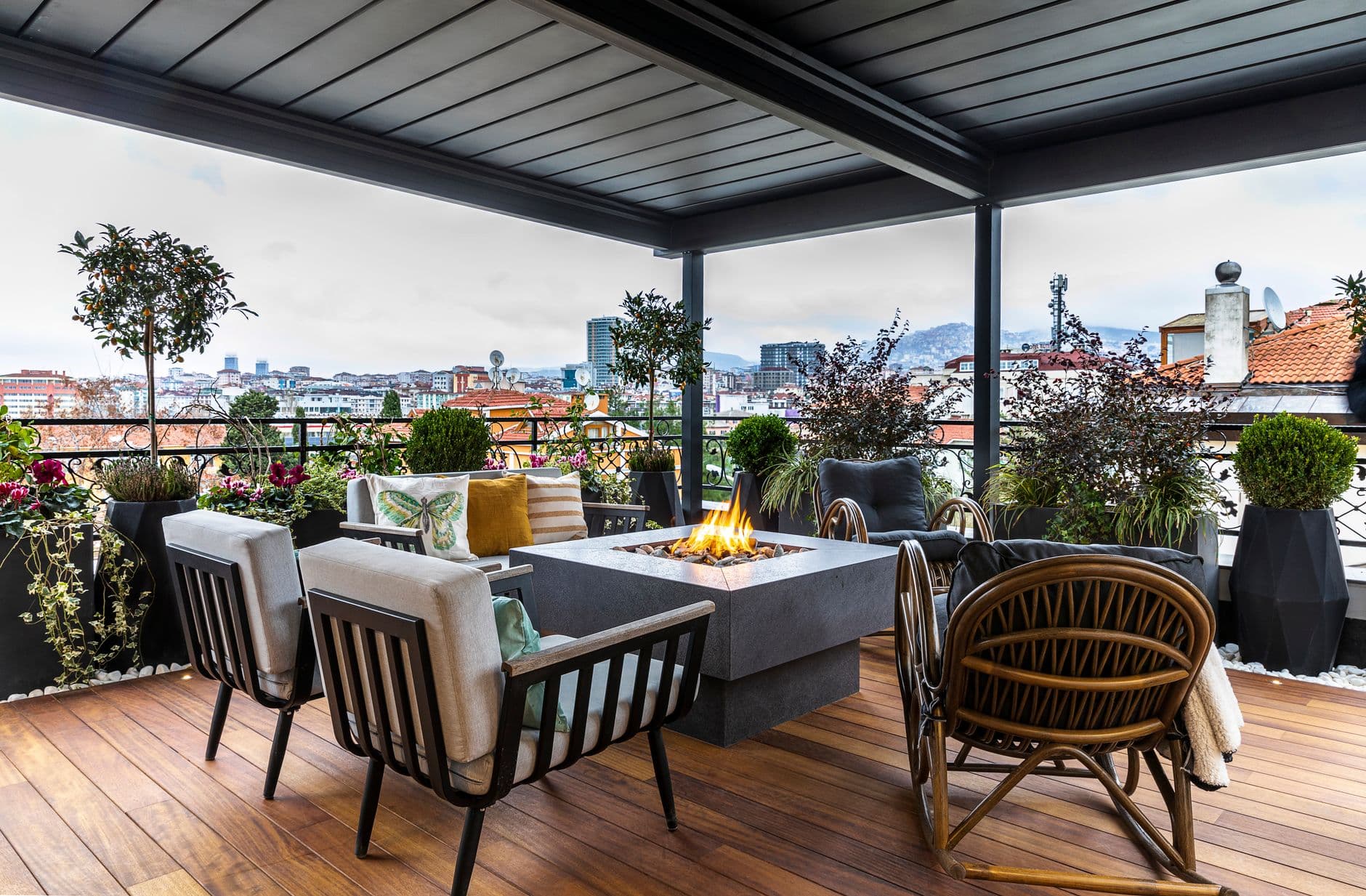
The smallest space in this list, a four-square-metre balcony in Munich, follows every rule the courtyards do, shrunk to fit. One large planter anchors the corner with a small multi-stem shrub, its size doing the work ten small pots would fail at. Bamboo in a trough softens the railing and screens the neighbours; slatted timber deck tiles warm the concrete underfoot; one folding chair faces the evening sun.
On a balcony, one serious planter beats ten small pots. The collection instinct is the enemy: small pots dry out by August and read as clutter. One generous volume holds moisture, holds a real plant, and holds the whole composition. A garden is not a matter of ground. It is a matter of intent.
If your space is measured in single digits, start with the tree or the planter, whichever fits. Everything else in this list is a second season problem.