The Noguchi Table Everyone Copies and Nobody Gets Right
A three piece table with no metal fasteners has been in production since 1947 and copied constantly since. Almost nobody copying it gets the base right.
Written by Vestados Editorial · 25 August 2026
Isamu Noguchi called it his best piece of furniture design, and it has outlived every trend that followed it. The table is three parts: a free form glass top and two interlocking walnut legs that hold themselves up without a single screw. Herman Miller put it into production in 1947, and it never really left. What most reproductions miss is not the shape. It is the tension in that base, the exact geometry that lets two curved pieces of wood balance a full sheet of glass on nothing but friction and weight.
A commission that became a signature
Noguchi first shaped a version of this table in 1939 for the president of the Museum of Modern Art. He reworked it in 1944 for a magazine piece on how furniture gets made, tightening the proportions until the base could hold the glass on its own. By the time Herman Miller launched it in 1947, the design had already been refined twice. That history is why the table reads as inevitable rather than decorative. It was solved, not styled.
Three pieces, no fasteners
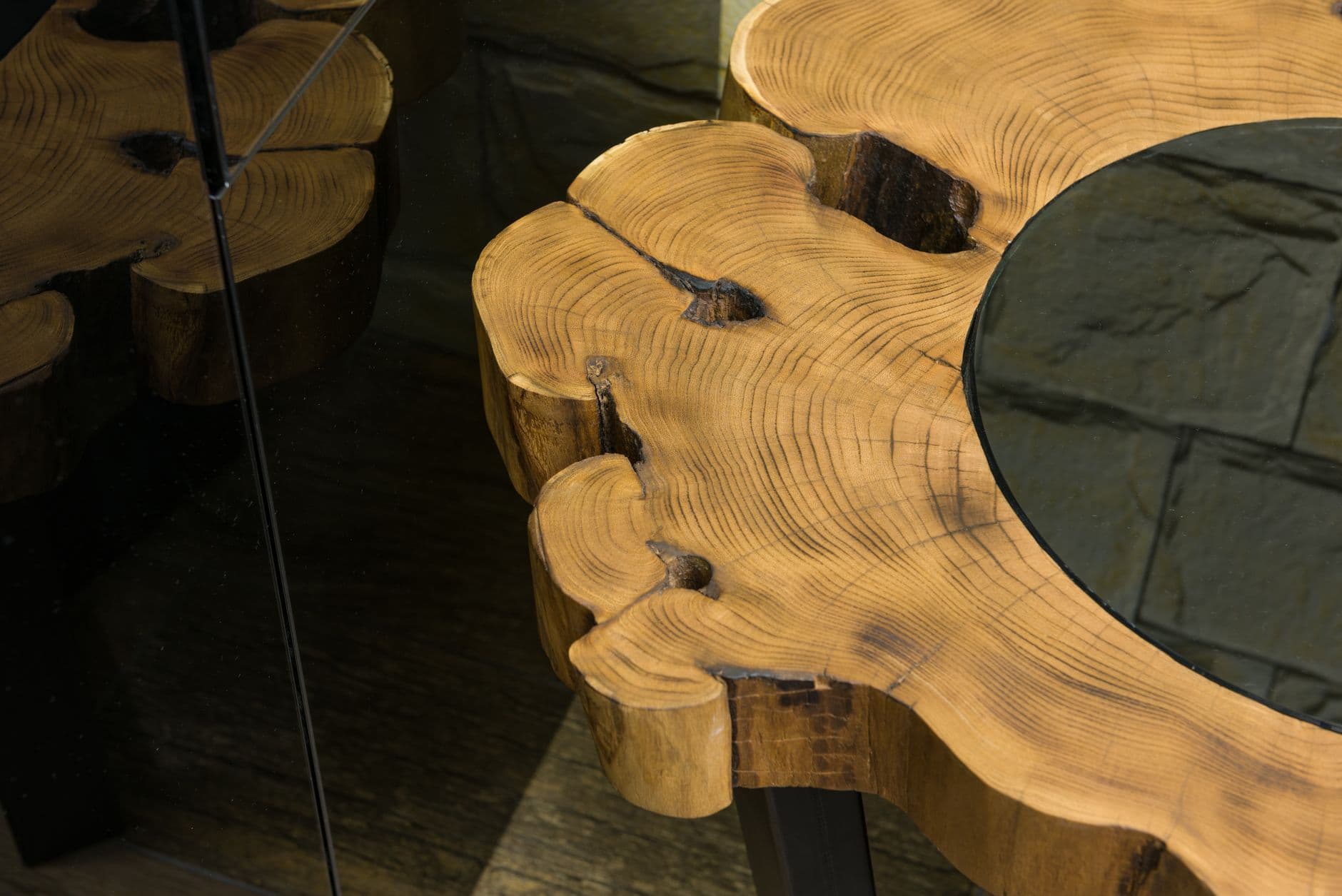
The entire table is a glass top and two curved walnut legs that interlock at the center and rotate to lock the glass in place. There is no metal anywhere in the joint. That single decision is what makes the table look weightless from most angles and disappear against a wood floor. Cheaper copies add a bolt or a metal pin at the join because getting the wood tolerances right without one is difficult and expensive to manufacture at scale.
Why the cheap versions feel wrong
Most reproductions get the silhouette close enough from a photograph. What they lose is the exact curve of the legs, which has to carry real structural load, and the thickness and polish of the glass edge, which is what catches light on the original. A slightly thinner top or legs cut a few degrees off changes how the whole piece sits in a room. It stops looking self supporting and starts looking propped up, even if nobody in the room could say why.
Where it actually works in a room
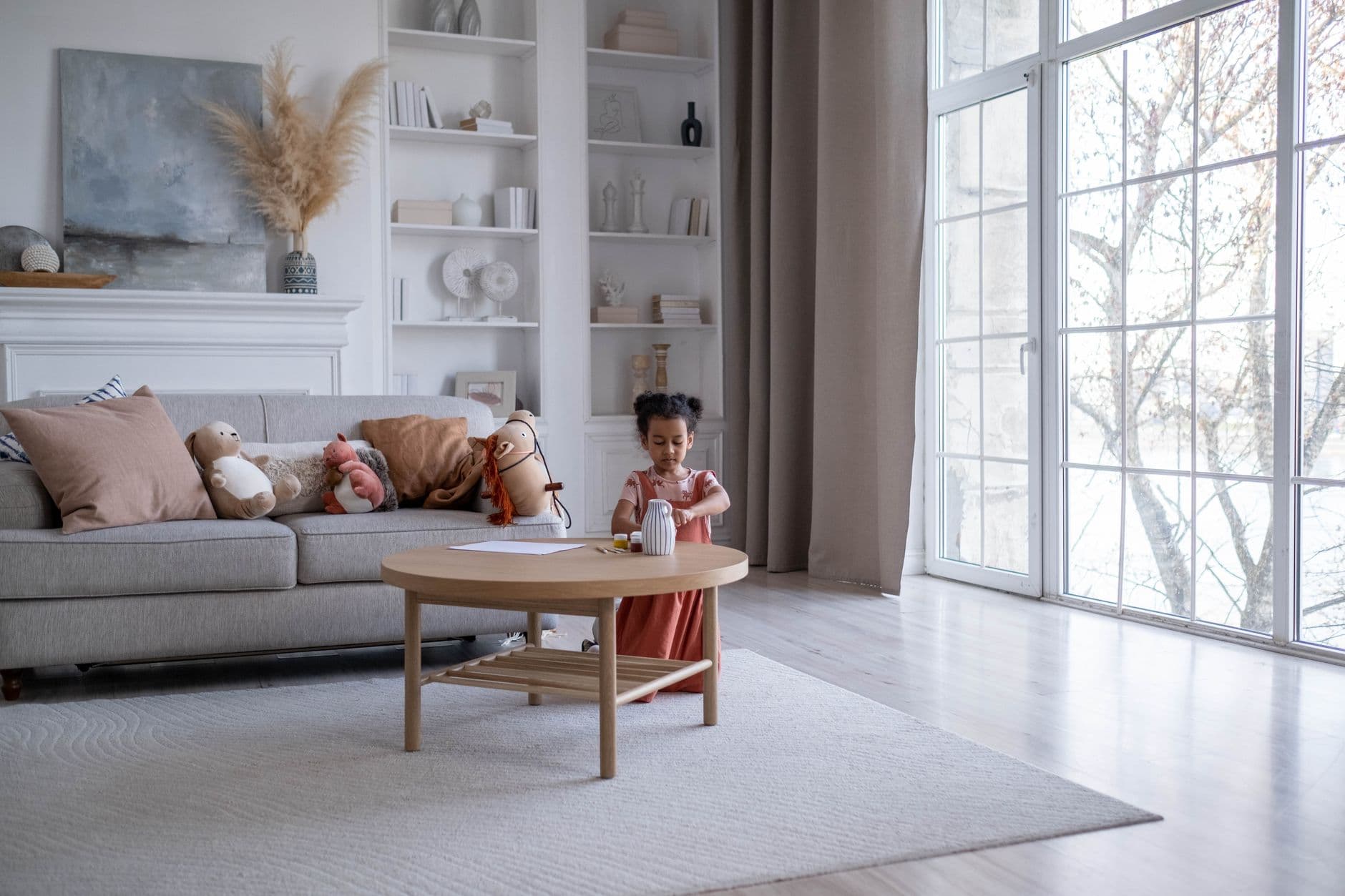
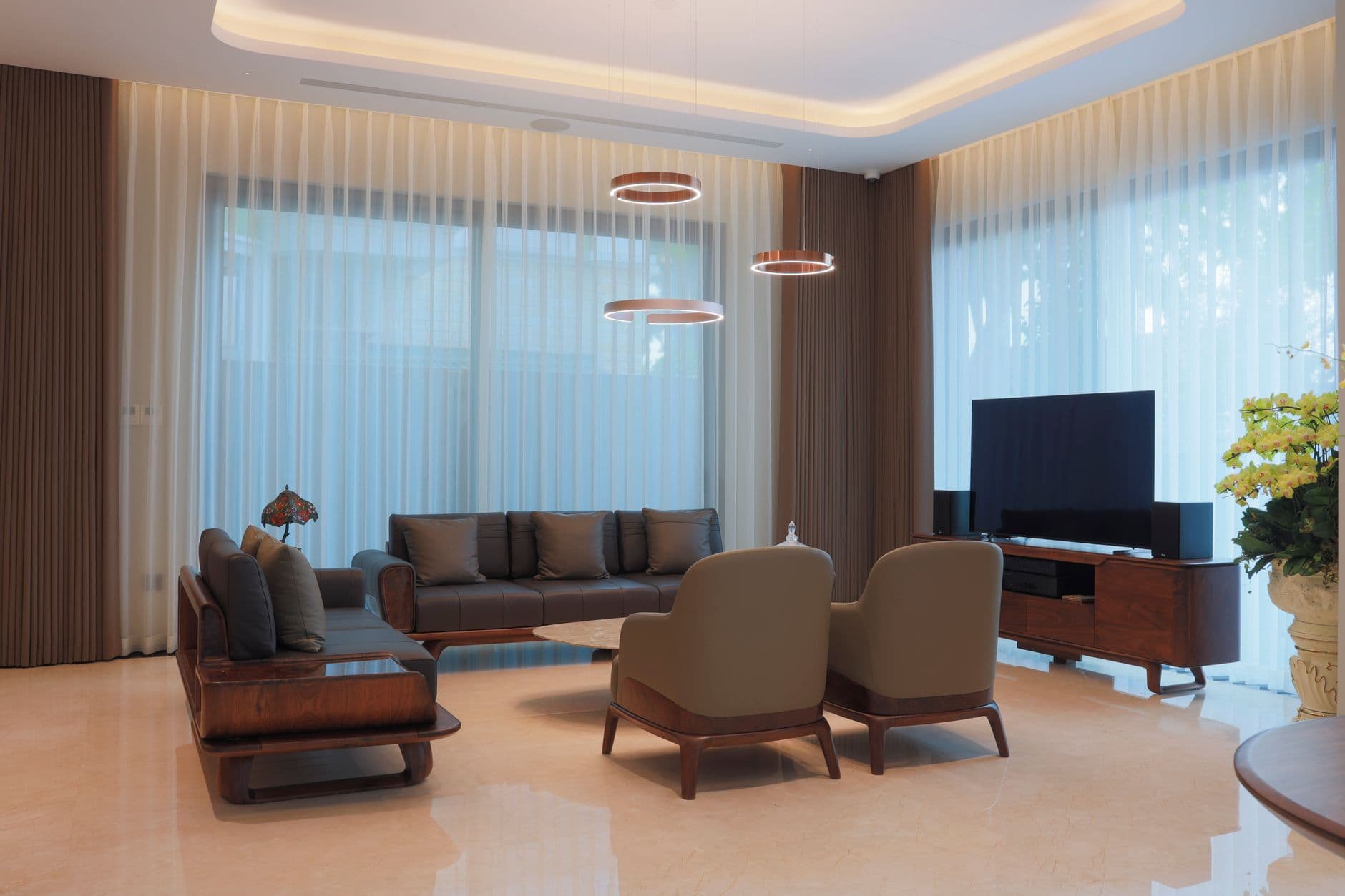
The table asks for space around it and a floor worth showing, because the negative space between the legs is part of the design. It sits best on oak or polished stone rather than deep pile carpet, next to a low sofa rather than a tall one, so the eye can travel underneath the glass instead of stopping at the frame. In a room already full of pattern or ornament it disappears into noise. In a quieter room it becomes the one thing worth looking at twice. Once it has that space, treat what sits on the glass the way you would any coffee table: an odd number of objects, nothing that hides the base underneath.
The version worth choosing
Herman Miller and the Noguchi Museum still produce the table under license, in natural or ebonized walnut with a clear or black glass top, built to the original tolerances. Original Herman Miller production from the decades after 1947 turns up at auction and carries its own patina. Everything else is an interpretation, some closer than others, and worth buying only once you know exactly what you are trading away.