What A Boucle Armchair Actually Gives A Room
Boucle looks soft in every photograph. Here is what the fabric is, how it differs from tweed, and what to check before you buy a chair in it.
Written by Vestados Editorial · 6 July 2026
Affiliate disclosure: some links earn us a commission if you buy something, at no extra cost to you.
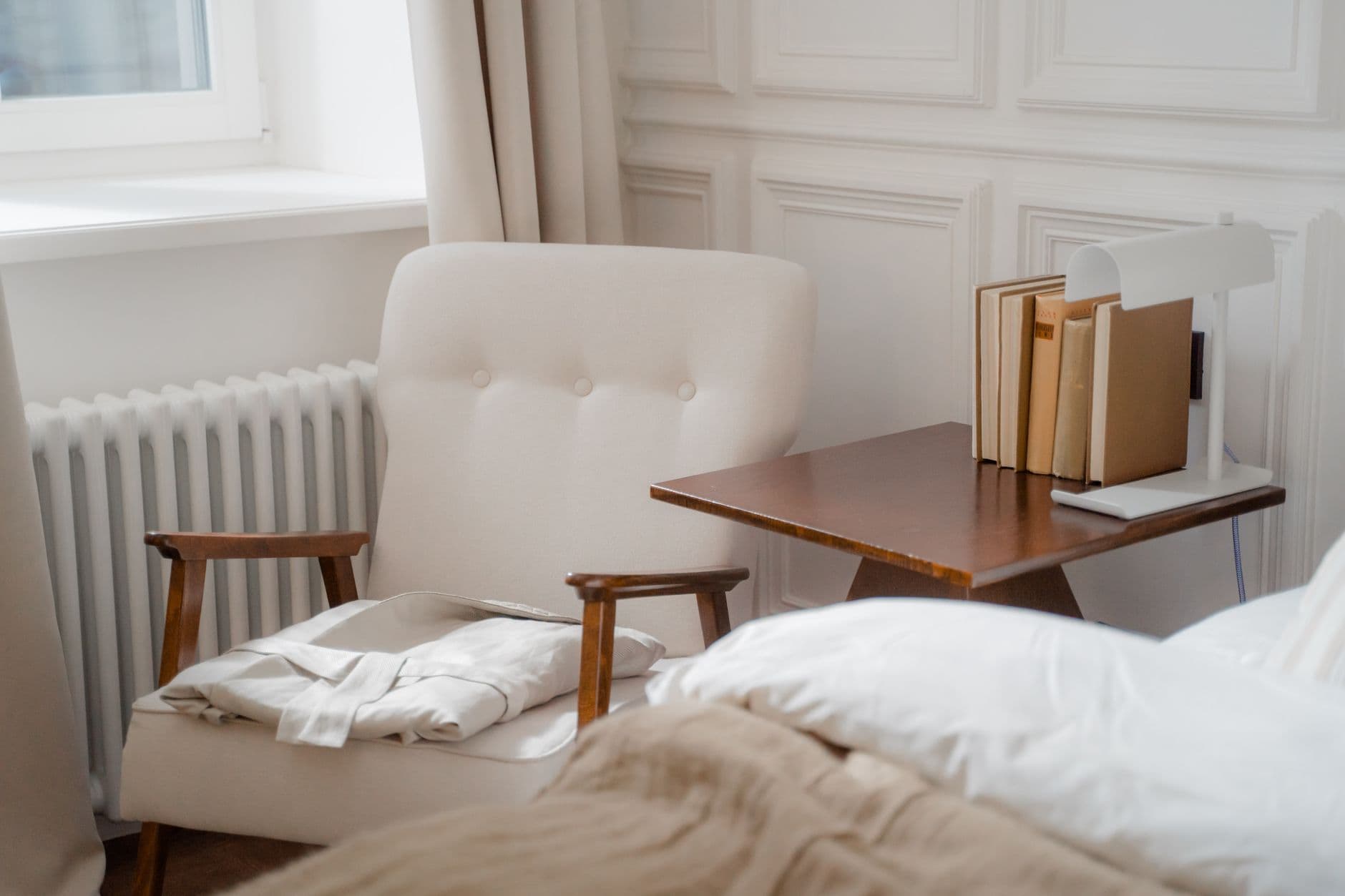
A boucle chair photographs well because the fabric catches light in small loops rather than a flat weave, and that texture reads as comfort before anyone touches it. The real question is whether it holds its shape after two years of a dog, a dinner party, and a coffee cup balanced on the arm.
The Knit Itself
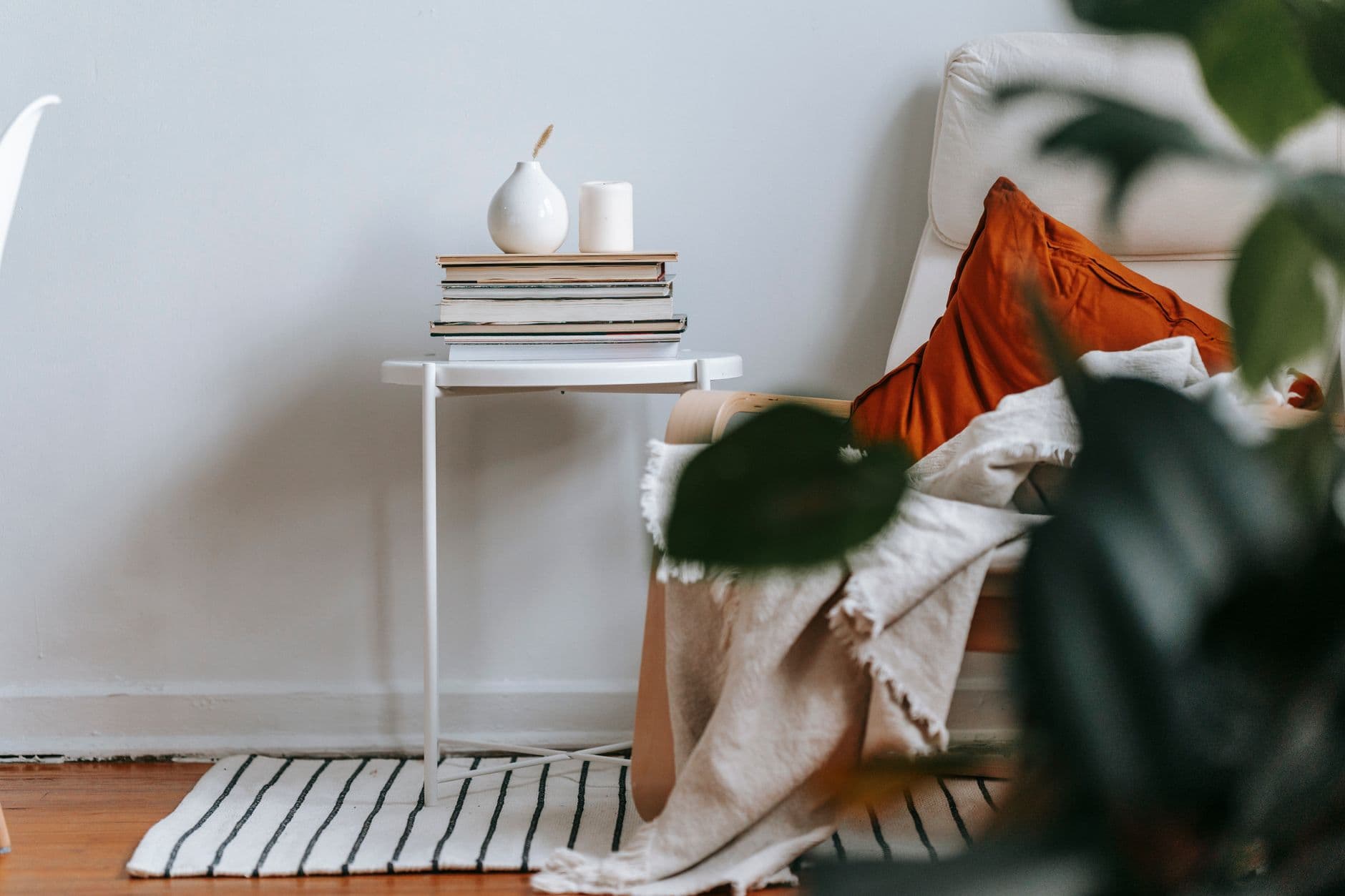
Boucle comes from the French word for curled, and it describes a yarn rather than a fibre. The thread is spun with small loops or knots along its length, then woven or knitted into a surface that looks bobbled and feels slightly furry to the hand. Traditional boucle was wool, often looped over a cotton or linen core. Most furniture-grade boucle now blends polyester or acrylic into that structure, which is what gives it the springiness to bounce back after someone sits down. A boucle chair, then, is simply an armchair upholstered in this looped fabric, usually on a rounded, low-armed frame that echoes the softness of the material. The style got its second life from 1950s French pieces by designers like Pierre Guariche, and it has been reissued constantly since, which is why so many boucle chairs still look faintly retro even in new houses.
Armchair Versus Sofa, And Why It Matters Here
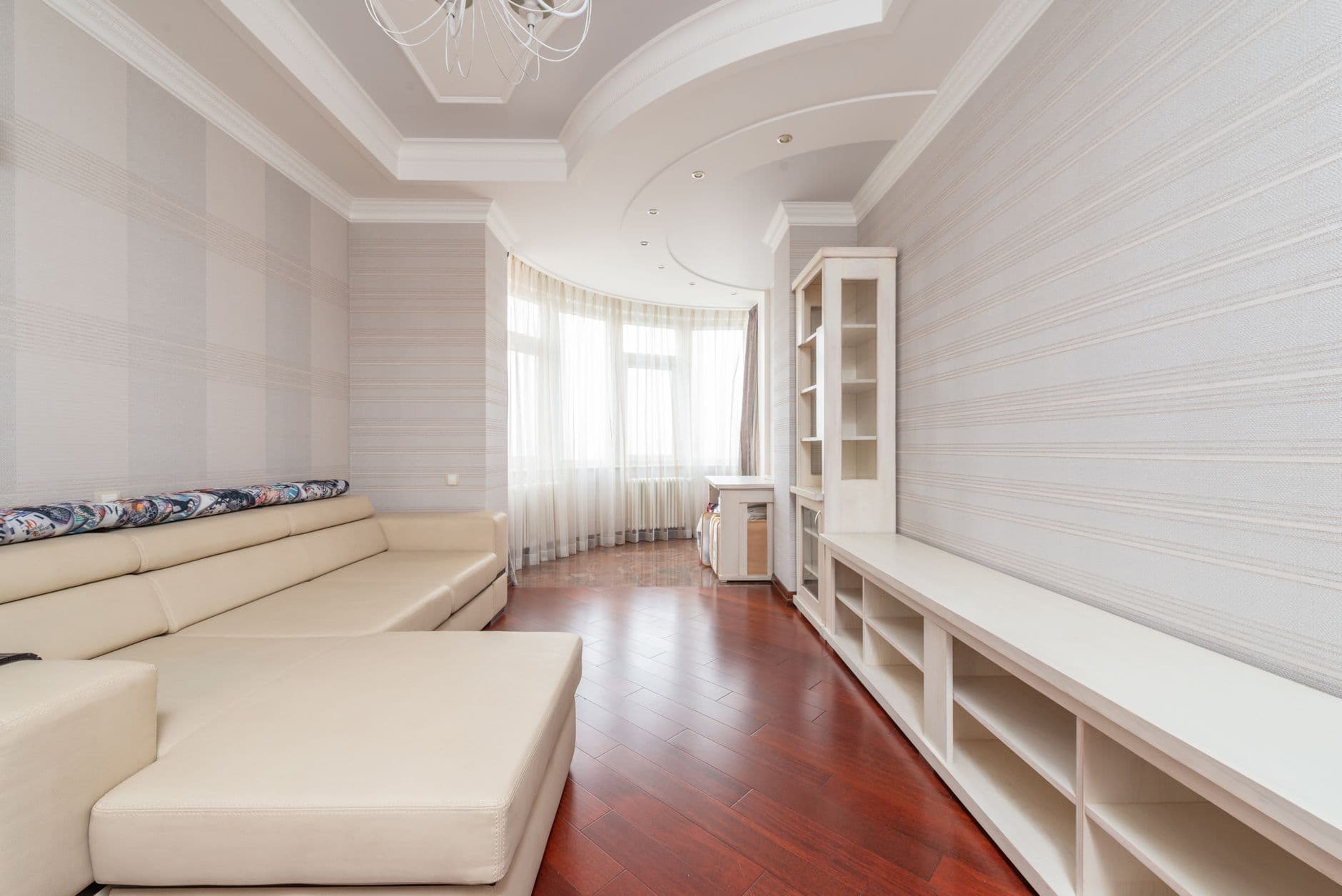
An armchair seats one person and stands on its own; a sofa is built around a shared frame, usually two to four seats wide, with a longer run of cushions and arms that bear more weight over time. That distinction matters more with boucle than with most fabrics. The looped surface shows wear at pressure points faster than a flat weave, and a three-seat sofa in constant use has three times the pressure points of a single chair. Boucle earns its keep on an armchair, where it gets moved into and out of rather than sat on continuously, and where the texture reads as a considered accent piece rather than the main upholstery decision of the room. If you want the look on a larger scale, a boucle sofa is fine as a second or third piece of furniture in a room, never the workhorse everyone piles onto after dinner.
Boucle Against Tweed
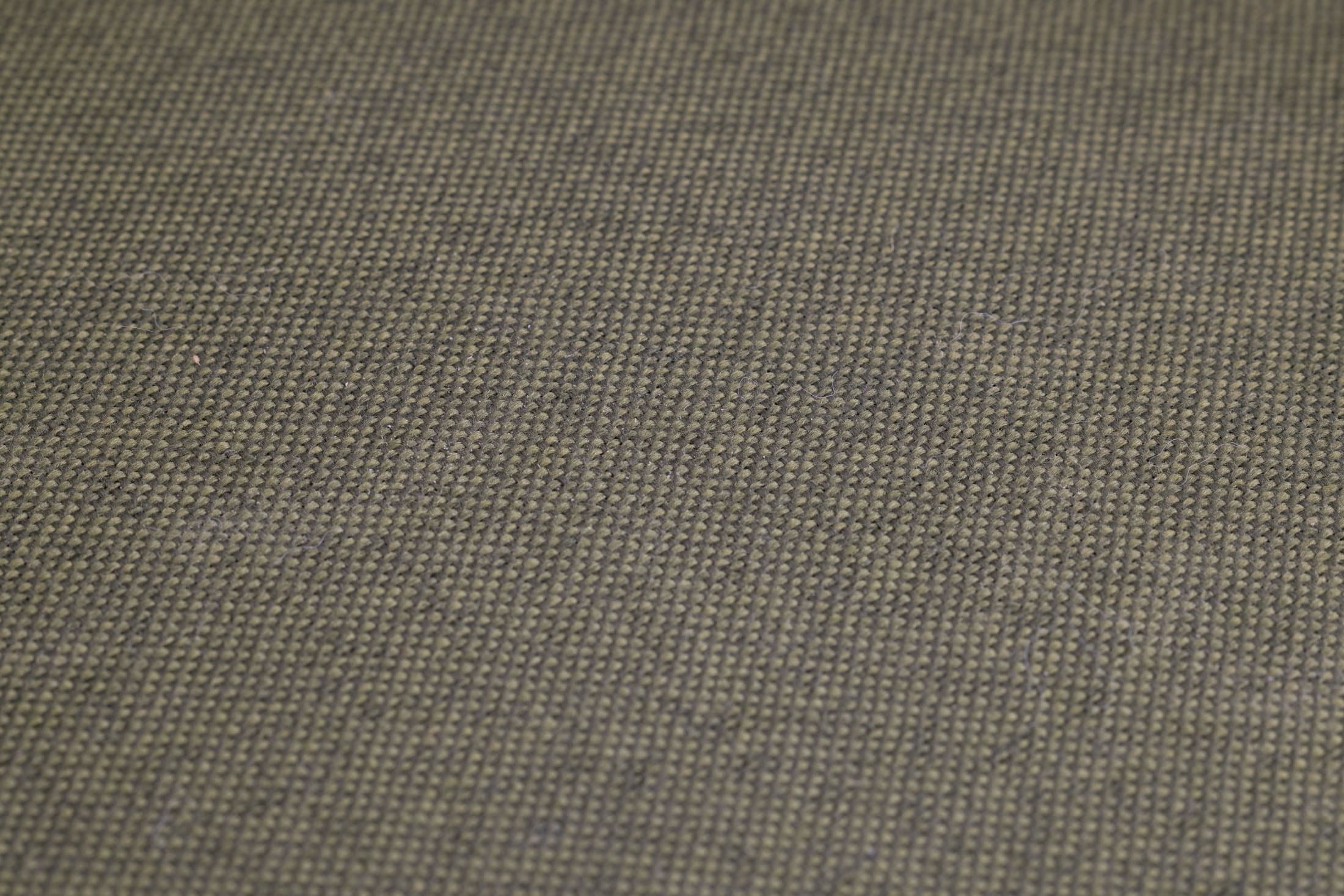
The two get confused because both look nubbly from across a room, but they are made differently and behave differently underfoot, or under a hand. Tweed is a woven fabric, usually a twill weave of hardwearing wool, with a relatively flat surface and its texture coming from mixed coloured yarns rather than loops. Boucle's texture is structural, not visual; it is the loop itself that catches light and dust. That makes tweed the more hardwearing choice for a chair that gets heavy daily use, since a flat weave resists snagging from a cat's claw or a coat zip far better than a looped one. Boucle is softer to the touch and looks better in pale, single tones. Tweed suits a study or a hallway chair. Boucle suits a chair you actually want to sink into.
Footstools And Covers
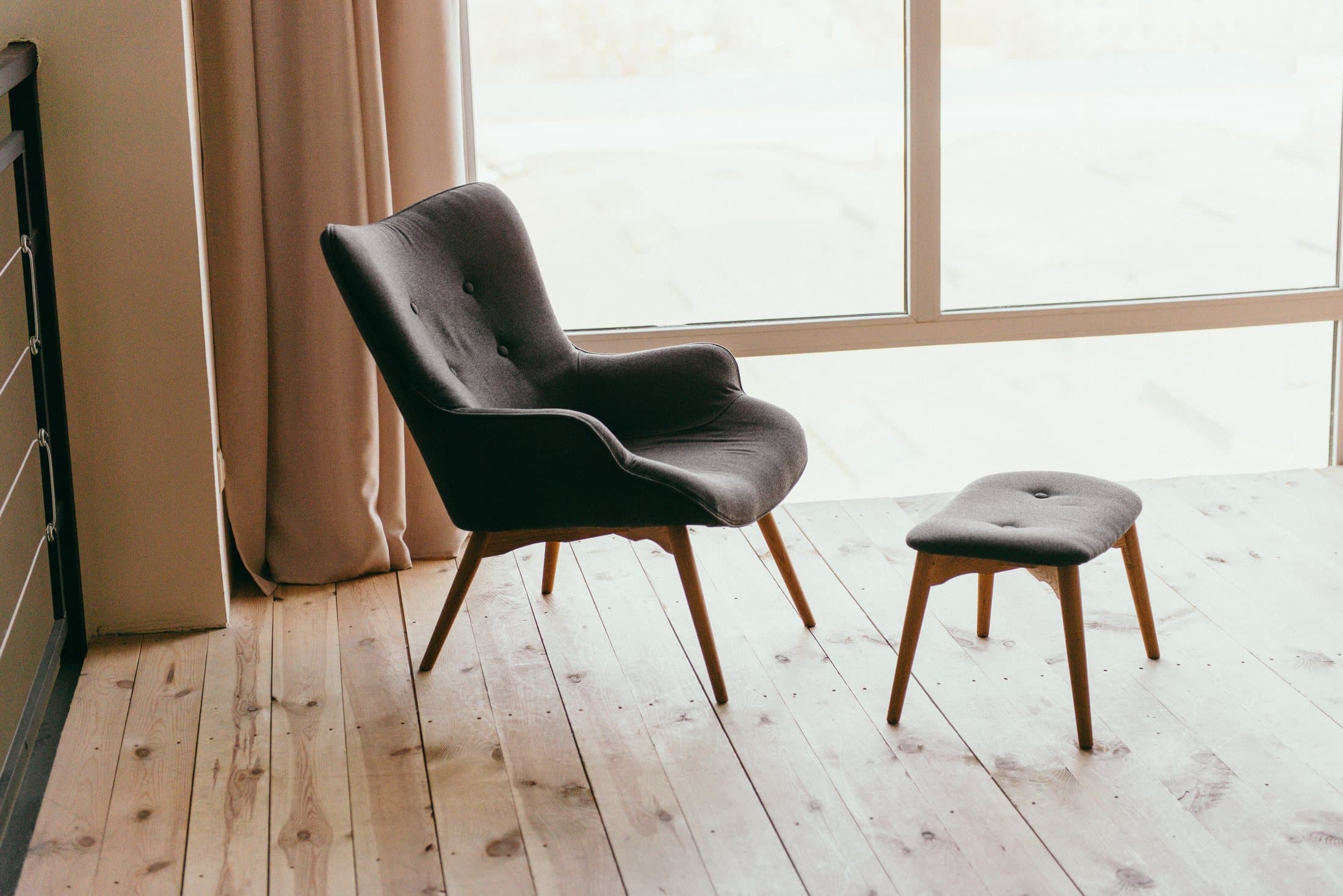
Buying the footstool with the chair, not after, is the easiest way to avoid a mismatched pair later, since boucle dye lots shift slightly batch to batch and a footstool ordered eighteen months on rarely matches exactly. Most manufacturers sell them together for this reason. On covers: boucle cannot be steam cleaned the way a linen or cotton cover can, because heat flattens the loops permanently. A removable, zip-off cover in a polyester-heavy boucle blend is worth the extra cost, since it means the chair can go in for a cool machine wash rather than relying on spot cleaning with a dry cloth, which is the only safe method for a fixed cover. If children or pets are in the house, treat a removable cover as essential, not optional.
What To Look For Before You Buy
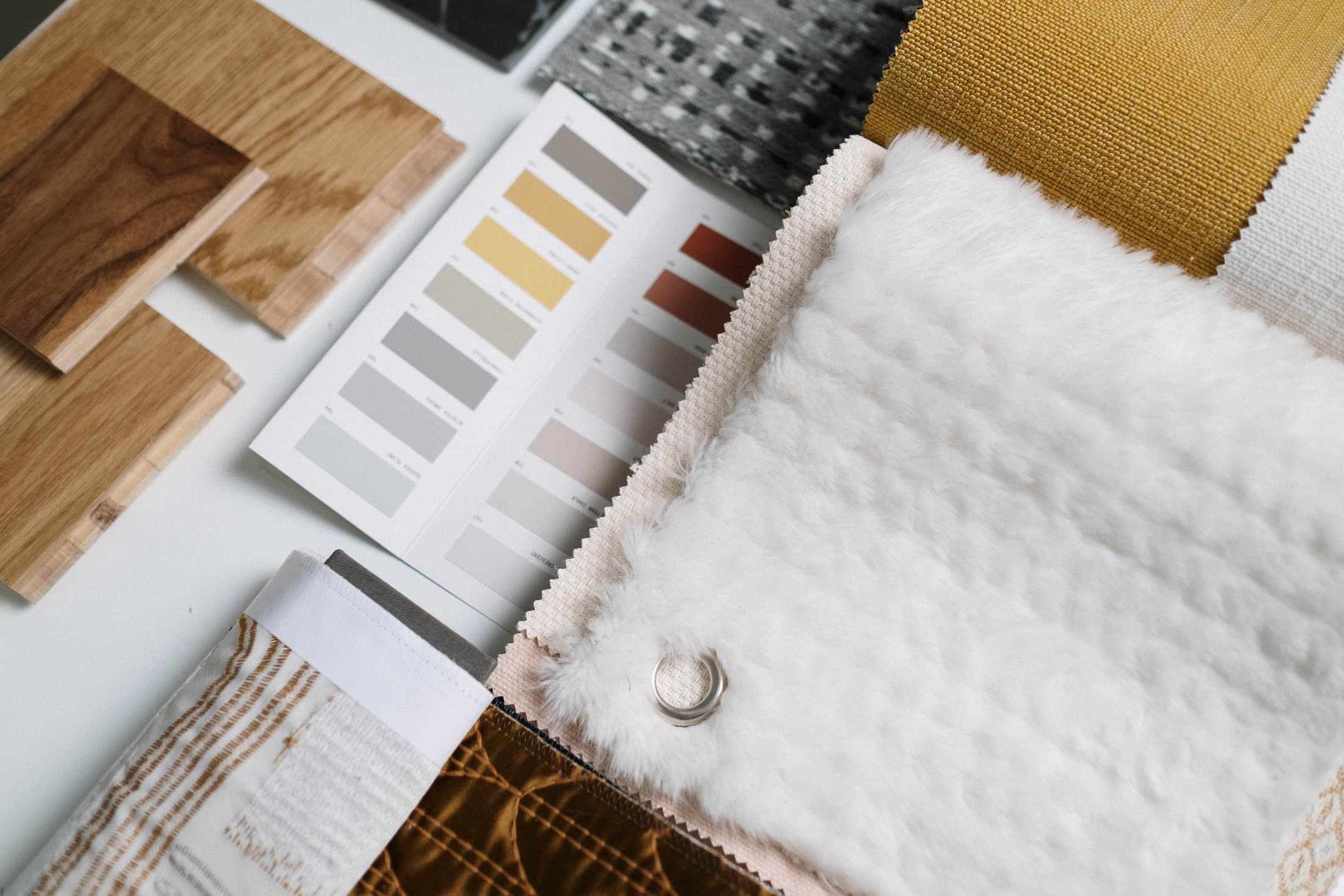
Check the fibre content before anything else. A blend of around 70 to 80 percent polyester with the rest wool or cotton resists pilling far better than pure wool boucle, which mats after heavy use. Look for a fabric weight above 400 grams per square metre; anything lighter tends to flatten within a year. Frame matters as much as the fabric: solid beech or ash legs, not veneered pine, will carry the chair through several reupholsters if you ever tire of the colour. Stick to a single tone rather than a fleck for a first purchase, oatmeal, chalk, or a muted sage all wear well and hide dust between cleans. If a matching footstool exists, buy it now rather than chasing the dye lot in a year. And ask specifically whether the cover is removable before you pay, since that one detail decides how the chair looks in five years, not five months.
Ready to compare boucle chairs?
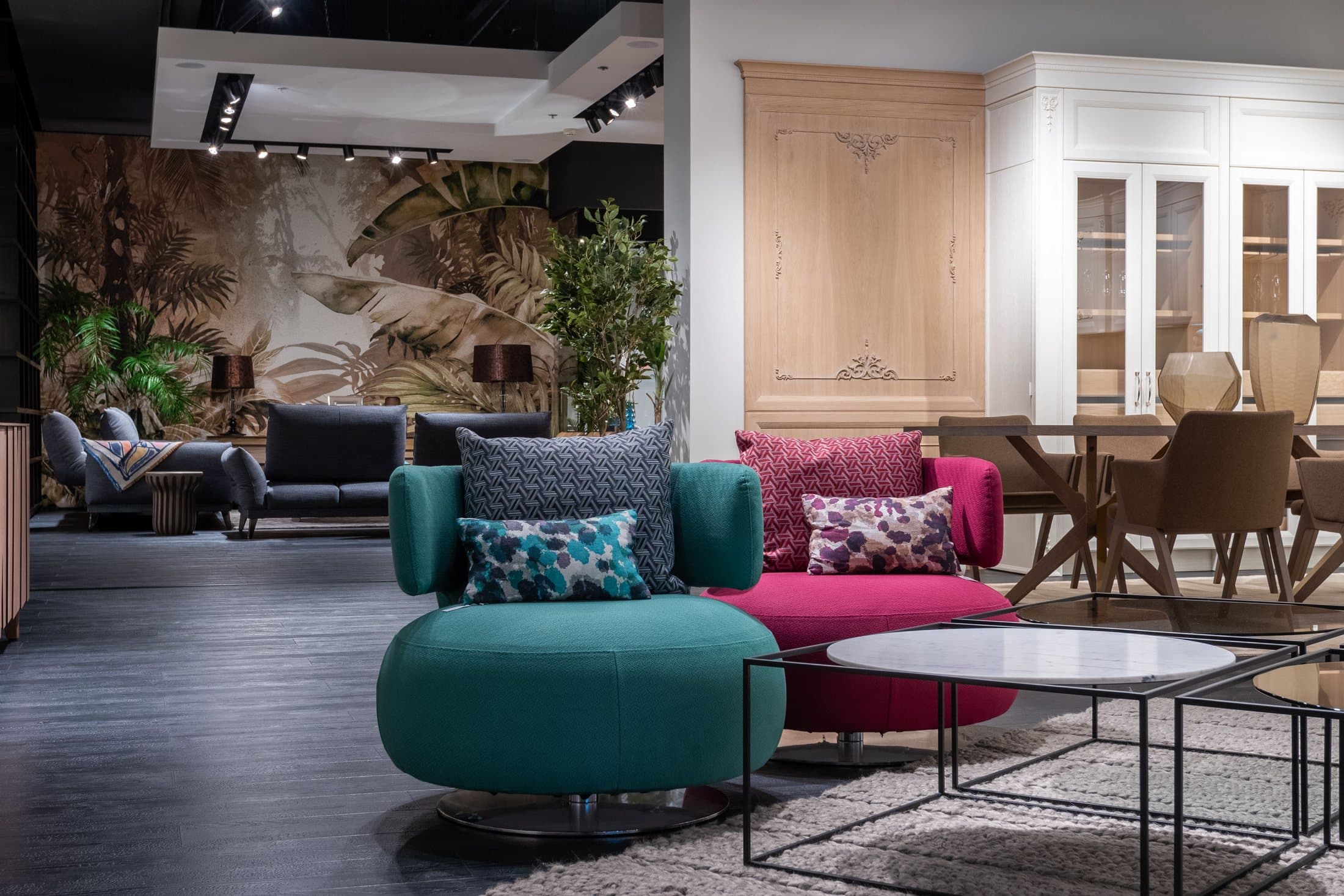
LoomLan currently lists boucle options in its accent-chair range, including the Faye chair in black or beige boucle. The tracked link opens LoomLan, and Vestados may earn a commission if you buy through it; verify overall and seat dimensions, frame construction, upholstery fibre content, abrasion rating, care instructions, stock, doorway and elevator access, delivery method and the current return terms before ordering. If you choose a clearance item, LoomLan states that clearance sales are final.