How to Mix Old and New Furniture Without Turning the Room Into a Theme
The convincing mixed room is not a fifty-fifty exercise. It gives one piece authority, repeats a few visual clues and leaves enough space for age to remain visible.
Written by Vestados Editorial · 6 August 2026
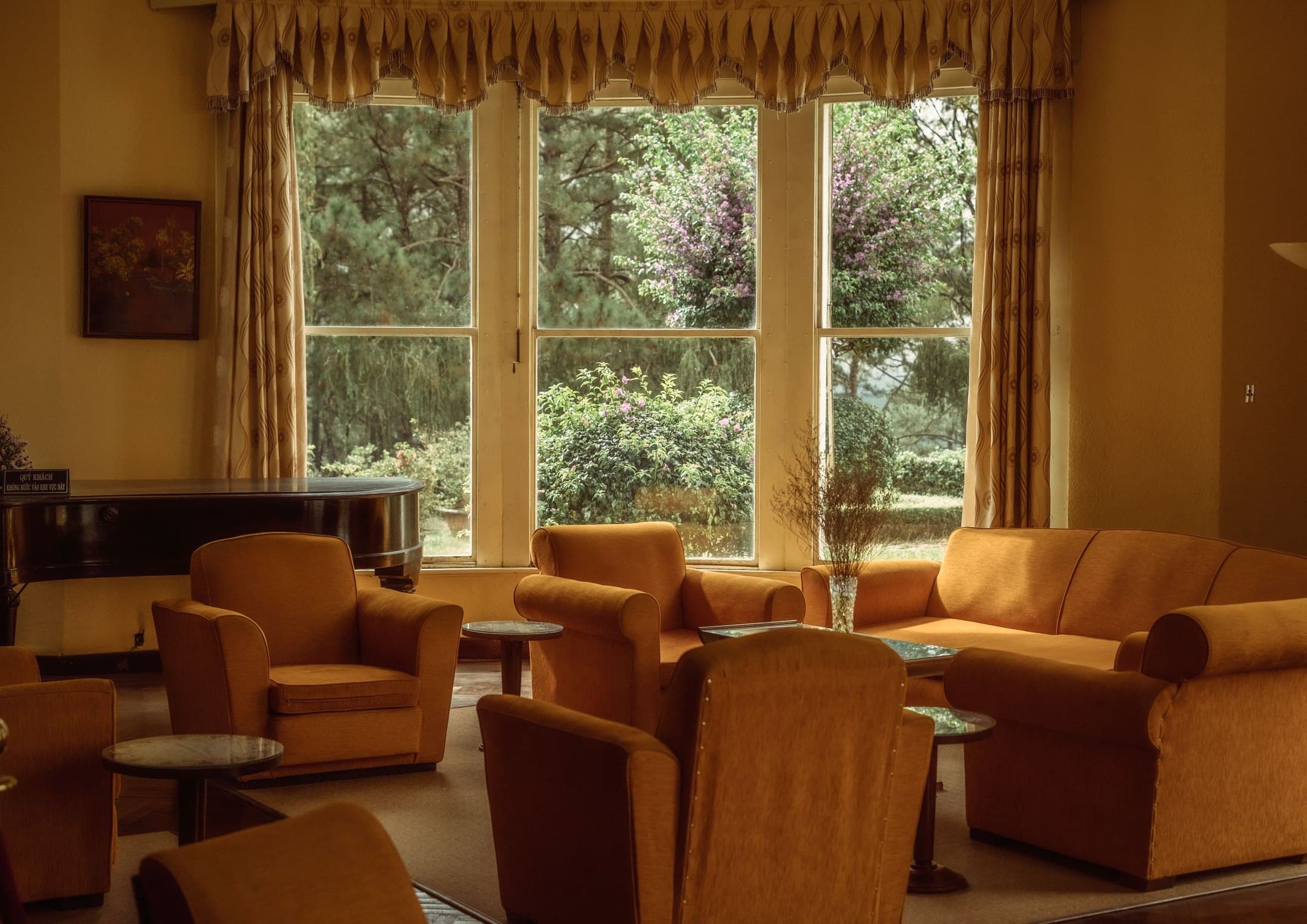
A room assembled in one afternoon is easy to recognise. The wood tones agree a little too perfectly, every leg belongs to the same family and nothing carries evidence of another life. The opposite mistake is equally familiar: a collection of vintage finds pressed together until the room begins to resemble a dealer's stall. Mixing old and new is not a question of reaching an even ratio. It is editing. One piece is allowed to set the pace, another supplies contrast, and several less vocal objects make the relationship believable. Age should remain visible without becoming the subject of every sentence. New furniture should provide comfort, light or useful storage without erasing the character already present. The work is done through scale, repeated materials, clear circulation and an honest view of condition. When those are right, a nineteenth-century table can meet a recent chair without either pretending to be the other. The room feels collected because the connections are precise, not because every object shares a date.
Choose which period gets to speak first
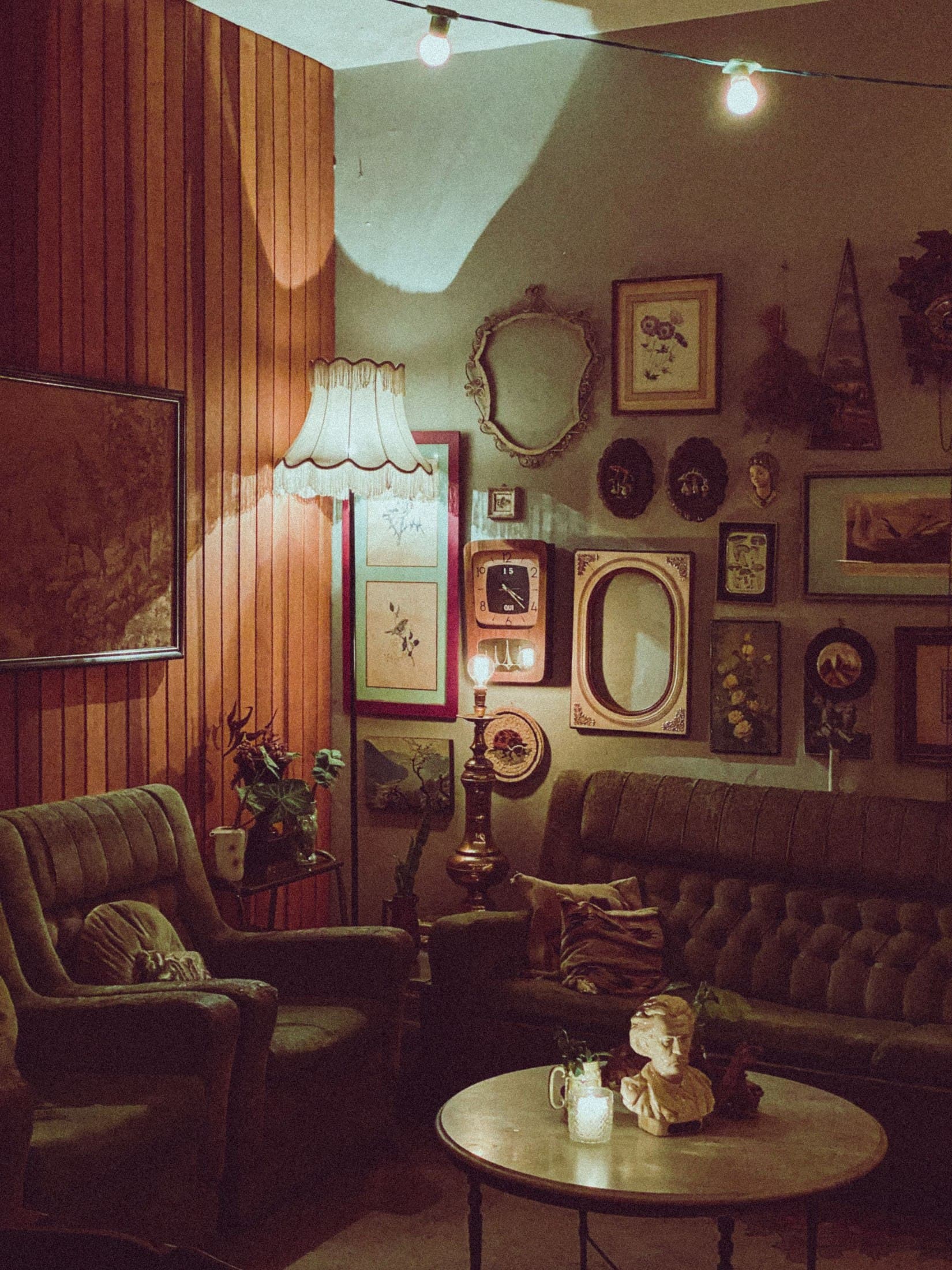
Begin with the object that would be hardest to replace. It might be an inherited cabinet, a marble table, a seventies lounge chair or a battered farm bench with exactly the right length. That piece becomes the anchor, which does not mean everything else must defer to its style. It means its scale, colour and visual weight are recorded before the next purchase. Measure it, photograph it in daylight and identify what gives it presence. A high cabinet may dominate through height; a dark table through mass; a small gilt mirror through brightness. The new furniture should answer that specific quality rather than imitate the period. A low contemporary sofa can release space around a tall cupboard. A plain woven rug can calm an elaborate table. A crisp lamp can make a carved chest look purposeful rather than nostalgic. If two old pieces both want the same wall, separate them or move one to another room. Age is not a reason to grant every object equal billing. The room needs a leading voice and supporting ones. Once that hierarchy is clear, the mixture becomes easier because the task is no longer abstract. You are not mixing eras. You are deciding what the eye should meet first, where it should rest and which object deserves a closer second look.
Repeat a clue, never the whole costume
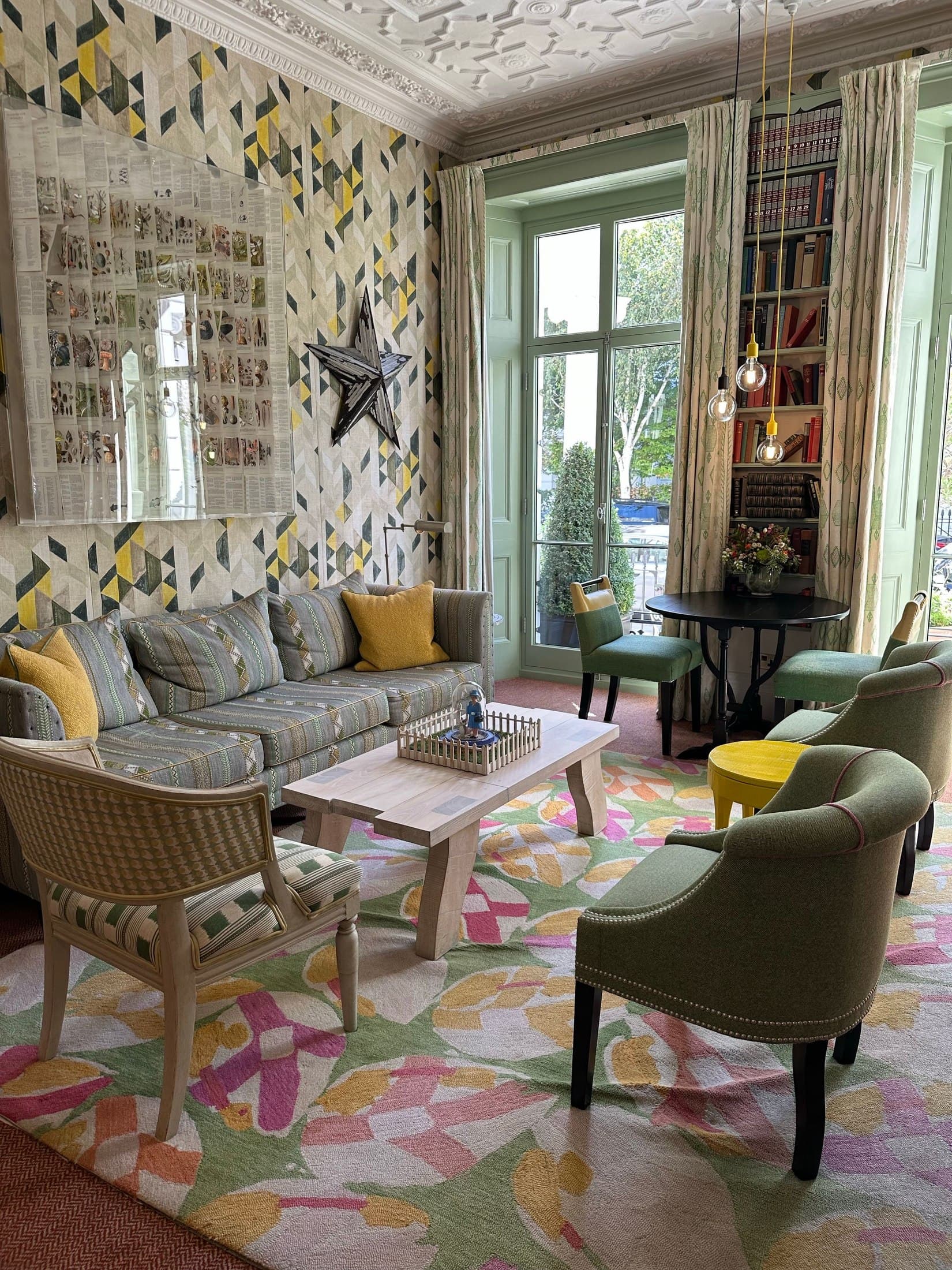
Connection matters, but literal matching is where a mixed room can slide into theatre. If an old chair has a curved back, the new sofa does not need cabriole legs. It might simply carry one rounded arm or sit beside a circular table. If a walnut cabinet has warm brass hardware, repeat the brass once in a lamp or picture frame, then stop. Three repetitions are usually enough for the eye to register intention. Colour can do the same work. Pull a muted green from an old tapestry into a new cushion, or use the cream found in a worn marble top as the wall colour. Keep the reference slightly indirect. The aim is to build a visual sentence, not a costume department. Timber is the place where people most often overcorrect. An oak floor does not require an oak table, and two pieces described as walnut may differ sharply in colour. Look for compatible undertones and grain scale instead of identical species names. A darker piece can sit well with a pale one when both share a warm cast. Metal finishes can vary too, provided one is clearly dominant. The best mixed rooms allow the gap in age to remain legible. The contemporary object should look contemporary. The older piece should retain the joins, wear and proportion that made it worth keeping. Repetition simply gives them a reason to share the same room.
Proportion is a stricter editor than style
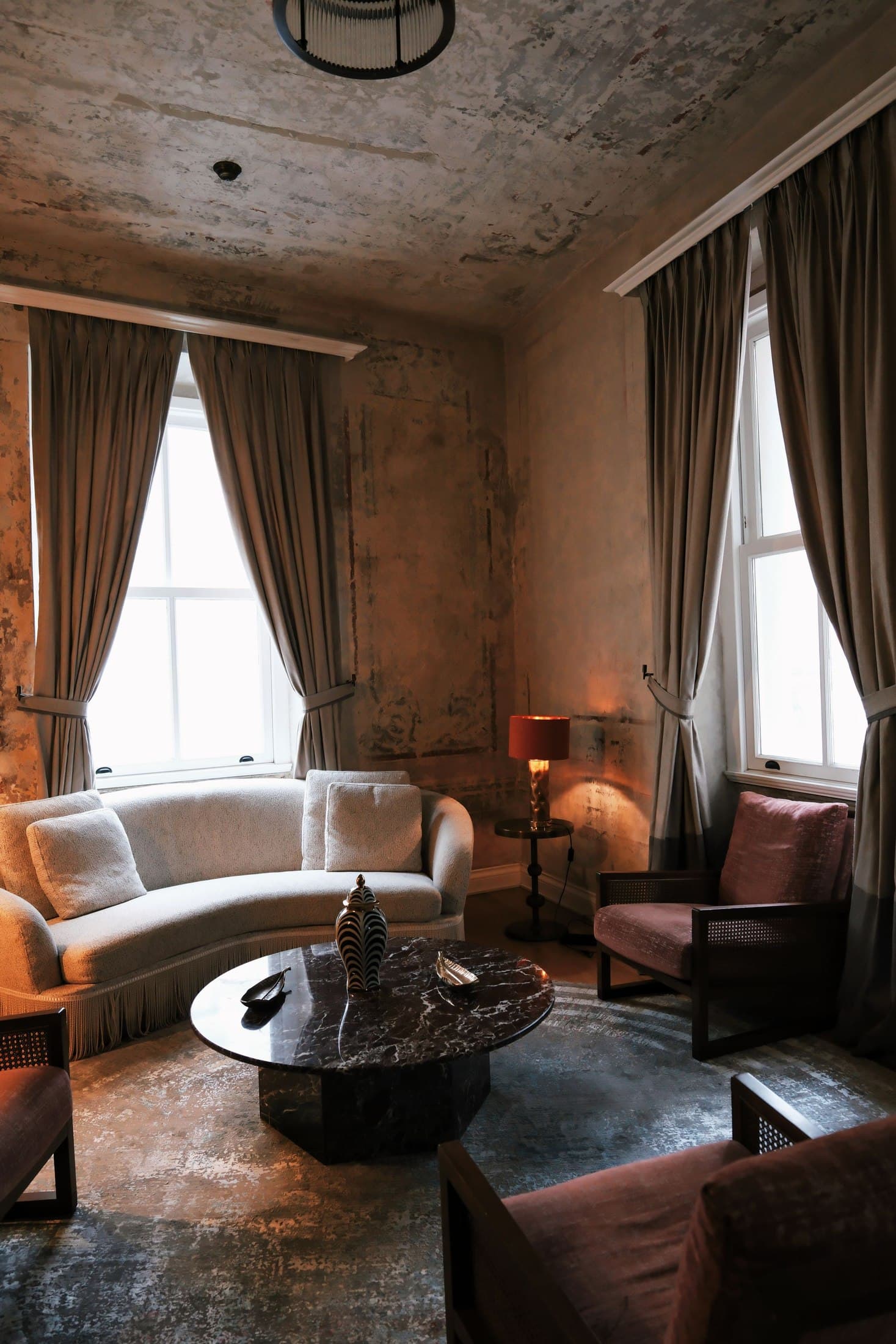
A low mid-century chair beside a deep current sofa can look elegant in a photograph and feel socially awkward in use. One sitter looks down while the other climbs out. A narrow antique side table may be beautiful, yet useless beside an oversized arm because its surface sits too far away. Before discussing style, compare dimensions. Record seat height, overall height, depth, arm height and the clear route around each piece. Group seats whose cushions land within a sensible range. Let a tall object stand alone rather than flanking it with another of almost the same height. Keep the top of a side table close to the seat or arm it serves. Use cardboard or painter's tape to mark unfamiliar footprints on the floor. The test is especially important with vintage furniture, which often comes from rooms, bodies and domestic habits different from ours. Older dining chairs may have compact seats; contemporary sofas can be very deep; wardrobes may not accept modern hangers. None of those facts makes the piece unusable. They decide its role. A compact chair might become an occasional seat rather than part of a six-person dining set. A shallow cabinet could hold glassware rather than media equipment. When scale is right, strong stylistic contrast feels deliberate. When scale is wrong, even furniture from the same collection looks uncomfortable.
Keep the wear that explains the object
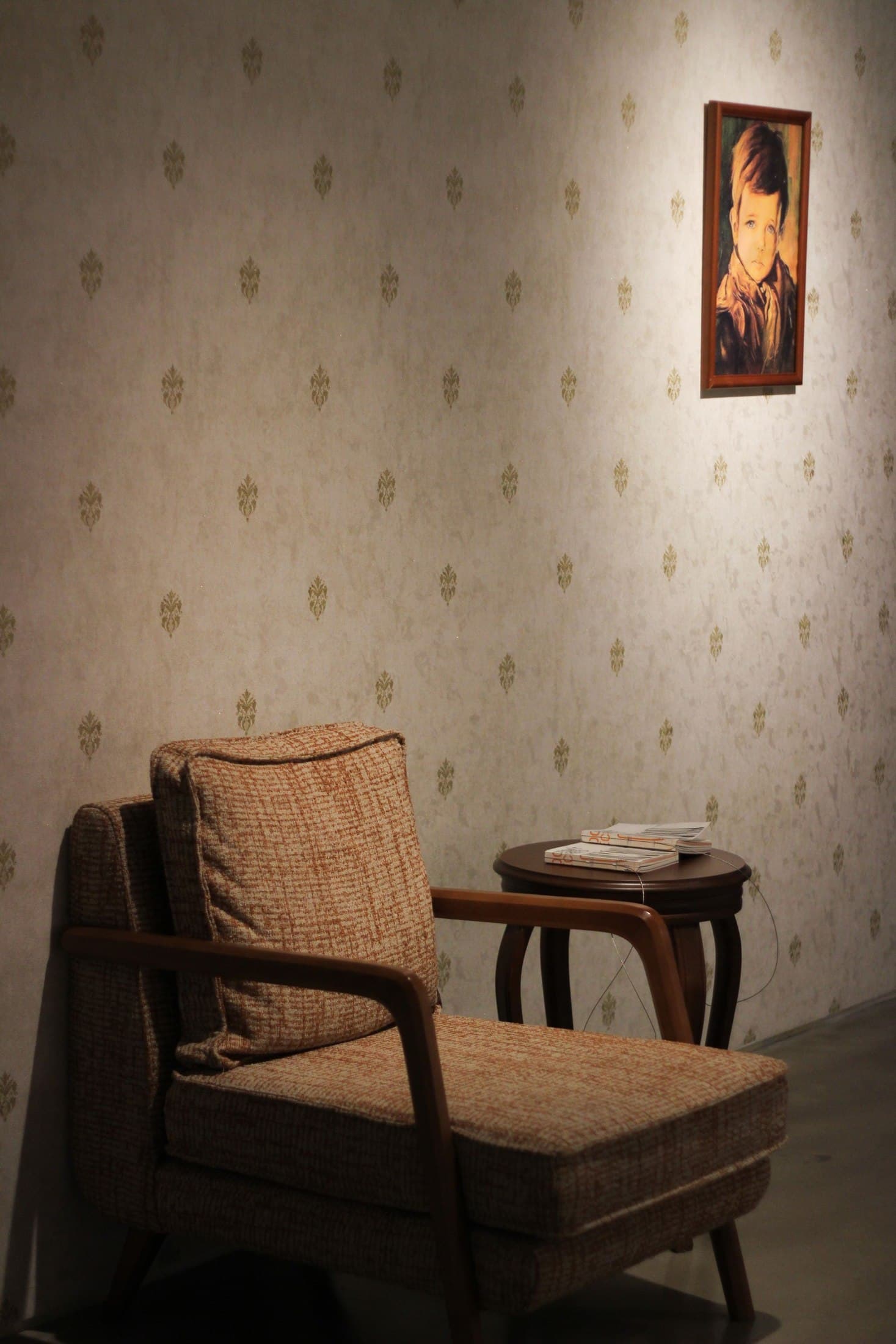
Age becomes attractive when it is evidence rather than dirt. The rubbed edge of a drawer, a faded patch beneath a handle or a repaired joint can tell us how furniture was used. Sand all of that away and an old piece may become merely old-shaped. The Canadian Conservation Institute advises caution with original finishes, light, moisture and commercial polishes. It also notes that wood does not need to be fed with oil, despite a durable piece of household folklore. Start with condition, not cosmetics. Check loose joints, active insect damage, lifting veneer, unstable marble and upholstery that has lost support. Photograph labels, marks and old repairs before work begins. Dust gently and ask a conservator or experienced restorer when the finish, age or value is uncertain. Structural repair can be necessary; wholesale refinishing often is not. In a mixed room, preserved wear does valuable visual work. It gives a new sofa, fresh plaster wall or precise built-in something to contrast with. The new object then does not need artificial distressing. Let it be clean and current. This distinction also makes future maintenance simpler. A new lacquered table and an old waxed cabinet may require different care, so keep notes from the seller or restorer. Respecting age does not mean leaving furniture unsafe or unusable. It means separating the marks that tell its story from the damage that threatens its next chapter.
Buy provenance and function, not a romantic label
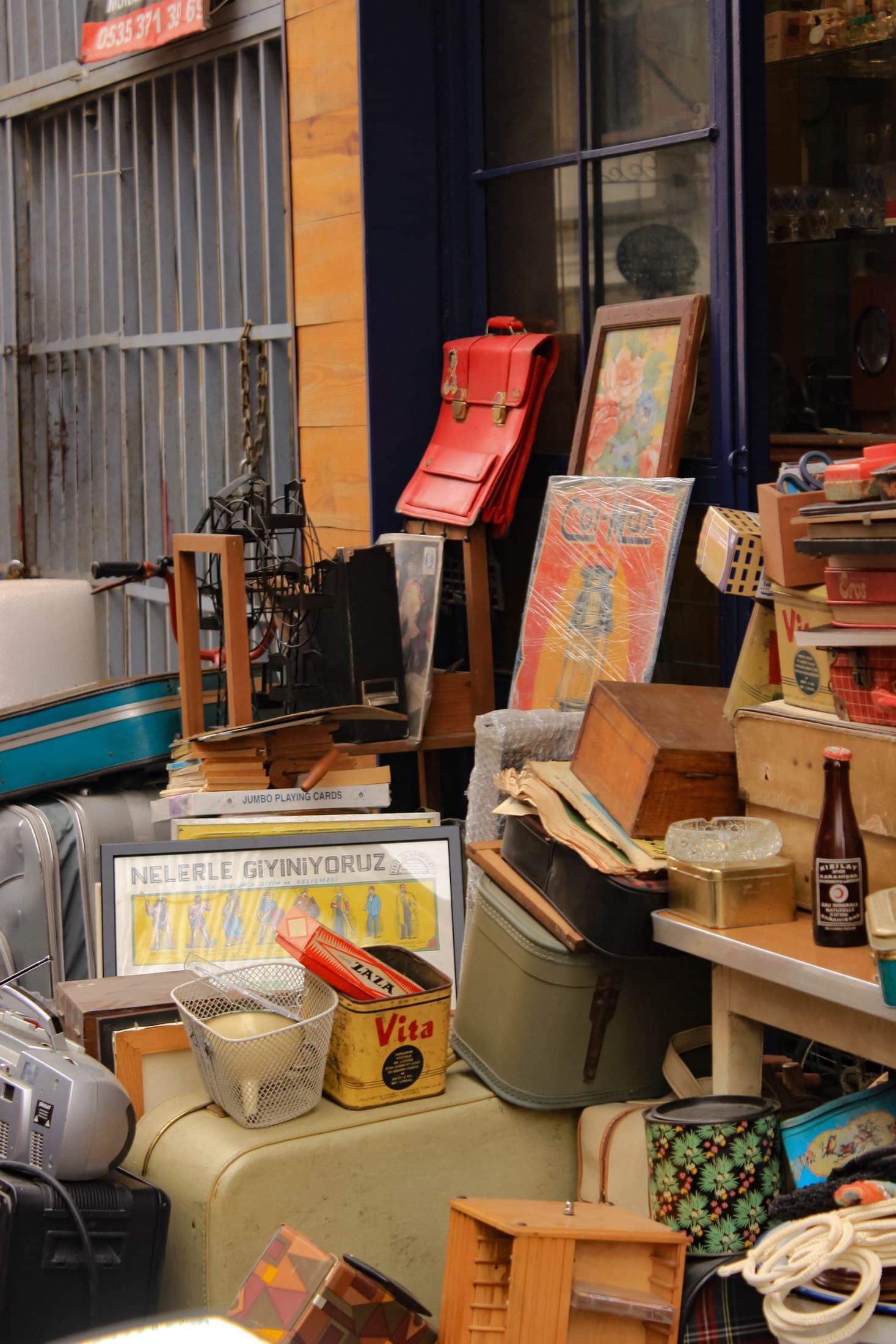
Vintage, antique, original, attributed to and in the style of are not interchangeable phrases. Ask a seller to state what is known: maker, date or period, materials, dimensions, repairs, replacement parts and source. Request photographs of the back, underside, hardware, joints and labels. If authorship affects the price, compare those details with a museum, archive or recognised specialist. A charming story told beside a market stall is not provenance until it can be supported. Then test function with equal seriousness. Sit down. Open every drawer. Smell enclosed storage. Check whether a table rocks, whether a chair frame moves and whether a cabinet will pass through the smallest doorway on the route home. For upholstered pieces, ask what is original, what has been replaced and whether modern fire-safety rules affect where or how the item can be used in your country. Buying from another region adds delivery, tax and return complications, so resolve them before paying. New furniture deserves the same discipline. A contemporary piece should not enter merely because it resembles the old one. It should solve comfort, storage, lighting or durability better. The reward is a room that can keep changing. One good old object, one clear new answer and enough unclaimed space will outlast a forced set assembled around this year's version of timelessness.