European Linen Bedding: Is It Actually Worth the Money?
Linen costs two to three times a good cotton set, so the real test is what it gives you once it is on the bed for a few years. Here is the honest answer.
Written by Vestados Editorial · 2 July 2026
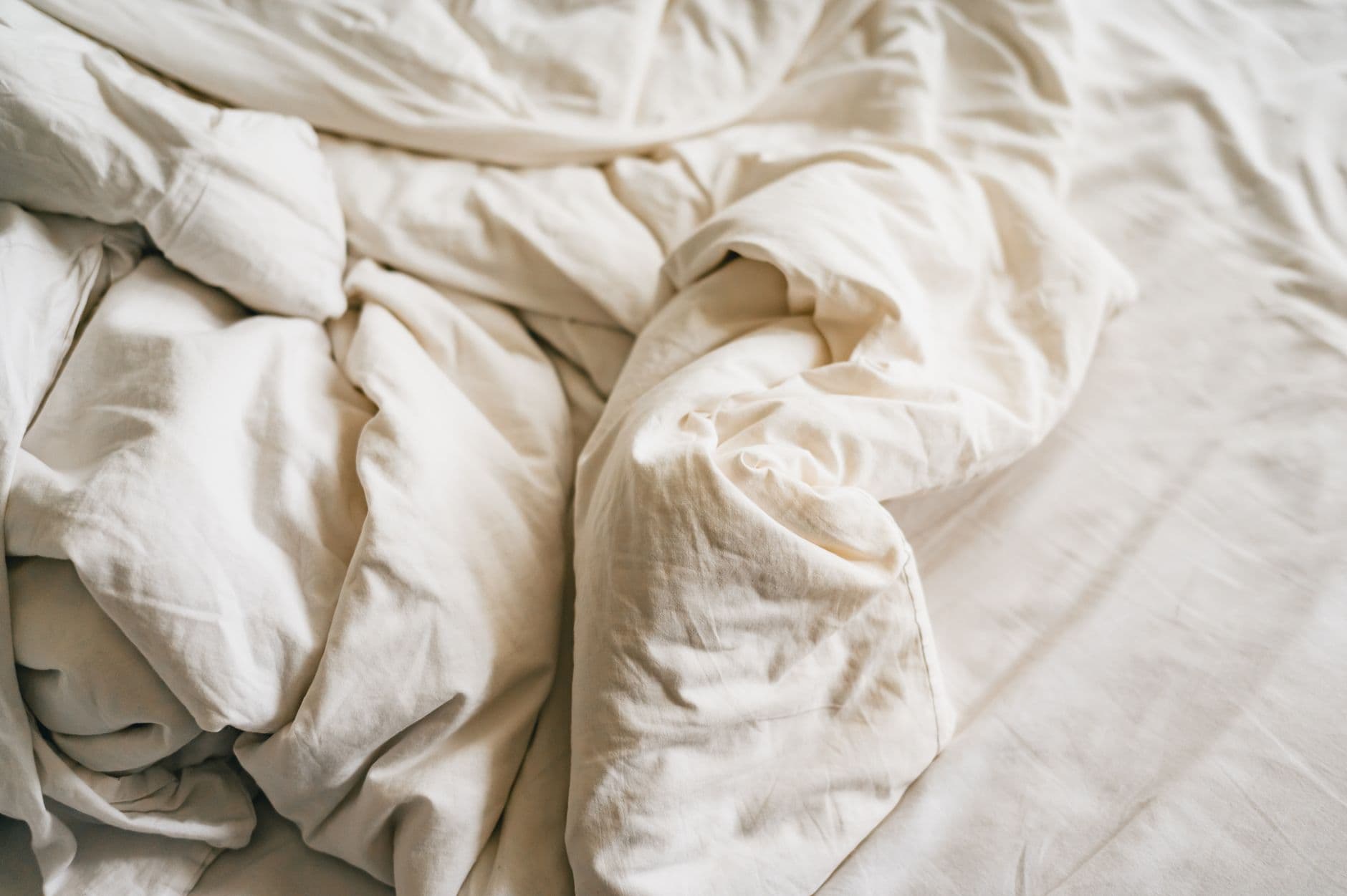
Linen bedding usually costs two to three times what a decent cotton set does, so the honest question is not whether it looks good in photos. It does. The question is whether it earns that price once it is on your bed for a few years, washed weekly and slept on every night. The short answer is yes, but only if you buy washed European flax and you actually plan to keep it. Below is what you are really paying for, how it behaves over time, and the buyer questions worth settling before you spend.
What washed European flax actually gives you
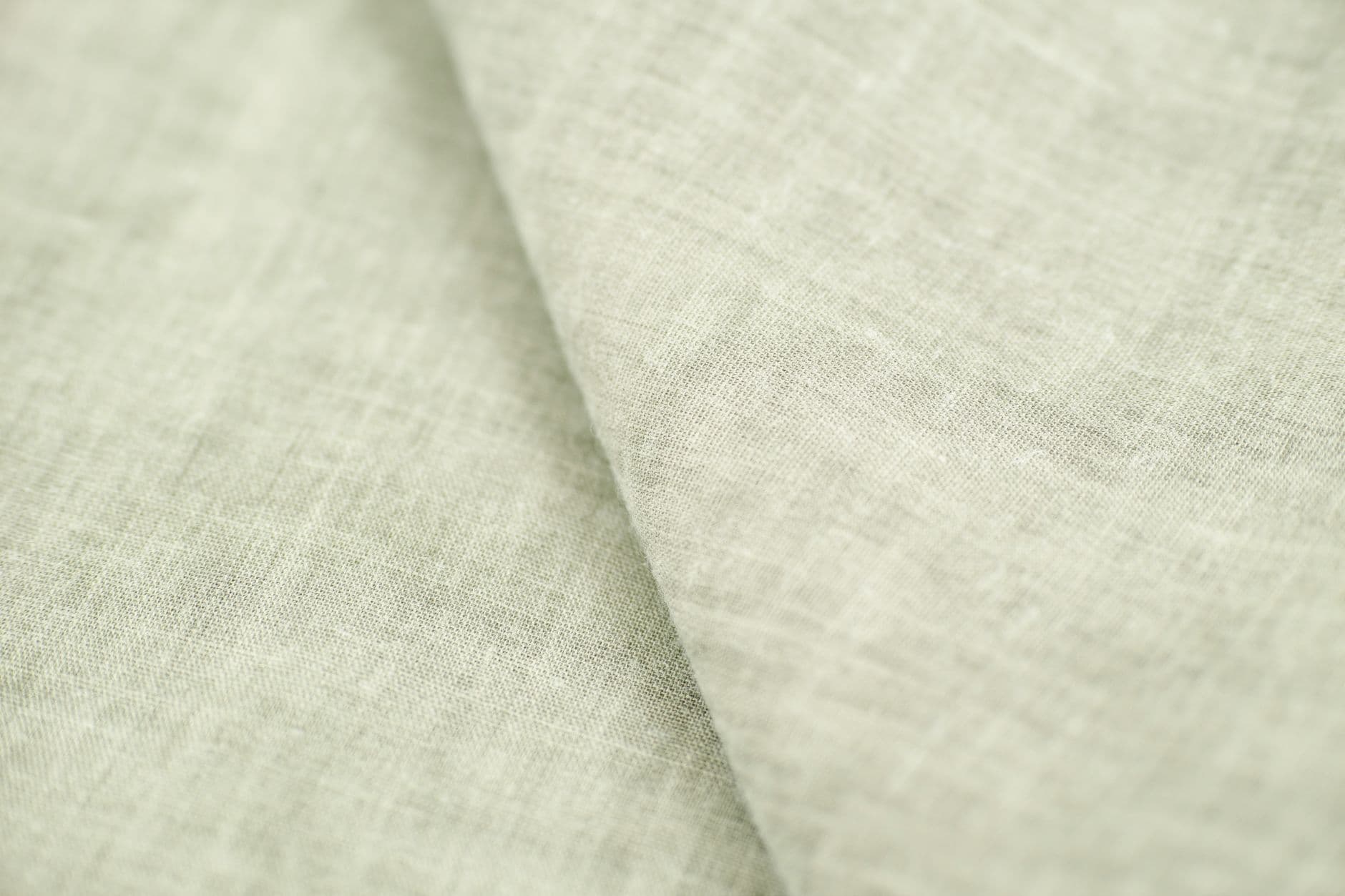
Not all linen is the same cloth. The bedding worth buying is made from European flax, usually grown in France, Belgium or the Netherlands, then stonewashed so it starts soft instead of stiff and papery. Flax fibre is naturally hollow, so it moves air and heat rather than trapping them against you. That structure is the whole reason linen feels cool and dry, and it is what cheaper linen loses when a mill skips the wash or drops the fibre grade. You are paying for the raw material and the finishing, not a logo. Get both right and the cloth does the work on its own, quietly, for years.
How it wears and gets softer
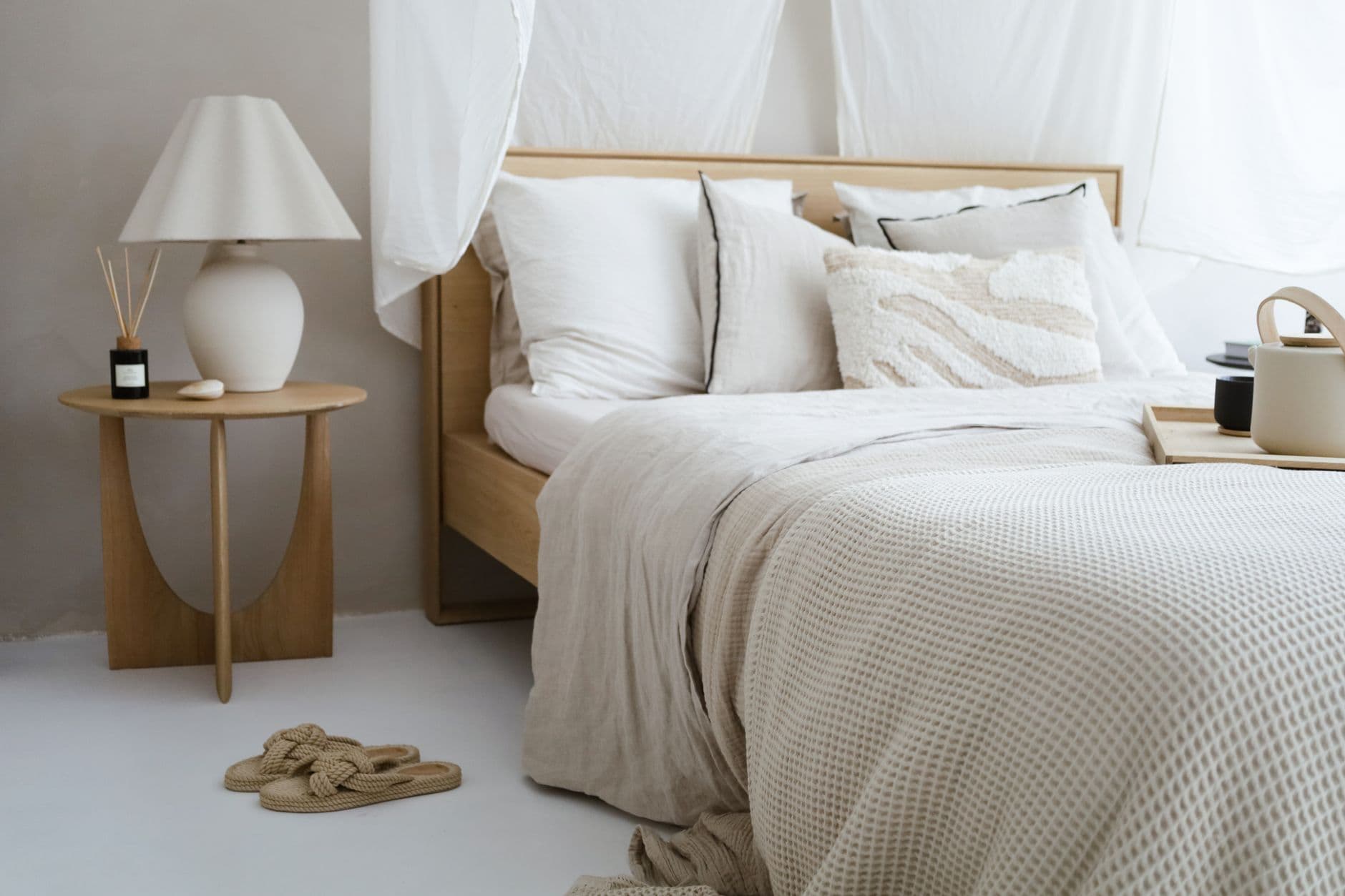
Linen is the rare fabric that improves with use. A new set can feel a little crisp for the first week, then it softens with every wash for roughly the first year before it settles into a broken-in, lived-in hand that holds. Cotton tends to run the other way, thinning and pilling as it ages. Good linen also resists that thinning because the fibre is strong, which is why a quality set commonly lasts five years and well beyond. If softness on night one is your only test, you will misjudge it. Buy it expecting the cloth to keep getting better, because that is the actual return on the spend. For the rest of the room, these bedrooms worth studying show what calm linen looks like in place.
Hot sleepers, cold sleepers, and the seasons
If you run hot at night, this is where linen justifies itself fastest. The hollow fibre and open weave let heat and moisture escape, so you wake up less clammy in summer than you would under cotton, and far less than under any synthetic. It is genuinely one of the best fabrics for hot sleepers. Cold sleepers are not left out either, because the same weave traps a warm layer of air once you add a duvet, so linen reads cool in July and cosy in January. It is closer to a year-round fabric than most people expect. The one honest caveat is deep winter for someone who is always cold, where flannel or brushed cotton still wins on pure warmth. It is the same logic behind what good hotel rooms get right about sleep.
Linen versus cotton, honestly
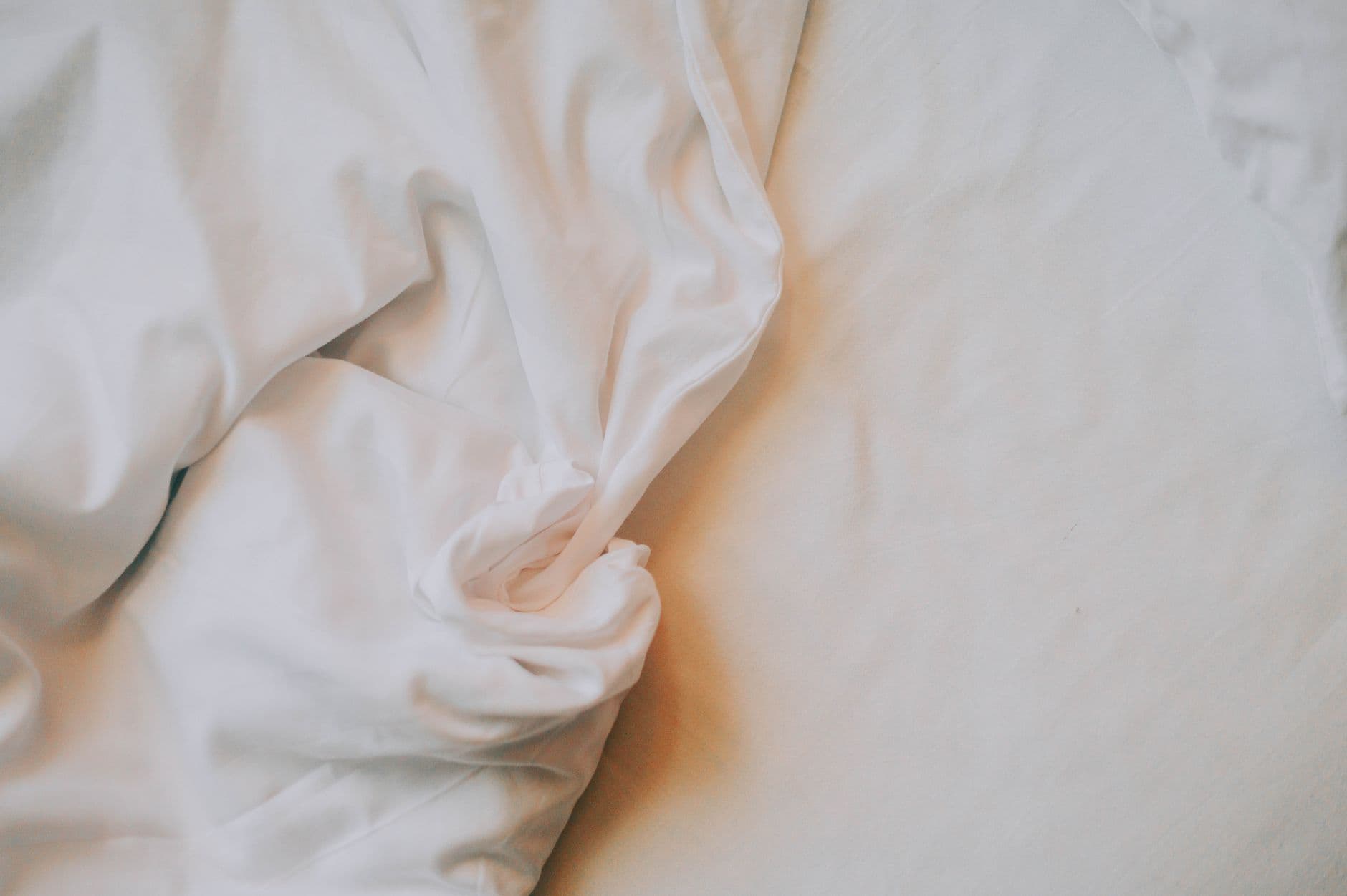
Cotton is cheaper, smoother, and easy to iron flat, and a good percale or sateen set is a perfectly nice place to sleep. Linen trades that crisp uniformity for texture, temperature control and longevity. Cotton feels its best when new and slowly declines; linen feels a little raw when new and steadily improves. So the choice is less about which fabric is better and more about what you value. If you want a pressed hotel look and a lower upfront cost, cotton is the sensible pick. If you sleep warm, dislike ironing, and would rather buy once and keep it for years, linen is worth the premium. Both are honest options, and the right one depends on how you actually sleep.
Colour: undyed and muted wins
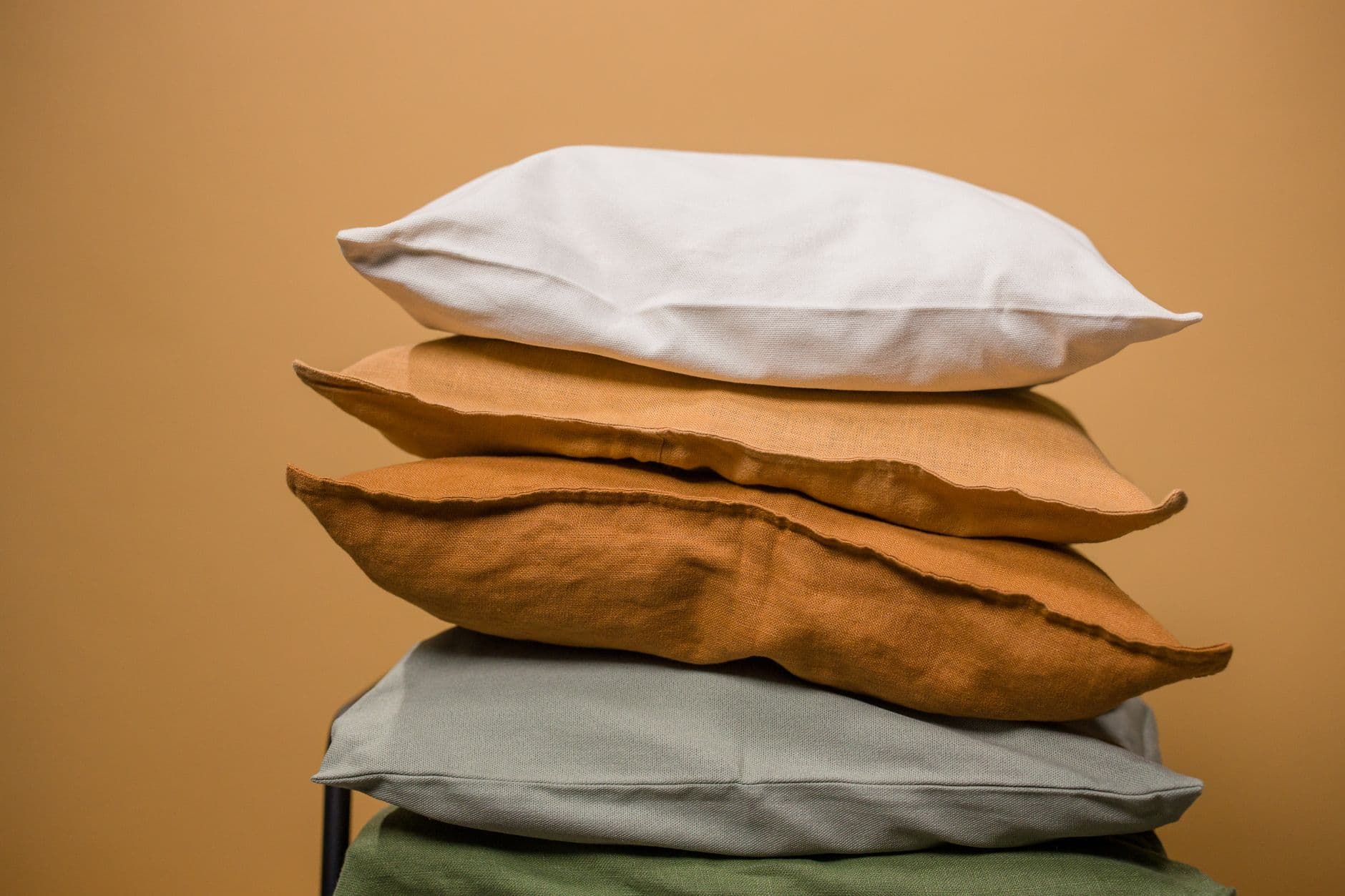
Linen looks best in shades that sit close to the fibre itself, so oatmeal, stone, warm white, muted olive and faded terracotta all age gracefully. Low-saturation and undyed tones hide the natural creasing and stay handsome as they soften, where a bright, heavy dye tends to look tired once it fades unevenly across a few years of washing. For a bed that looks collected rather than bought in one click, layer two close tones instead of matching everything exactly. A slightly off pairing, like stone against warm white, reads considered. It is a small choice that decides whether the bed looks styled or just neutral, and it costs nothing extra to get right.
Living with it: wrinkles, washing and wear
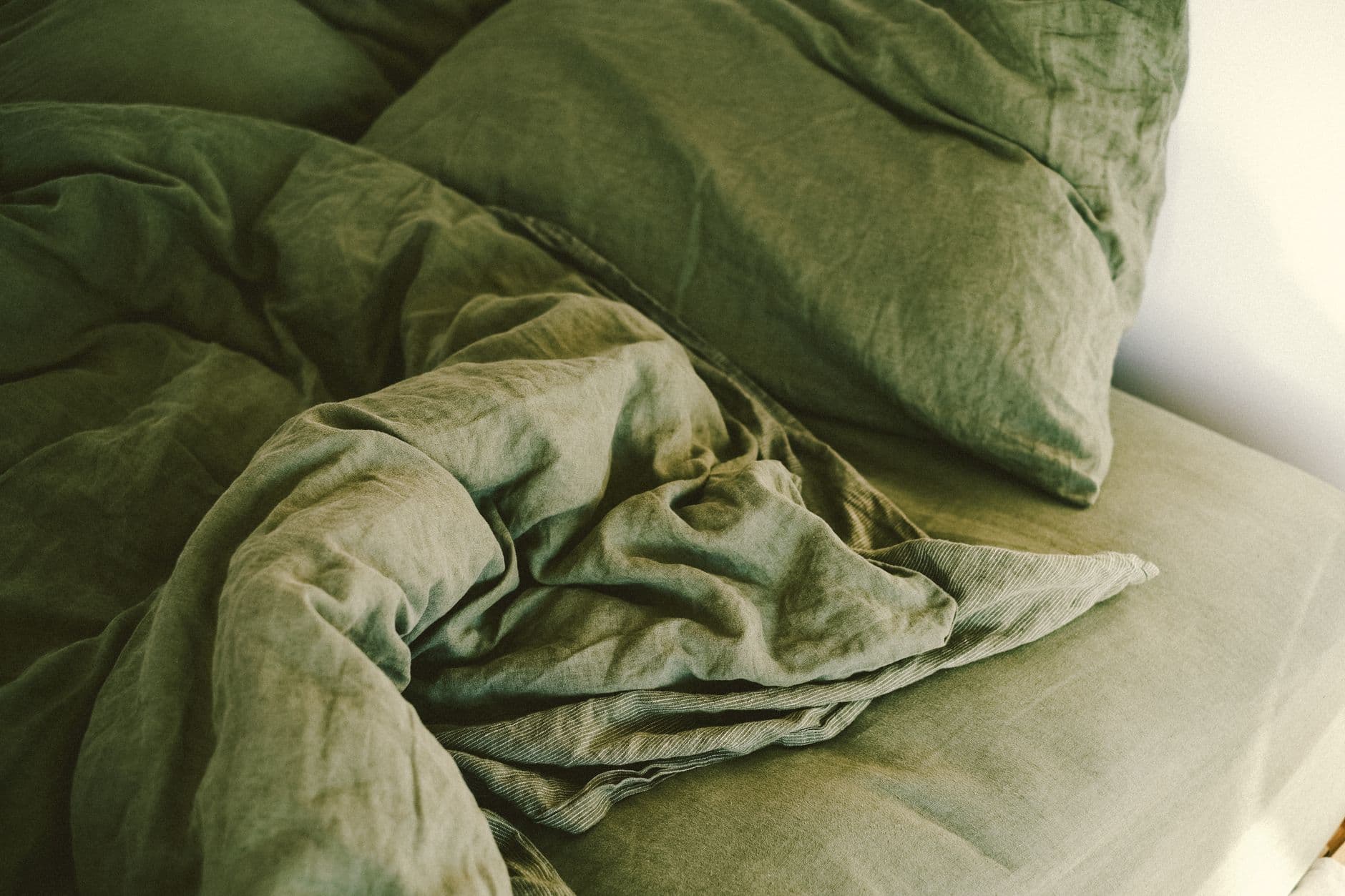
Yes, linen wrinkles, and no, you do not iron it. The soft creasing is the look, and fighting it misses the point entirely. Wash it warm rather than hot, tumble on low, and pull it out while it is still slightly damp, then make the bed and let it finish drying flat so it settles naturally. Skip fabric softener, which coats the fibre and dulls the very breathability you paid for. Cared for this simply, a good set softens for about a year and then holds for many more, which is where the cost quietly turns in its favour against replacing cotton every couple of seasons. Buy it once, wash it plainly, and it outlasts almost everything else in the room.