Dining Chairs Worth the Room They Take
Six modern chair archetypes, and the single detail that decides whether each one earns its place at your table or just crowds it.
Written by Vestados Editorial · 2 July 2026
Affiliate disclosure: some links earn us a commission if you buy something, at no extra cost to you.
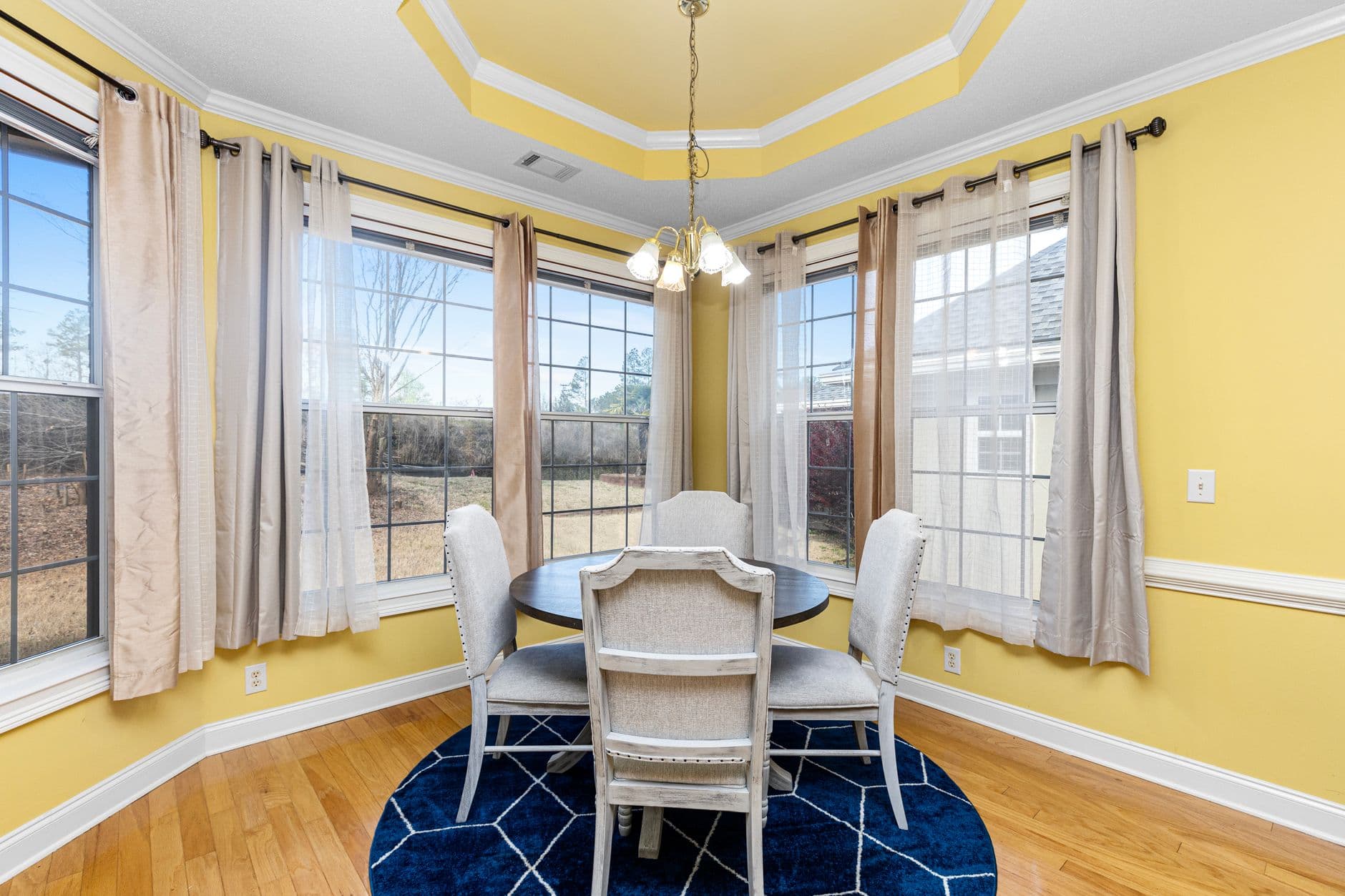
A dining chair does more work than almost anything else you buy for a home. You sit in it every day, you look at it from across the room, and it either quiets a space or clutters it. The good ones disappear into the meal and reappear when you notice the light catching a curved back. The wrong ones just take up floor. Six chairs are worth knowing well, because each solves a different problem, and each has one detail that separates the version that sings from the version that sulks in a corner. Here is when to reach for which, and what to actually look at before you commit.
The moulded plywood chair
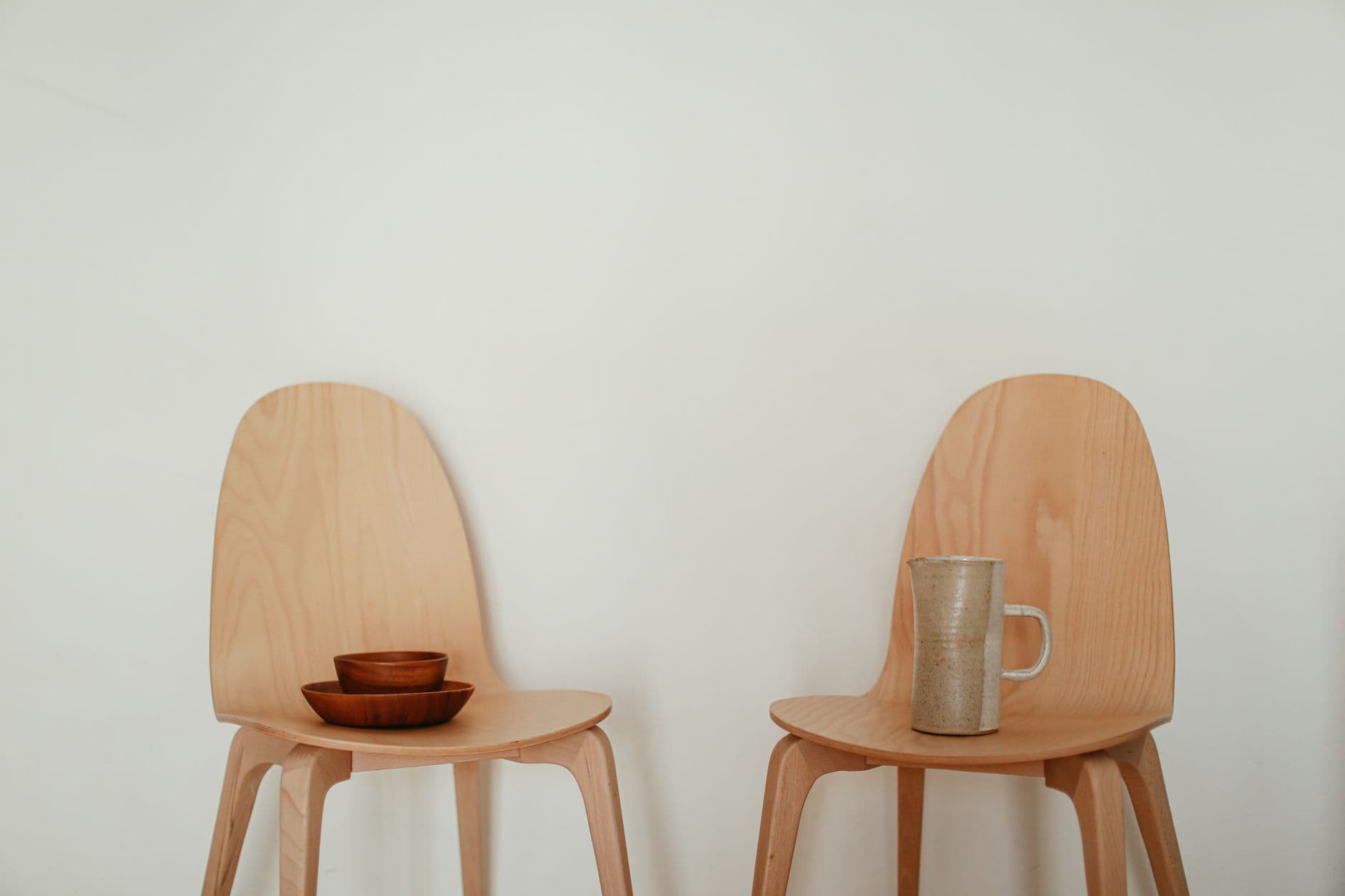
This is the one that made light, curved seating feel modern. A single shell of thin wood layers, pressed into a shape that cradles you without a cushion, usually on slim wood or wire legs. It belongs in rooms that want warmth without weight, a small kitchen table, a corner where a bulkier chair would feel like furniture stacked on furniture. The shell reads soft even though it is hard, which is the trick. The detail that makes or breaks it is the edge of the shell. A good one has a rolled, finished lip that feels kind under your thighs and hands. A cheap one leaves the ply raw and sharp, and you feel it every time you sit. Run your fingers along that edge before anything else.
The paper-cord or rush seat
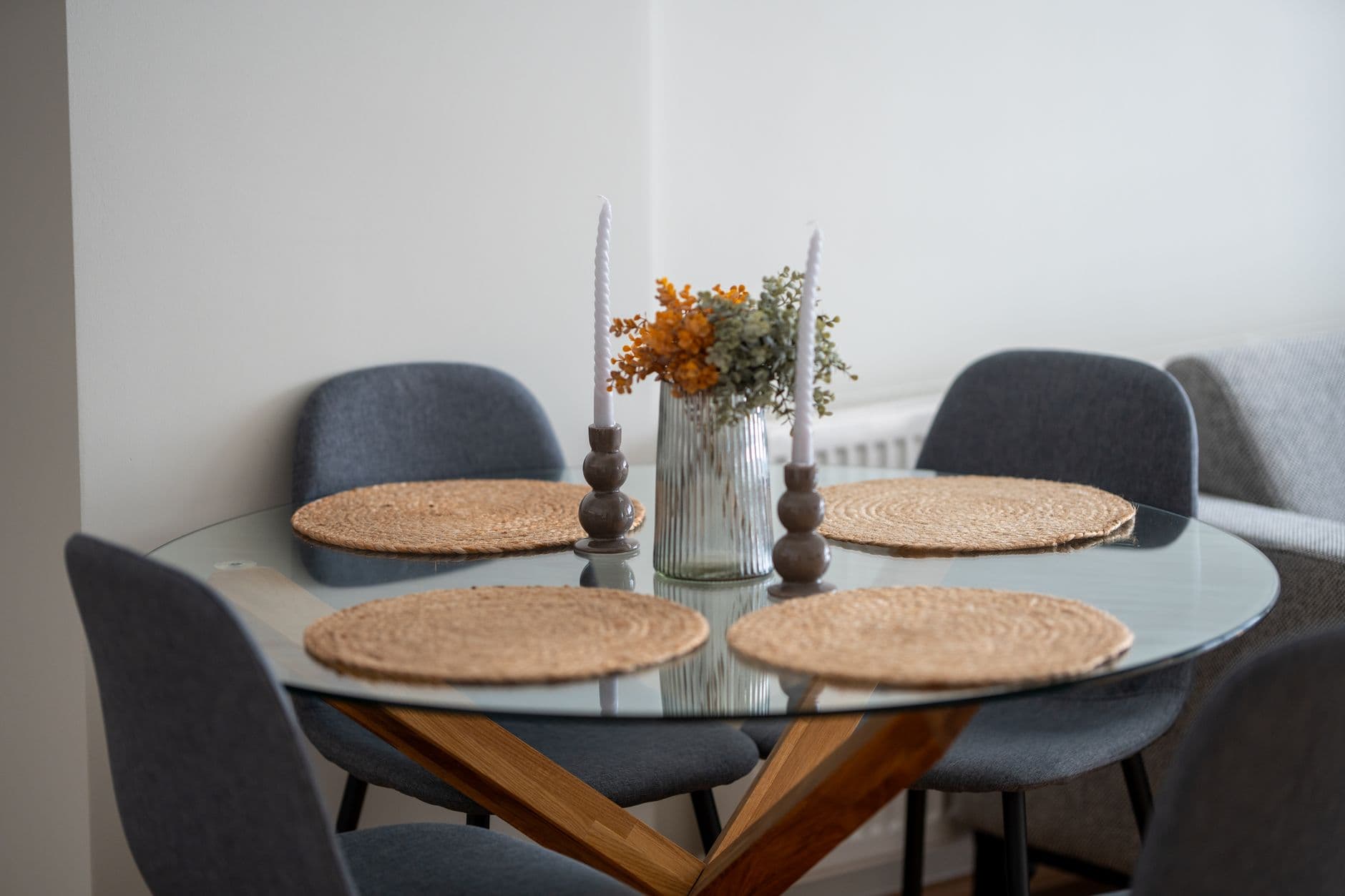
Woven seats bring a quiet handmade texture that no plastic or foam can fake. Paper cord and rush both wrap a wooden frame in fine, tactile lines that soften a room and catch shadow beautifully in low afternoon light. This is the chair for people who want their dining setup to feel calm and slightly rustic without tipping into farmhouse. It suits pale oak, it suits a linen tablecloth, it suits a room that already has enough hard surfaces. The detail to check is the tightness and evenness of the weave. A well-strung seat is taut, springs slightly, and holds its shape for years. A loose or uneven one sags within months and starts to fray at the front edge where your legs rub. Press down in the centre and feel whether it pushes back.
The upholstered comfort chair
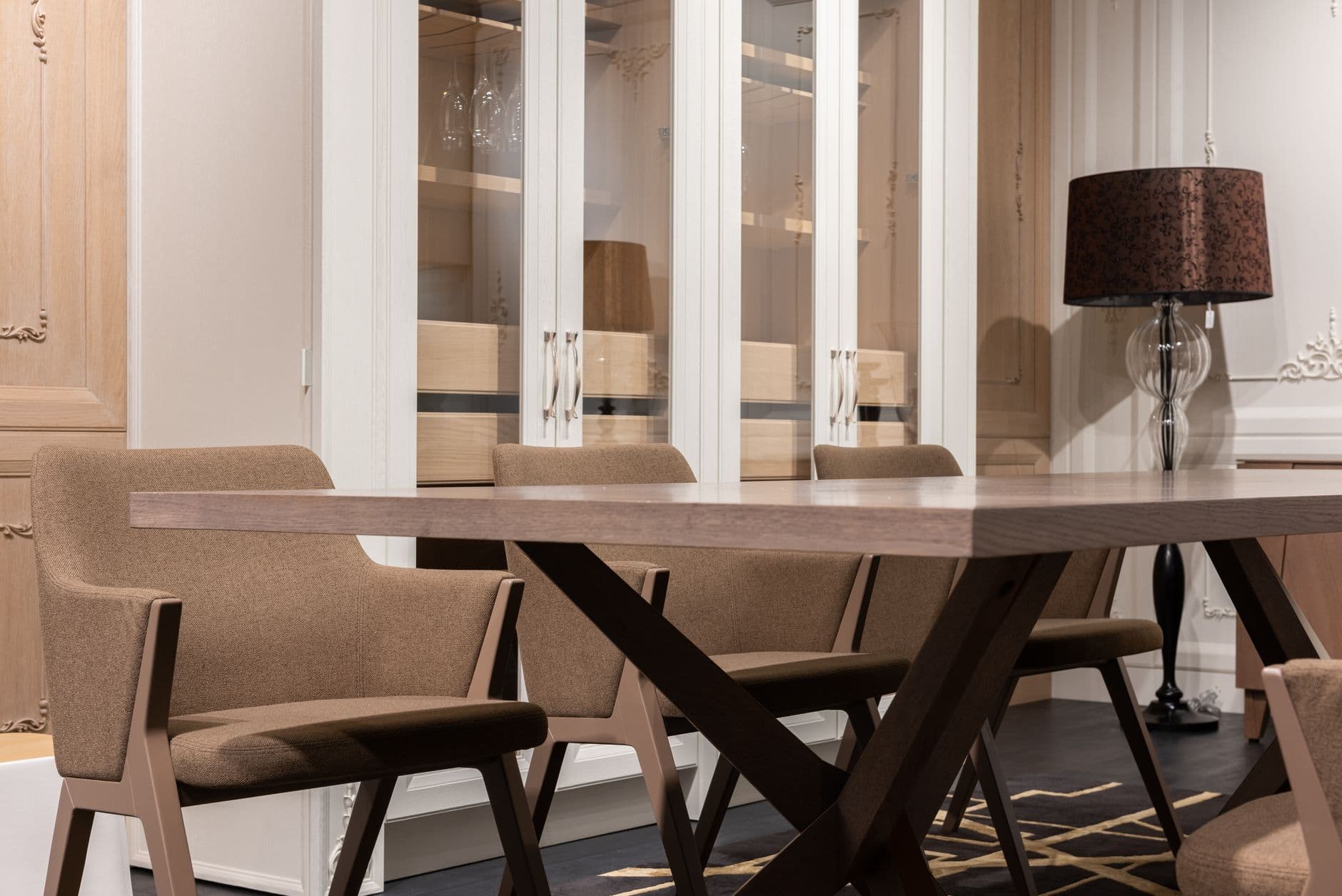
Some tables are for lingering. Long dinners, wine that outlasts the food, conversations nobody wants to end. That table wants an upholstered chair, a padded seat and often a padded back that let people stay put for hours without shifting. It brings softness and a sense of hospitality to a dining room, and in a modern European space it usually means clean lines, a low back, and a muted fabric rather than anything button-tufted or grand. The detail that matters most here is the seat depth and the fabric. A performance weave or a tight boucle in a warm neutral will survive spills and years of use, where a delicate pale linen will show every meal. Sit fully back and check your knees clear the edge cleanly.
The tubular cantilever
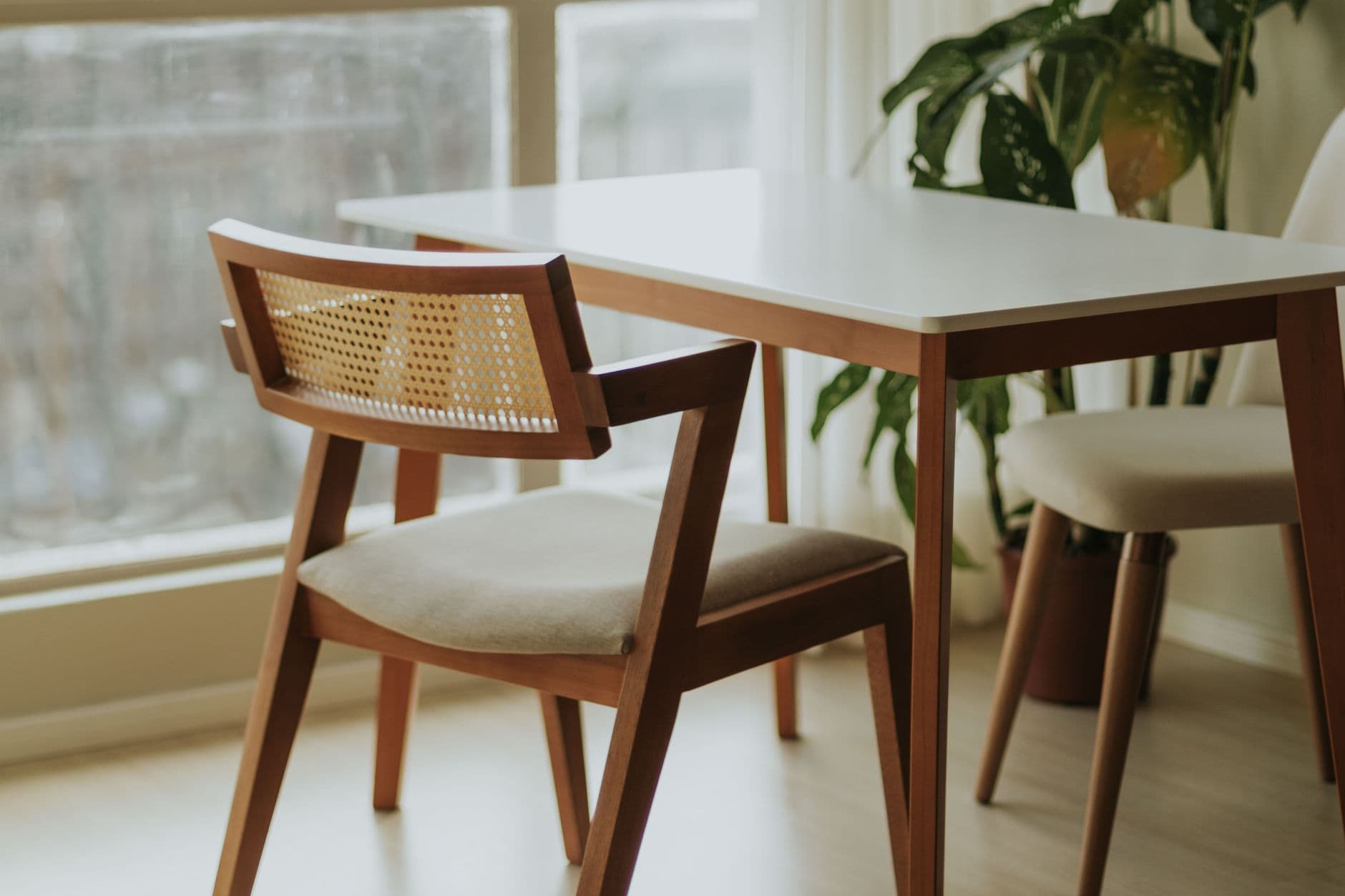
A cantilever chair has no back legs. A single curved length of tubular steel loops from the front feet up to the seat and back, so the whole thing gives a little when you lean, and appears to float above the floor. It brings a light, architectural line to a room and works especially well against a solid wood table, where the thin metal frame keeps the setup from feeling heavy. This is the chair for a space that leans clean and slightly graphic. The detail to watch is the seat and back material meeting that frame, often cane, leather, or moulded wood. Cane looks wonderful and ages gracefully, but a poorly tensioned panel bows and cracks. Check that the frame is a smooth continuous tube with no wobble, and that the seat sits flush.
The solid-wood classic
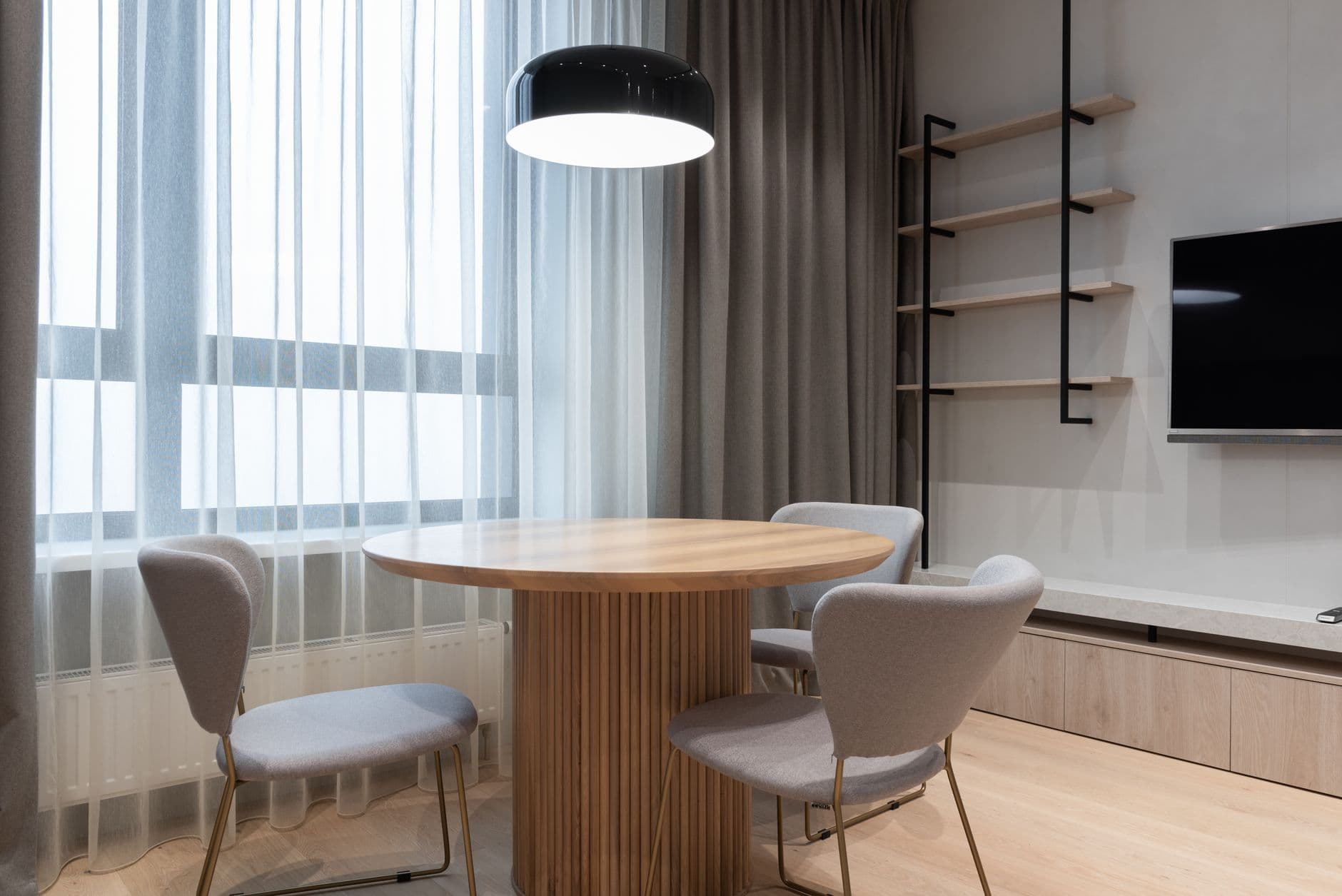
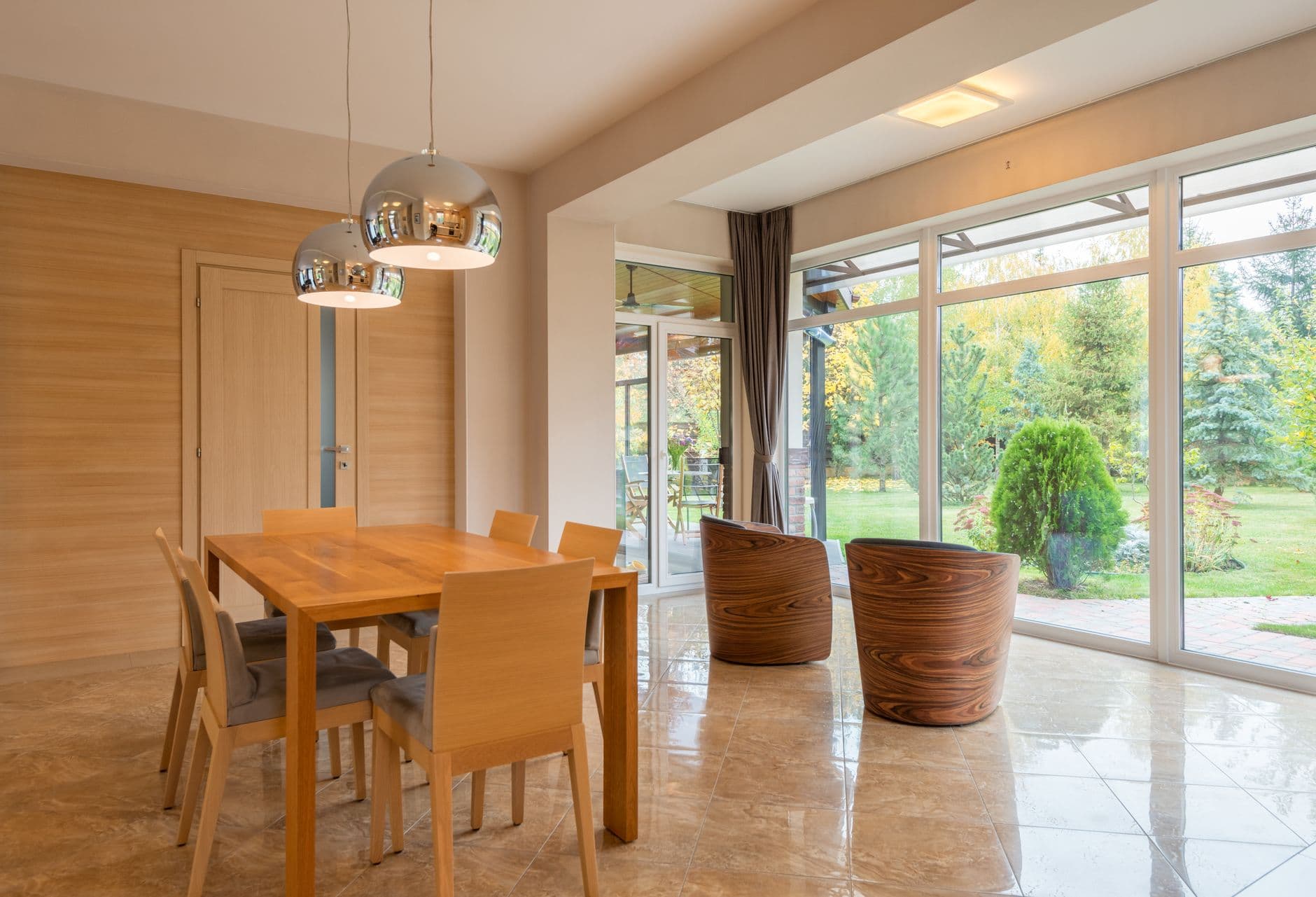
There is a reason the four-legged wooden chair never leaves. Done well, in solid oak, ash, or walnut, with a gently shaped seat and a back that supports rather than pokes, it outlasts trends and most other furniture in the house. It suits nearly any table because wood talks to wood, and it brings a grounded, timeless calm to a dining room that flashier chairs cannot. This is the safe, generous choice you never regret. The detail that separates a keeper from a throwaway is the joinery. Look for solid timber rather than veneered particleboard, and joints that are pinned, doweled, or properly glued rather than screwed and hidden under plastic caps. Lift the chair. A good one has an honest, reassuring weight and no creak when you rock it gently.
The sculptural statement chair
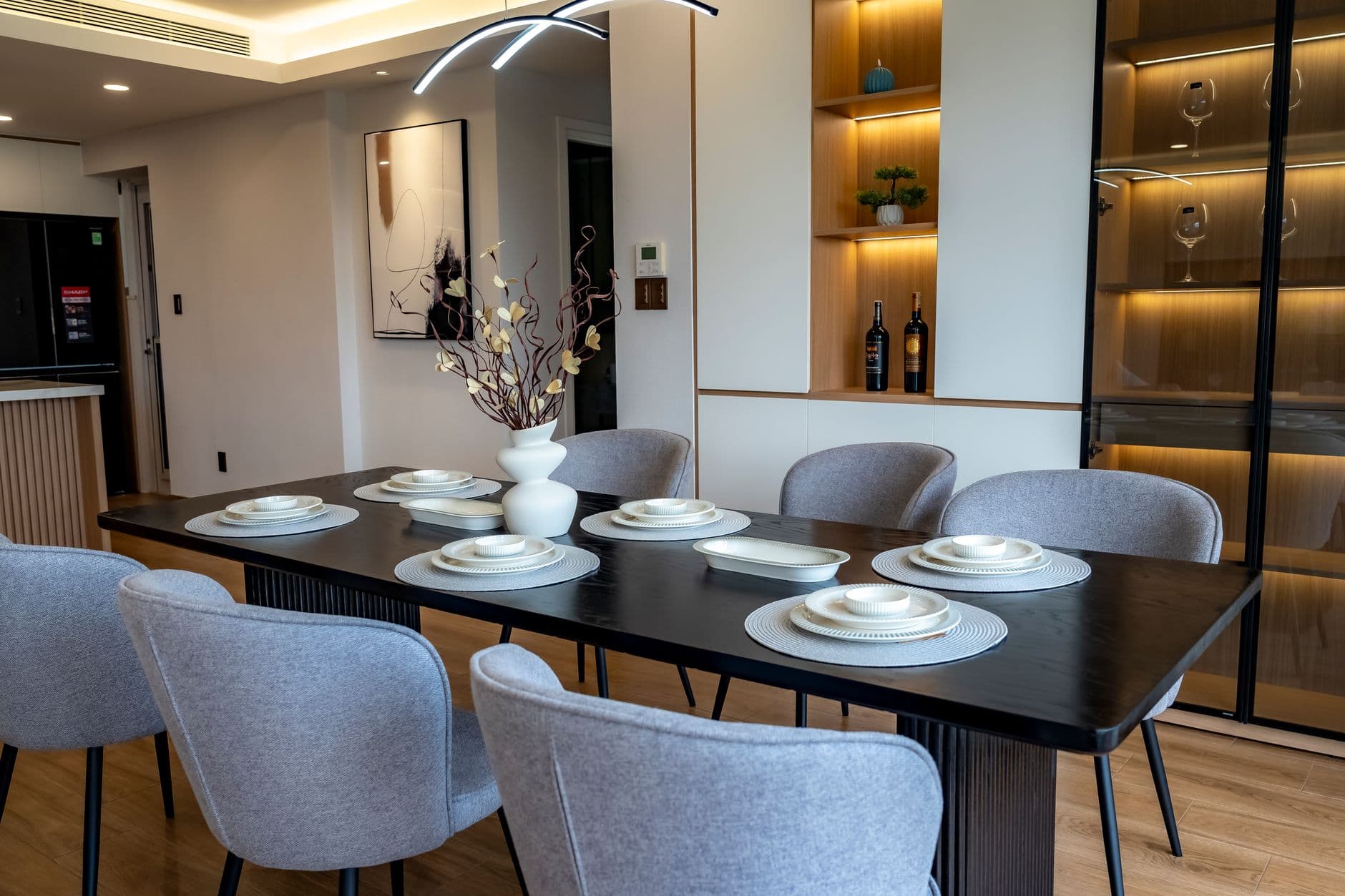
Every so often a room can carry a chair that is really a piece of sculpture you happen to sit on. An unusual silhouette, an exaggerated curve, a bold single colour, something that makes people look twice as they walk in. Used sparingly, two at the head and foot, or a single pair in a pared-back space, it gives a minimal room the jolt of personality it needs. This is the chair for confident rooms that are otherwise quiet. The detail that keeps it from becoming a mistake is comfort, because a beautiful shape you dread sitting in gets shoved against the wall within a month. Before you fall for the form, actually sit in it through an imagined meal. If the sculpture also holds your back kindly, it earns the room. If not, admire it and walk away.
Comparing dining chairs?
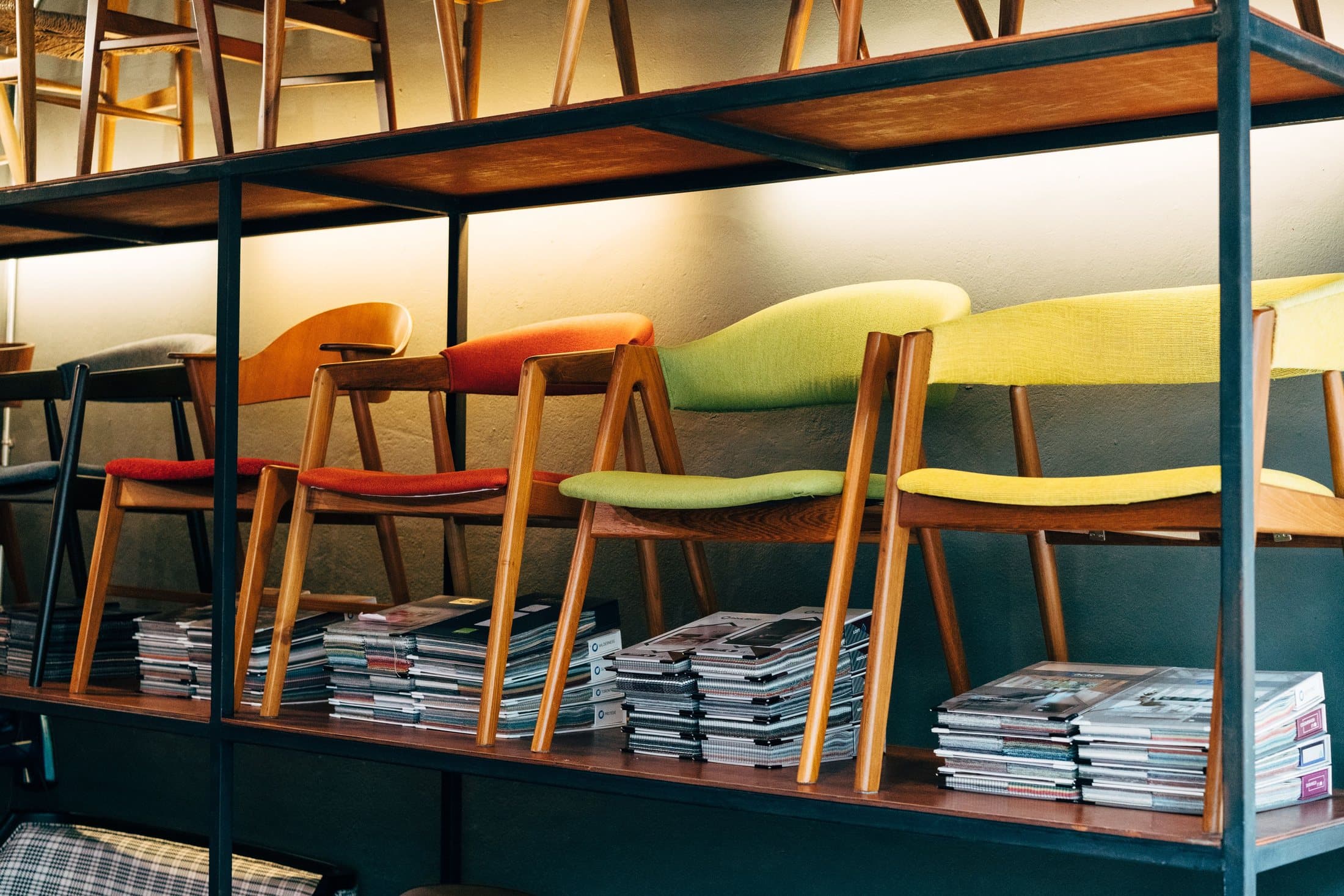
LoomLan currently carries a broad dining-chair range across wood, woven, upholstered and sculptural styles. The first tracked link opens the official Dining Chairs collection; the second opens the wider LoomLan shop, where you can verify dimensions, materials, stock, delivery and the current return terms before ordering. If you choose a clearance item, LoomLan states that clearance sales are final.