Brown Is the Living Room Colour Worth Committing To
Grey has had its run. For 2026, living rooms are turning to chocolate, chestnut and umber, and the shift rewards anyone who gets the texture right.
Written by Vestados Editorial · 5 July 2026
Affiliate disclosure: some links earn us a commission if you buy something, at no extra cost to you.
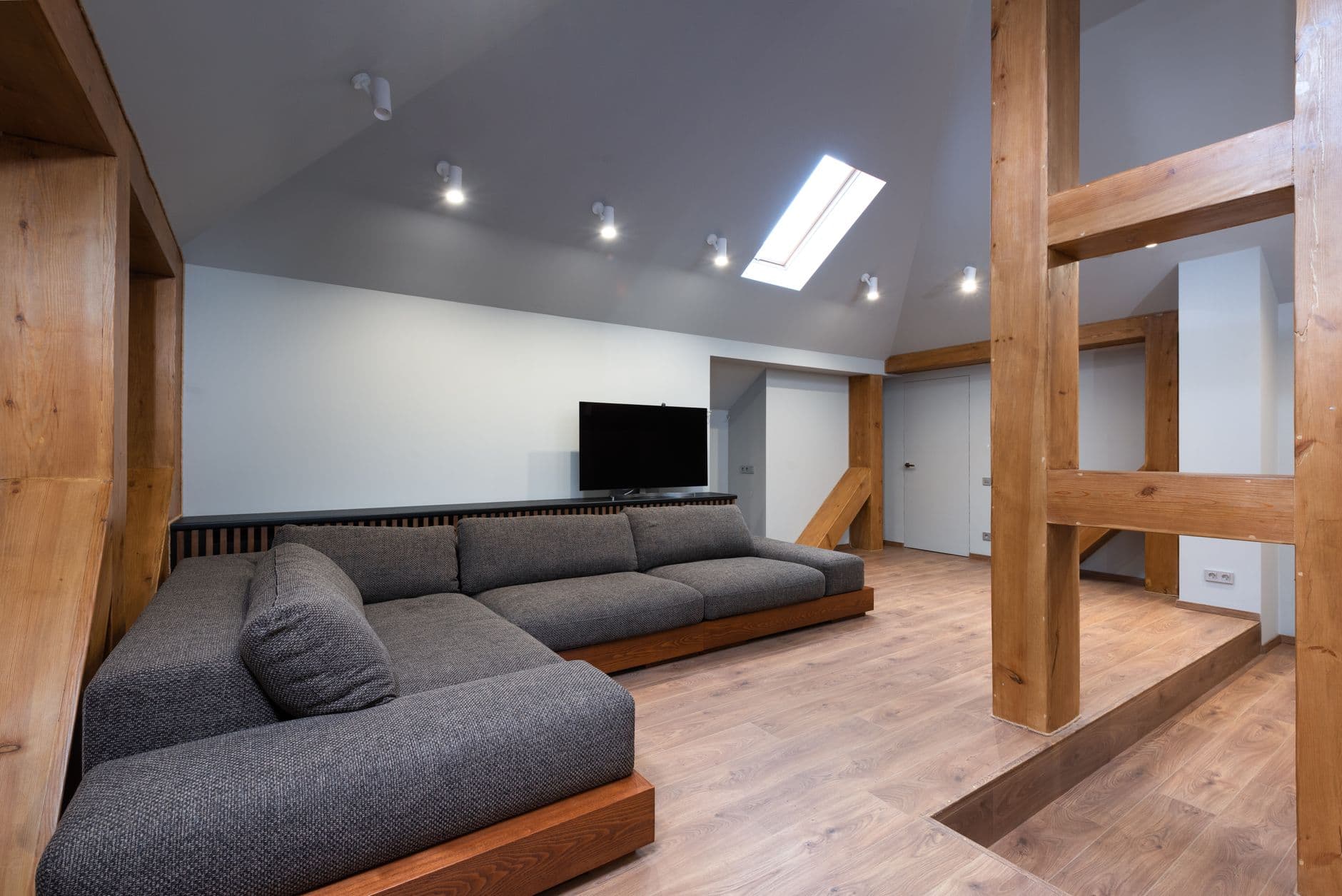
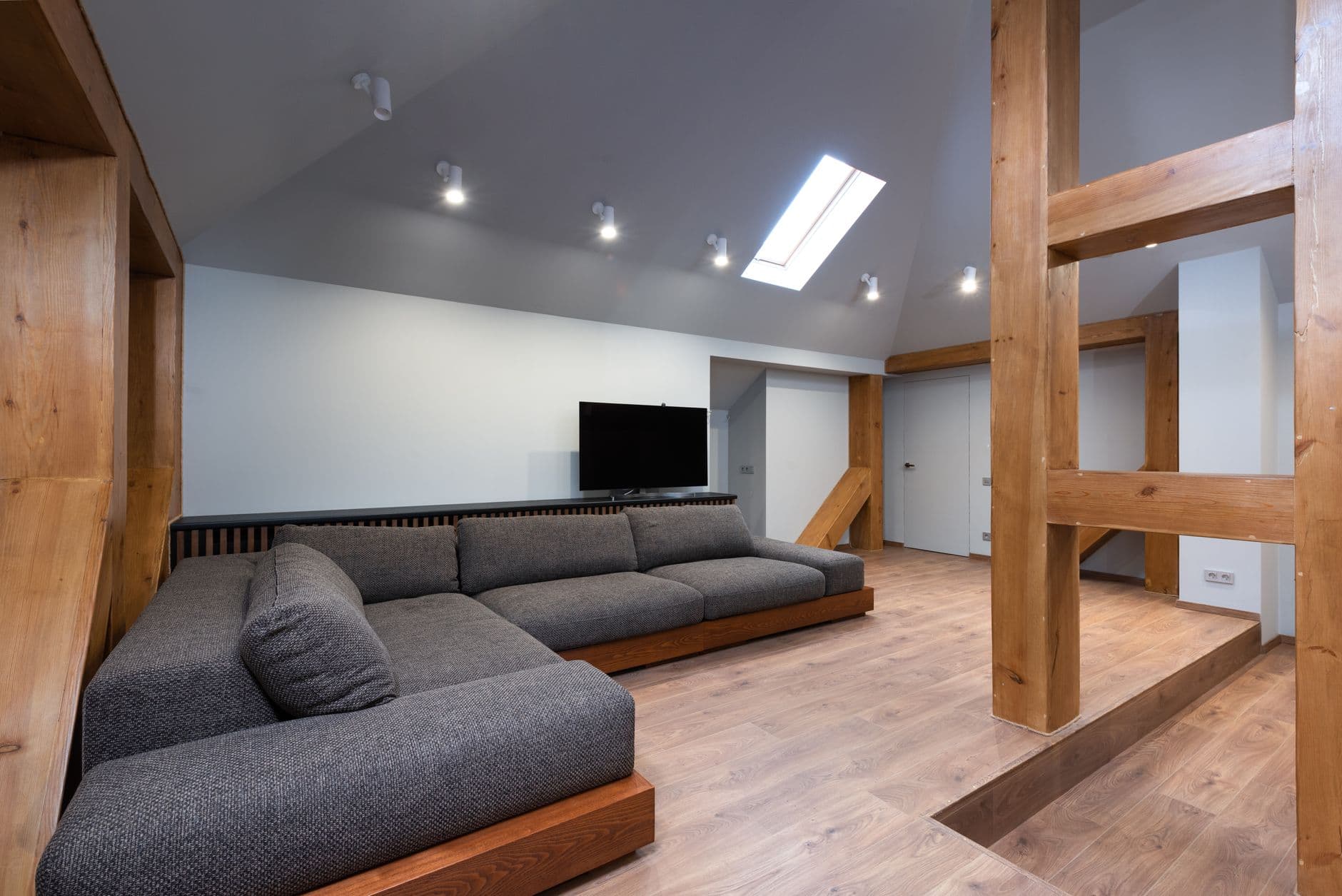
Grey outstayed its welcome by about a decade, and beige never really left the building. What is replacing both this year is brown, not the flat taupe of a hotel lobby but chocolate, chestnut, tobacco and umber, worked through wool, walnut and leather. It is a warmer room, a more confident one, and it asks more of the details than grey ever did.
Why Brown, Why Now
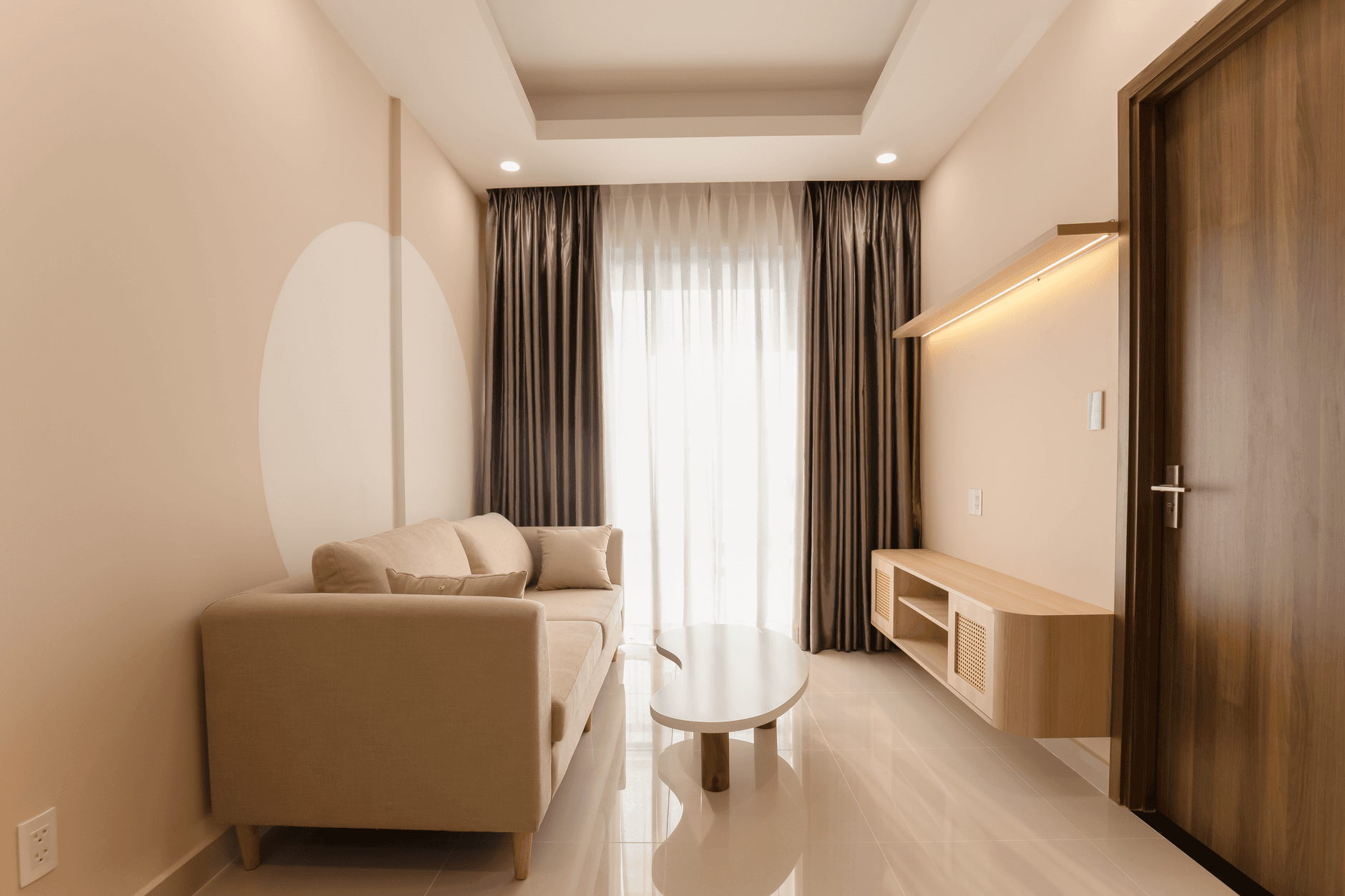
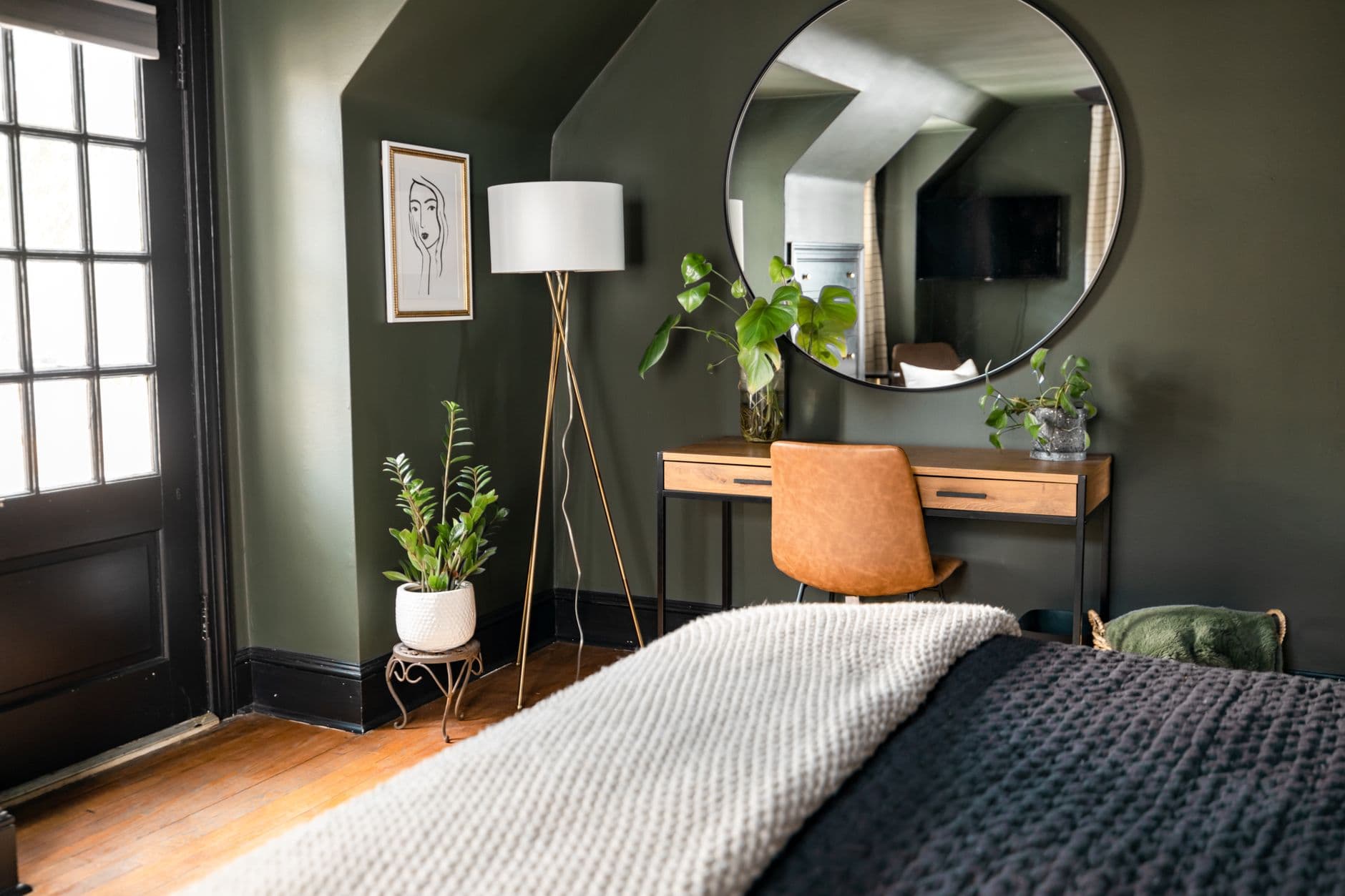
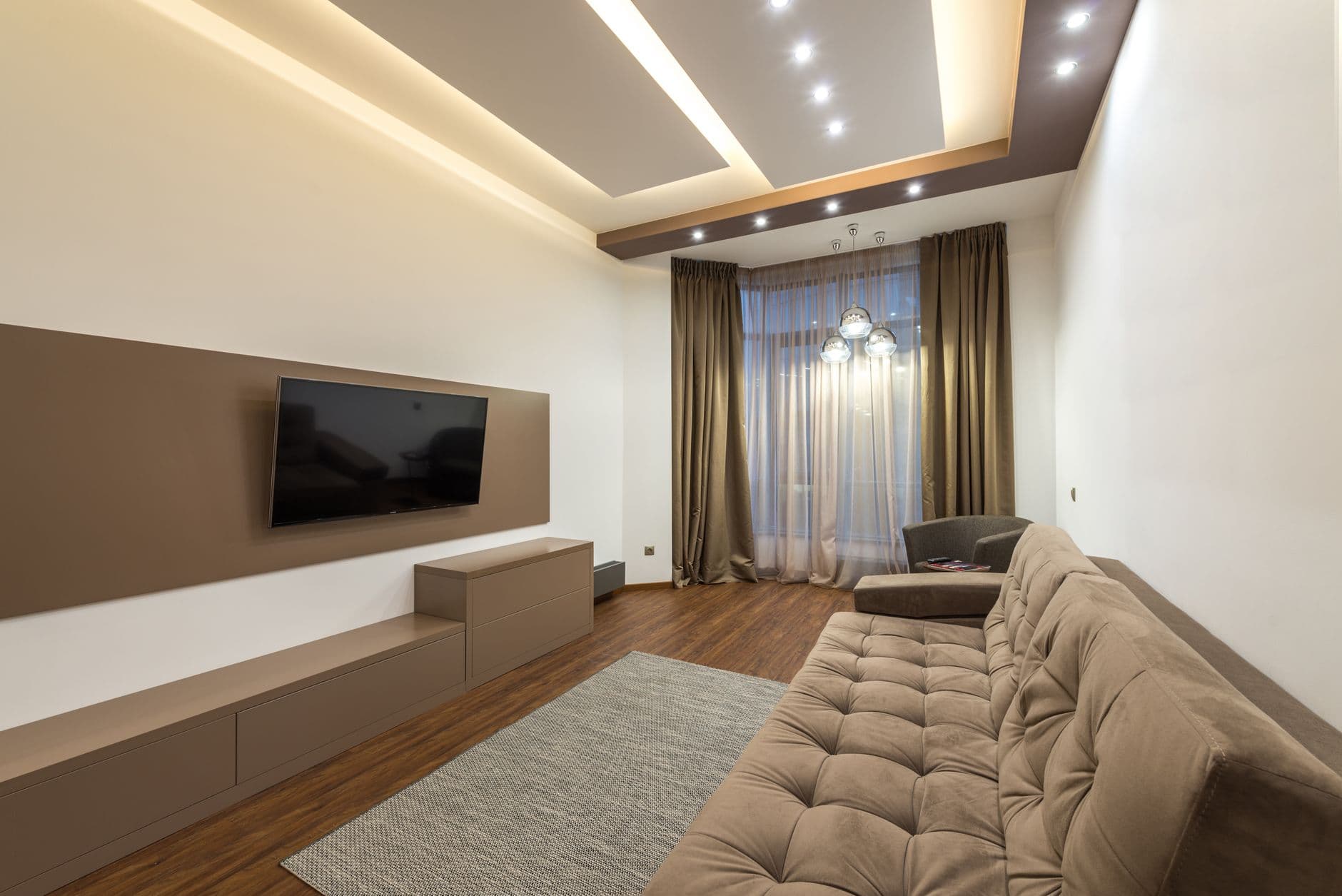
After a decade of cool, low-saturation neutrals, brown reads as a relief rather than a risk. Chocolate walls, chestnut joinery and umber upholstery absorb light instead of bouncing it back flat, which is why a brown living room photographs warm even under ordinary bulbs. The shades doing the work in 2026 are specific: espresso and near-black walnut for joinery, tobacco and rust-brown for upholstery, and a soft, greyed umber for walls that reads calm rather than heavy. What is being dropped is the murky taupe-brown of a decade ago, the one that always looked slightly dirty. This version is deliberate and pigmented, closer to a good coffee than a wet cardboard box, and it holds its own against black metal, brass and pale oak in a way beige never managed.
Texture Does the Heavy Lifting
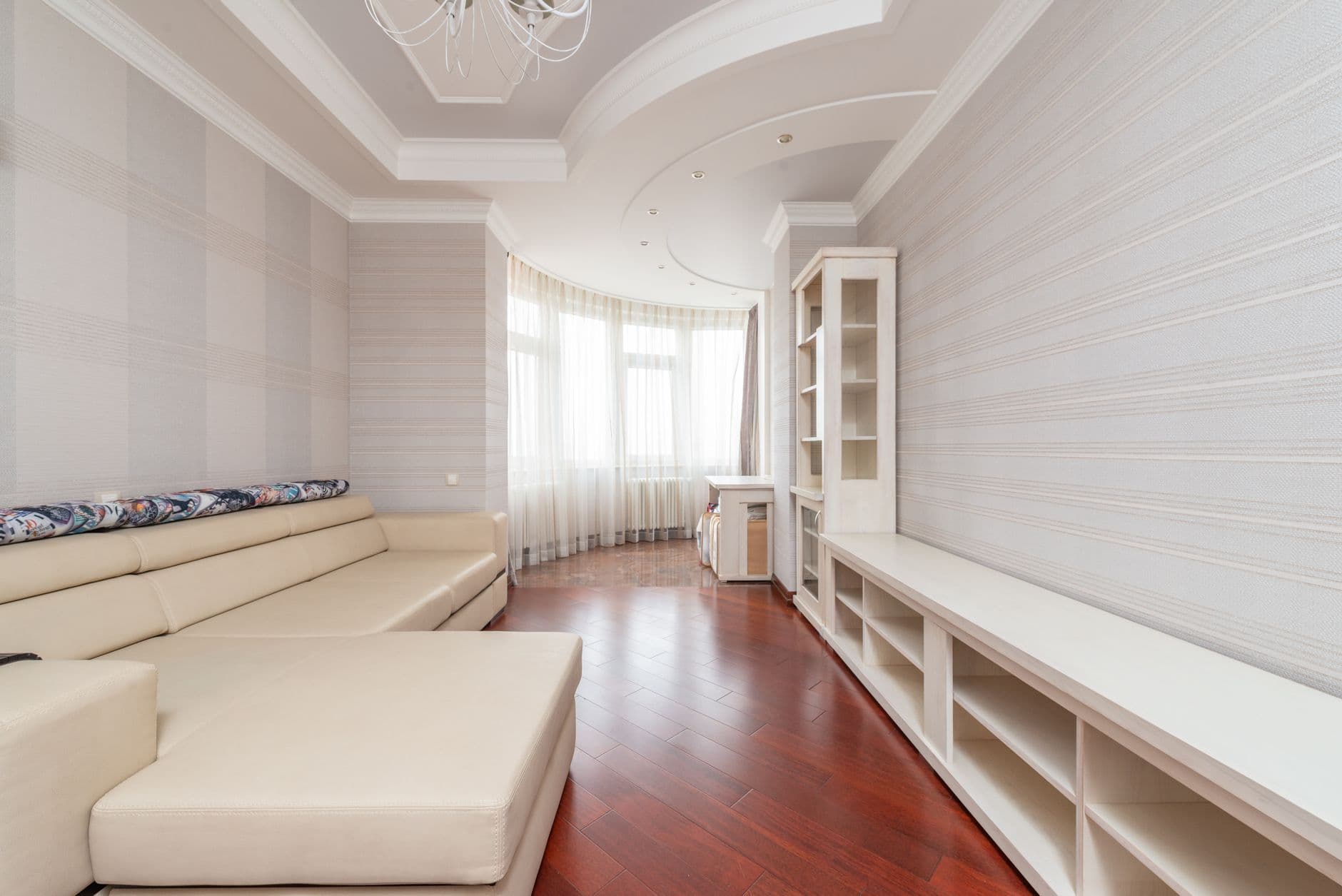
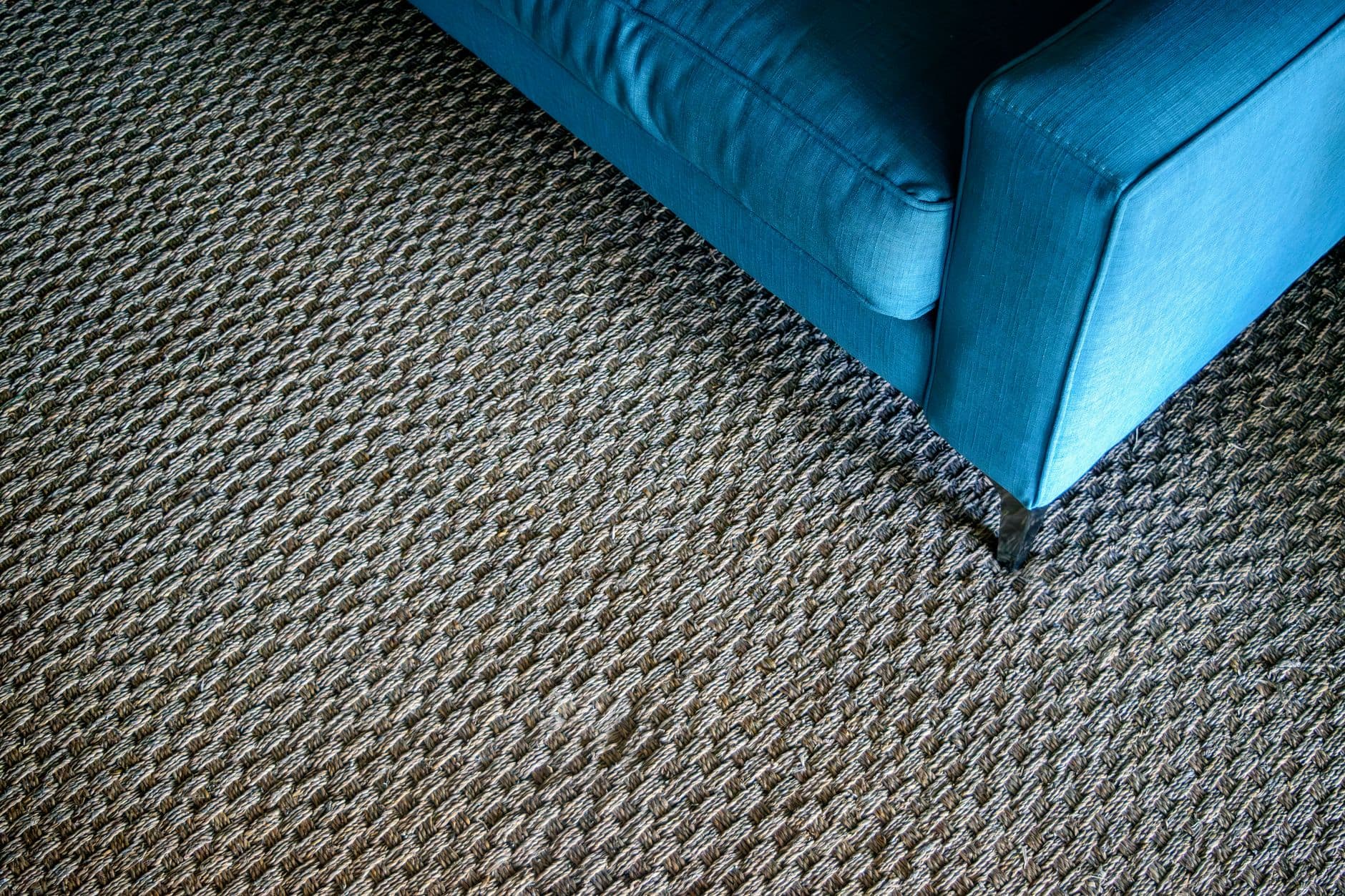
A room in one flat brown looks like a waiting room, so the trend only works when the palette is layered by texture rather than colour. Bouclé in oatmeal or bone softens a chocolate sofa. Cane and rattan, in their natural mid-brown, bring lightness against darker walnut furniture. Brushed brass and unlacquered bronze read warm rather than gold-heavy against umber paint, and a wool or jute rug in undyed cream keeps the floor from disappearing into the walls. The rule for 2026 living rooms is roughly three tones of brown, from near-black to biscuit, plus one pale neutral to give the eye somewhere to rest. Skip high-gloss brown surfaces entirely; matte and slightly nubbly finishes are what keep the whole scheme from tipping into the den-like brown interiors of the 1970s.
Curtains Carry the Colour
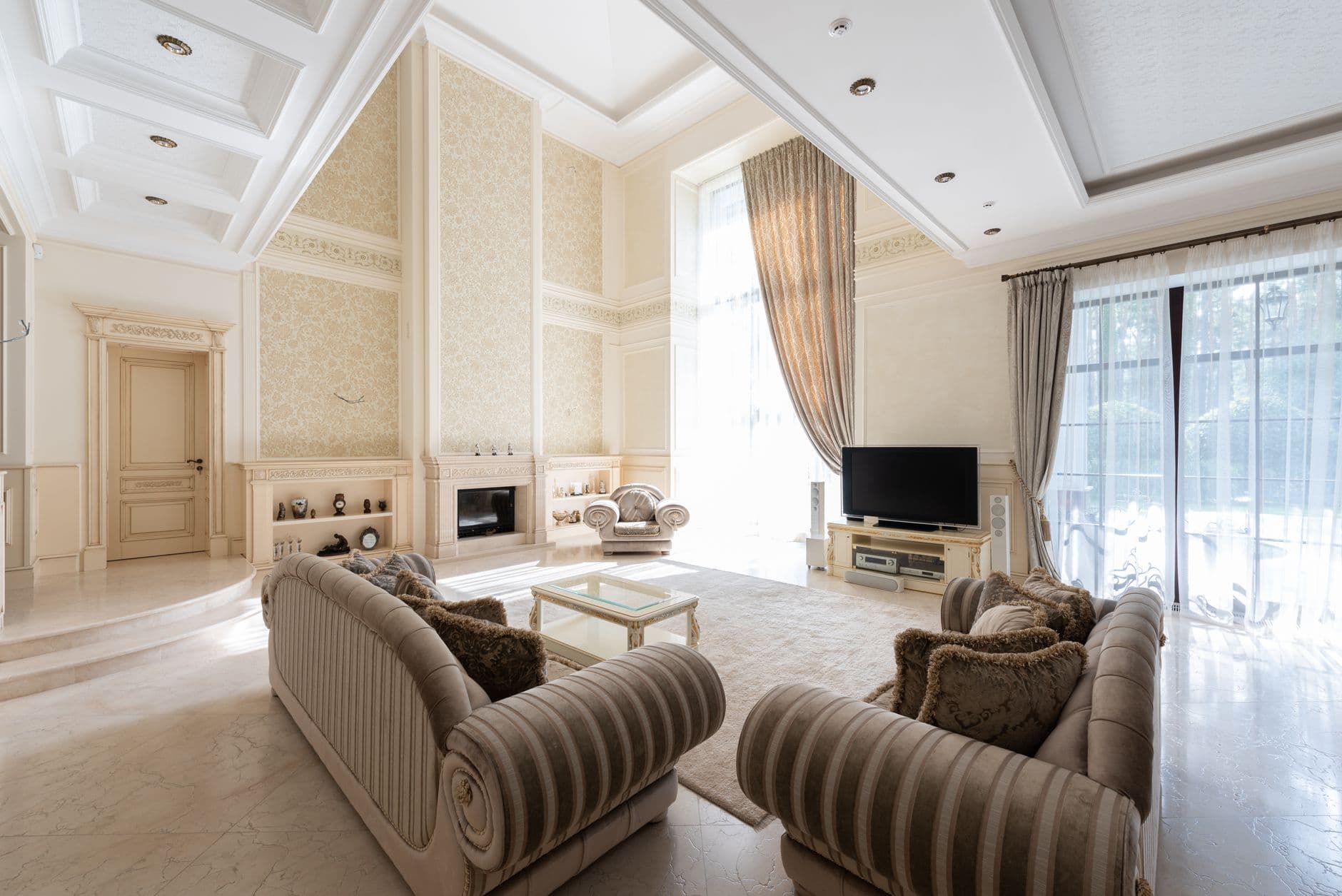
Curtains are doing more work in 2026 than they have in years, largely because a brown room needs fabric with enough weight to hold the palette together. Heavyweight linen or a linen-wool blend, around 300 to 400 grams per square metre, drapes with proper fold rather than clinging flat, and it takes clay, rust and deep umber shades better than cotton does. Hang them floor to ceiling, ideally from a track just below the cornice rather than the top of the window, since height reads as intention rather than an afterthought. Wave pleat headings suit the calmer, minimalist end of this trend; pinch pleat suits rooms leaning more traditional. If the room faces west or gets strong afternoon sun, ask for interlining rather than a basic blackout lining, since it adds body and stops the fabric looking thin against the light.
What Comes After Brown
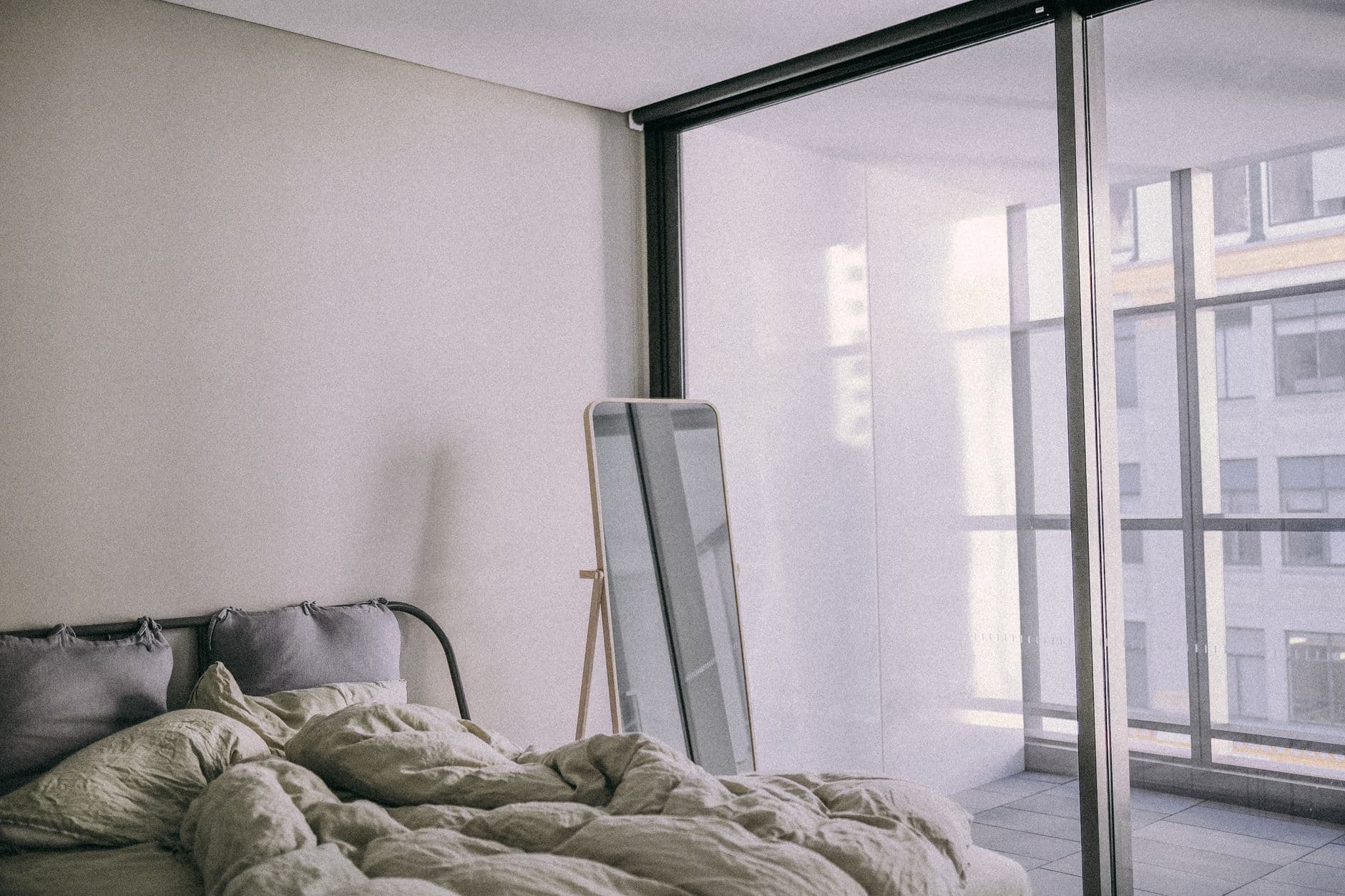
Brown is the base note for 2026, but the current decorating trends sitting alongside it are worth knowing before you commit a whole room. Sculptural, single-shade lighting is replacing multi-arm fittings, so a single alabaster or amber glass pendant now does the work three spotlights used to. Low, wide seating is back, sofas sitting closer to 38cm off the floor rather than 45cm, paired with a single substantial coffee table instead of a nest of three. The next shift already visible in showrooms is a move toward warm, saturated accent colours, rust, ochre and deep green, layered on top of the brown base rather than replacing it. That is the direction to watch for 2027, so leave a wall or a run of cushions unresolved rather than finishing the room in brown alone.
What to Look For
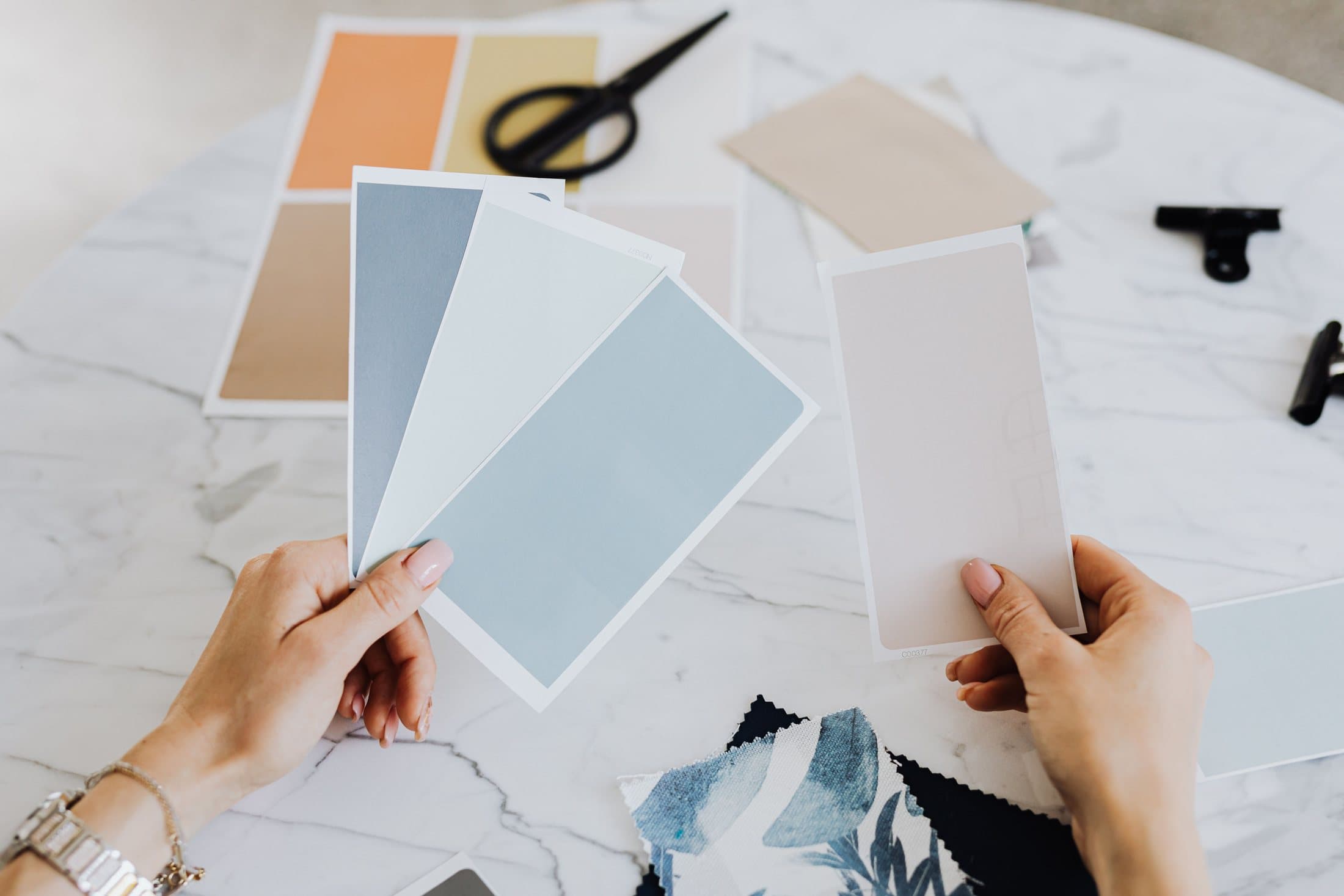
Start with the sofa, since it sets the depth of brown everywhere else follows. A boucle or brushed cotton velvet in tobacco or chestnut, at least 45,000 double rubs for durability, will outlast a flat-woven linen in the same shade. For curtains, look for linen-wool blends over 300 grams per square metre, and confirm the lining is interlined rather than simply blackout. Choose solid walnut or ash over veneer for coffee tables, since brown furniture shows grain and edge wear more than pale wood does. Rugs should be wool or a wool-jute mix in undyed cream or oatmeal, not brown itself, to keep the floor from flattening the room. Save brass and bronze fittings for handles and lamp bases rather than large fixtures, where a little goes further.
Considering a brown living-room anchor piece?
LoomLan currently carries brown living-room furniture, including sofas, coffee tables and storage pieces. The tracked link opens LoomLan, and Vestados may earn a commission if you buy through it; verify overall and seat dimensions, seat height and depth, frame and upholstery materials, fabric durability and care, wood species and whether a surface is solid wood or veneer, finish, stock, doorway and elevator access, delivery method and the current return terms before ordering. If you choose a clearance item, LoomLan states that clearance sales are final.